Disaster Resilience Awareness Month
Each March, Equal Justice Works leads Disaster Resilience Awareness Month (DRAM) in partnership with organizations across the country to raise awareness, share expertise, and strengthen disaster resilience nationwide. Below, you’ll find curated resources and guidance from experts on the front lines—with additional content added throughout the month.
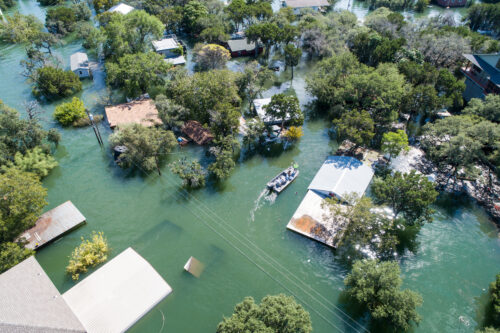
Disaster resilience goes beyond preparedness. It builds the systems, partnerships, and legal protections communities need to withstand, navigate, and recover from disasters—before, during, and long after an event occurs.
Explore resources including a Disaster Law 101 explainer, the National Disaster Attorney Guidebook, preparedness tools, webinars, and more.
Disaster Law 101
Building Disaster Resilience: Guidance from the Front Line
Webinar Recording: Foundations of Disaster Law
How Fellows Are Building Disaster Resilience in Lahaina
Strengthening Local Impact: Best Practices and Challenges in Disaster Legal Services Outreach
Advocating for Legislative Reform to Improve Disaster Recovery: Lessons from Maui
Representing Immigrants Affected by Natural Disasters
Advocates for Disaster Justice
Legal Advocacy in the Wake of Disaster: 20 Years Since Katrina
State of Disaster Philanthropy 2025
Heartland Disaster Help: See Disaster Risks in Your Area
Legal Aid Disaster Resource Center
March 15-17, 2027
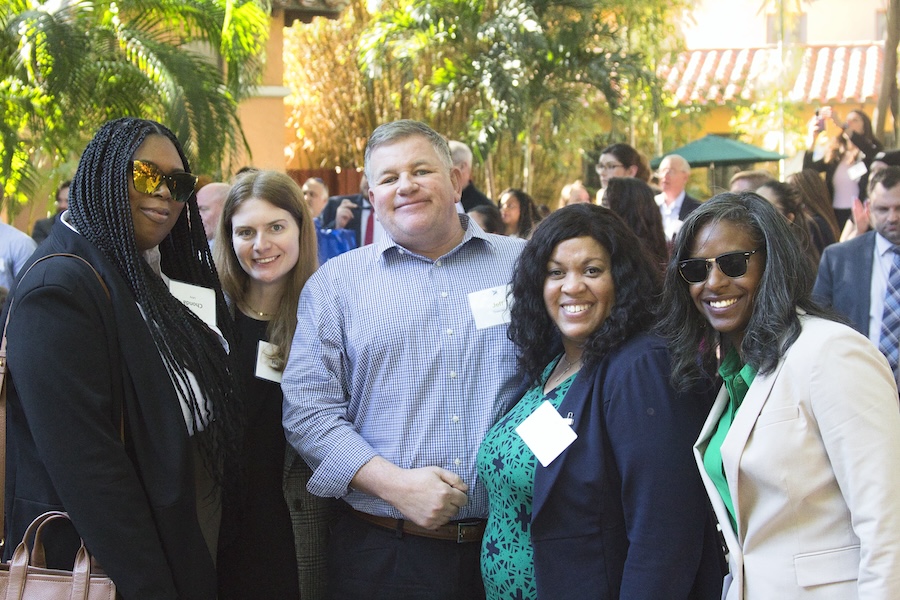
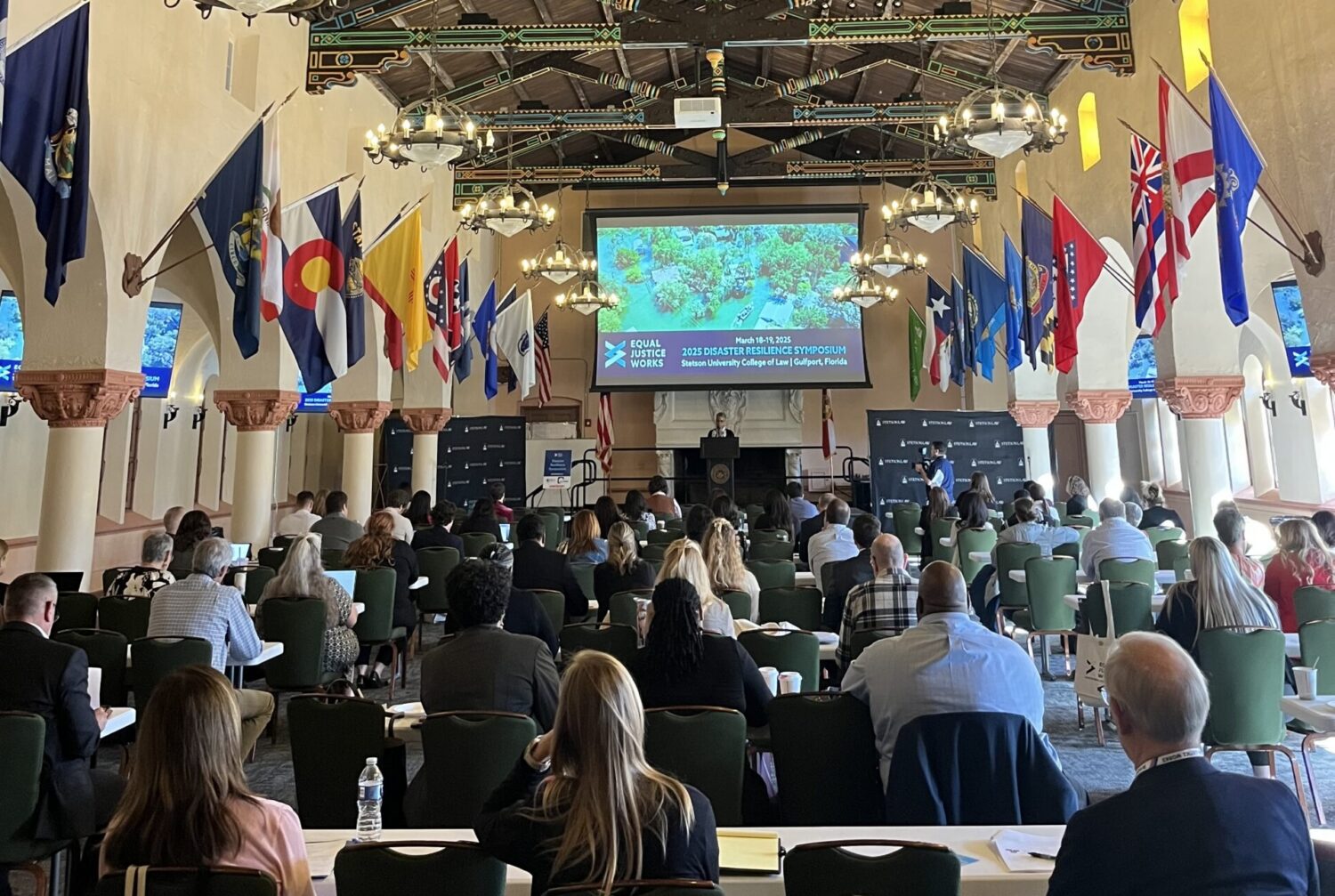
Save the Date: 2027 Disaster Resilience Symposium
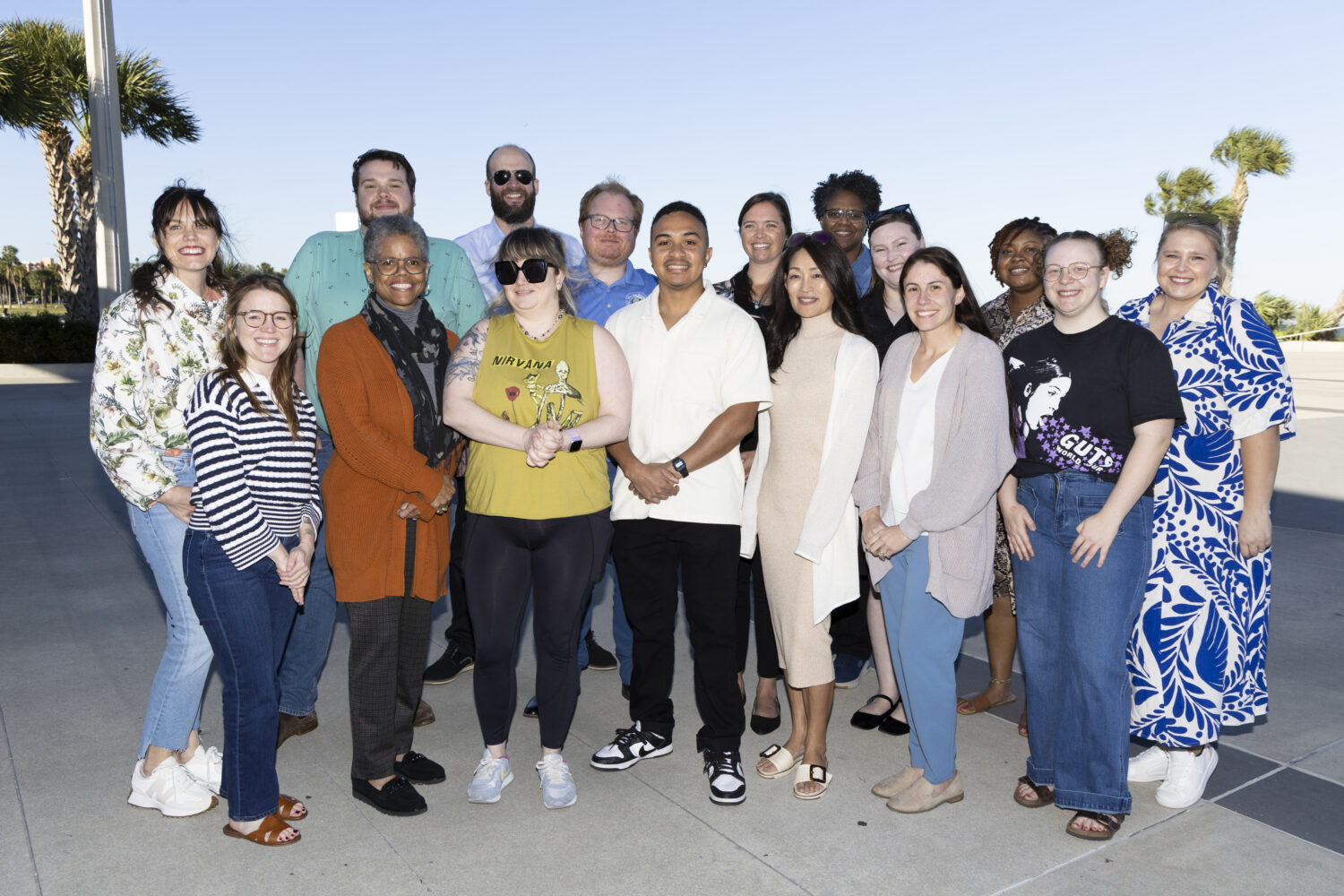
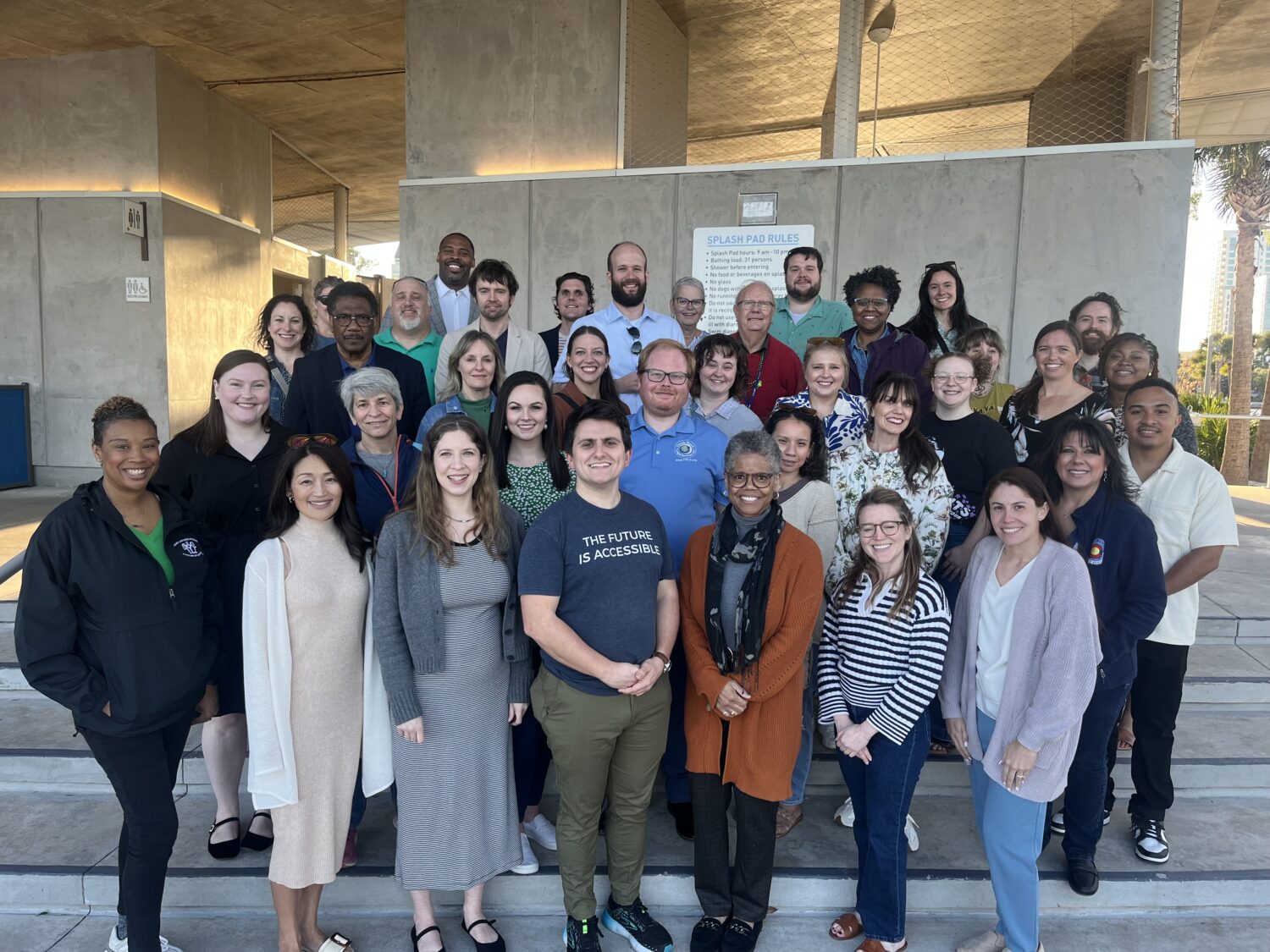
Strong disaster resilience is built through networks, collaboration, and shared learning. The Disaster Resilience Symposium brings together attorneys, emergency managers, policymakers, and community leaders working to strengthen disaster preparedness and recovery. Click here to watch some of the informative sessions from our 2025 Disaster Resilience Symposium. Planning for our 2027 Symposium is already underway!
Mark your calendars for March 15-17, 2027 at the Stetson University College of Law in Gulfport, FL. Sign up below to receive updates about registration and programming.
Meet Our Partners



ABA Standing Committee on Disaster Response and Preparedness and ABA Young Lawyers Division (ABA YLD) Disaster Legal Services Program
“Given the current measures to restructure our national disaster response framework, including emergency management workforce reductions and the elimination of risk mitigation programs, it is our responsibility as a legal community to closely monitor these decisions and assess their impact on our communities so that we can build legal systems that can respond swiftly, equitably, and compassionately when communities face a crisis.”
American Red Cross
“In a world of increasing repeat impact or multiple impacts, disaster resilience is incredibly important and something we as the Red Cross address at every phase of the disaster cycle. Partnering with organizations such as Equal Justice Works helps build capacity in local communities, ensuring community-driven legal networks are able to evolve alongside disaster risk.”
Center for Disaster Philanthropy
“With the growing frequency and intensity of disasters, investing in resilience is more critical than ever. CDP’s State of Disaster Philanthropy report found that only 6% of philanthropic disaster giving in 2023 went toward disaster resilience, risk reduction and mitigation. CDP is proud to support Disaster Resilience Awareness Month to highlight the need to increase philanthropic investment in building resilience, especially among marginalized communities.”
Danaher
“Disaster resilience is critical for our shared future. At the Danaher Foundation, we invest in resilience to strengthen the capacity of communities to withstand and recover from disasters. We support humanitarian response efforts that reduce human and economic harm and support recovery.”
Legal Services Corporation
“Disaster resilience is not an attitude, but a process of intentional collaboration between community service providers before, during and after disaster strikes. Many disaster-related issues have complicated legal components that people cannot navigate on their own, like insurance denials and replacing destroyed documents. Legal services are a crucial part of the equation in helping people recover.”
National Voluntary Organizations Active in Disaster
“Through prioritizing resilience, National VOAD and our members help ensure that collaboration before disasters strikes leads to more coordinated response efforts and faster, more equitable recovery outcomes nationwide.”
Practising Law Institute
“Legal assistance is critical in the wake of disasters. PLI’s pro bono-focused programs prepare attorneys to help people and communities when they need it most.”
Pro Bono Net
“How we collectively prepare for disasters, including the legal support, expertise, and collaborative efforts we put in place, can help ensure that all survivors have the opportunity to return home, regain stability, and see their communities rebuilt and reinvested in.”