Helping Communities Prepare for and Respond to Disasters
By Linda Anderson Stanley, senior project manager at Equal Justice Works and director of the ABA YLD Disaster Legal Services program
Over the past decade, disasters have become increasingly frequent and devastating—to the point where numerous deadly disasters in a year is now considered “the new normal.” Last year was no exception. 2019 was the seventh year in the past decade with 10 or more disasters surpassing $1 billion in damages. As the rate and intensity of disasters continue to rise, so too do the legal needs of disaster survivors.
Although disasters do not tend to discriminate in terms of where or how they strike, recovery efforts are discriminatory. Those residing in low-income communities suffer disproportionately from the effects of disasters and are also least likely to have access to an attorney. Often, people think of food, water, and shelter as the primary needs after a disaster, but that is far from the only reality. Low-income individuals have to contend with other challenges like obtaining employment and accessing benefits. Disasters only compound these issues and often create new poverty. Lawyers play a critical role in assisting individuals with preparing for and recovering from disasters.
What happens when disaster strikes during a pandemic? The unprecedented crisis of COVID-19 has heightened the uncertainty and disparity for marginalized communities while creating unique and compounding legal issues.
Equal Justice Works recognizes the continued need for qualified attorneys committed to working in low-income communities to prepare for and respond to the unique challenges arising from all types of disasters. In response to this need, Equal Justice Works created the Disaster Resilience Program. The Disaster Resilience Program mobilizes Fellows to provide free civil legal aid in disaster-prone areas to ensure vital legal services are accessible to rebuild lives, stabilize communities, and create resilience.
Building Upon Internal Expertise
In 2018, Equal Justice Works mobilized 23 Fellows to deliver critical legal assistance to disaster-affected communities in Florida and Texas through its Disaster Recovery Legal Corps (DRLC). Not only has the DRLC increased access to justice in communities, it has also increased the capacity of legal services organizations to serve disaster survivors. In just two years, the DRLC more than doubled its program goals by providing legal information to over 24,000 individuals, legal assistance to more than 6,000 individuals, and over $3 million in economic benefits.
Equal Justice Works has a long-standing reputation in the disaster recovery field. The Disaster Resilience Program will continue to build upon the successes and expertise gleaned from our award winning DRLC program, while broadening our services based on lessons learned from prior disaster work. These prior programs were responsive to disasters, but we have since learned the importance of addressing the full continuum of needs. The Disaster Resilience Program promotes collaboration and partnership development, ensures flexibility to respond to various disasters as they occur, and incorporates preparation to effectively reduce social vulnerabilities and build more disaster-resilient communities.
Collaboration within the Disaster Legal Community
The gap in disaster-response is more significant when there is a lack of collaboration of resources and partnerships. Fellows in the Disaster Resilience Program will have the opportunity to build relationships with other legal partners and pro bono attorneys; the public; potential clients; and non-legal partners such as local emergency management agencies, faith-based partners, and social service organizations that disaster survivors often turn to first.
Fellows will also share their expertise and experiences to support legal services organizations and their clients at a national level. They will serve as short-term, on-the-ground experts as needed, when crises arise in other parts of the country.
Overall Goals for the Disaster Resilience Program
According to experts, natural hazards only become disasters in the first place because of society’s lack of preparation. Preparedness leads to resiliency which leads to a quicker and more just recovery. Our Fellows will assist their host organizations in much-needed disaster recovery efforts while also helping to build more prepared—and therefore more resilient—communities.
The flexibility of our new model will also give Fellows the ability to respond to and recover from smaller disasters that have not risen to the level of a Federal Declaration. Everyone hears about the big events—like Hurricanes Harvey, Irma, and Maria—but not everyone hears about the apartment building burning down in the middle of winter in Minnesota. These individuals need a lawyer too.
Unfortunately, disasters will continue to occur, and survivors will always need an attorney to assist them in stabilizing their lives to return to some sense of normalcy. Our model of equipping Fellows to focus not only on disaster response and recovery but also mitigation and preparedness will allow us to continue building a strong pipeline of attorneys throughout legal services organizations ready to help communities prepare and recover from all types of disasters.
Last week, the U.S. Supreme Court released its decision in June Medical Services, L.L.C. v. Russo, one of several high-profile cases this term. The Court ruled that a Louisiana law requiring abortion providers to have admitting privileges at a local hospital places an undue burden on a woman’s constitutional right to seek an abortion.
Clara Spera, a 2019 Fellow hosted by the American Civil Liberties Union Reproductive Freedom Project, works on protecting and expanding access to reproductive care, particularly for low-income women. Through her Fellowship, she addresses some of the new legal and practical questions raised as women increasingly must travel out of state to get an abortion. Here’s what she had to say about the ruling:
“The ruling in June Medical is an important victory for the people of Louisiana, who would have seen access to abortion care gutted in their state had the law at issue not been struck down. But the case also demonstrates that the right to abortion is far from secure. What should have been an easy case—the Supreme Court decided the same issue four years ago in Whole Woman’s Health—came down to a 5-4 split. Moreover, the Chief Justice’s concurrence signals that he will be willing to uphold abortion restrictions in the future and further opens the door for states to continue to chip away at the constitutional right to an abortion. I have no doubt that states will take up that charge, but I also know that organizations like the ACLU Reproductive Freedom Project, the Center for Reproductive Rights, who argued this case, and others will be on the front lines, ready to fight back. I feel very proud and privileged that my Equal Justice Works Fellowship allows me to work alongside incredible lawyers dedicated to ensuring that reproductive rights are protected.”
Clara Spera’s Fellowship is supported by an anonymous sponsor. To learn more about her work, visit her Fellow profile here.
By Ross Brockway, 2018 Equal Justice Works Fellow hosted by the Georgia Justice Project. Ross’s Fellowship is supported by FordHarrison LLP and Greenberg Traurig, LLP.

Imagine you’re one of my clients: You’ve been ordered by a court to pay almost $10,000, some of which is child support debt but much of which consists of attorney fees owed to the private lawyer that brought a contempt-of-court action against you. You have a hearing on that contempt action in a week, and if you don’t pay the court-ordered amount by then, the judge has declared that you will be arrested and jailed indefinitely. Unfortunately, you don’t have anywhere near $10,000, and neither does your family. You’ve fallen behind on child support payments after getting injured and losing a part-time job. And, now, you’ve been laid off from your second part-time job due to COVID-19. You’re gripped by fear and asking yourself: Am I going to be locked in jail just because I’m poor?
While it’s critical that children get adequate amounts of financial support to meet their needs, many courts set child support orders without serious consideration of parents’ employment barriers or disabilities. Therefore, child support is often far beyond a low-income parent’s ability to pay.
In Georgia, laws have been enacted that mandate and coerce child support payments without exception and by any means necessary, including driver’s license suspension and jail. Courts rarely consider how physical and economic punishments might affect a parent’s ability to provide long-term financial, emotional, and psychological support.
When the coronavirus crisis hit, the federal government decided to provide emergency assistance to help individuals and families navigate lay-offs, income loss, housing payments, and student loan debt. But what did policymakers make the one major exception to eligibility for stimulus relief under the CARES Act? Past-due child support debt.
The people most in need of support during COVID-19 are poor and marginalized individuals—those with unstable employment, criminal records, disabilities, and health concerns—and so parents in these situations will especially suffer from COVID relief being withheld from them. But just as wrong and even more frustrating: this withholding will drastically harm low-income children.
Helping a parent sustain housing, nutrition, and the ability to work puts them in a better position to pay child support and be a more engaged parent. Conversely, taking away a parent’s health, housing, livelihood, and ability to recover from COVID-19—both the disease and economic pain—deprives that parent’s children of what they need. We know instability pushes people deeper into poverty, and that financial penalties and incarceration reduce peoples’ ability to climb out of poverty. In a time of unprecedented economic and public health instability, it doesn’t make sense to bring more uncertainty to struggling parents and children.
Taking away a parent's health, housing, livelihood, and ability to recover from COVID-19—both the disease and economic pain—deprives that parent's children of what they need.
Ross Brockway /
Equal Justice Works Fellow
At my host organization, the Georgia Justice Project, I advocate for clients facing child support debt punishments, including contempt actions and driver’s license suspensions. We also assist parents with modification petitions, legal actions that seek to make child support amounts account for loss of employment, disability, or other involuntary drop in income.
Unfortunately, pandemic closures and court delays have made these efforts slower and more complicated than usual. Beyond that, the vast majority of low-income parents have no access to legal representation, so overcoming child support debt and debt punishments can seem impossible.
For people like my clients, and countless other low-income parents who owe child support, the COVID-19 crisis has created an increasingly threatening, seemingly inescapable situation.
Debt doesn’t forgive (nor can it be forgiven in Georgia). And debt punishments—even if temporarily halted—will be waiting for them when courts and government processes begin again.
Ultimately, what is desperately needed to help families heal and achieve long-term stability is policy change. And that will require us all to reshape and deepen our thinking about child support.
To learn more about Ross’s Fellowship project, visit his profile.
Debt doesn't forgive (nor can it be forgiven in Georgia).
Ross Brockway /
Equal Justice Works Fellow
By Walter Jean-Jacques, a recent graduate of the University of Notre Dame Law School and a member of the Equal Justice Works Board of Directors. Walter will join the NAACP Legal Defense Fund as a Notre Dame Public Interest Law Fellow in September 2020.
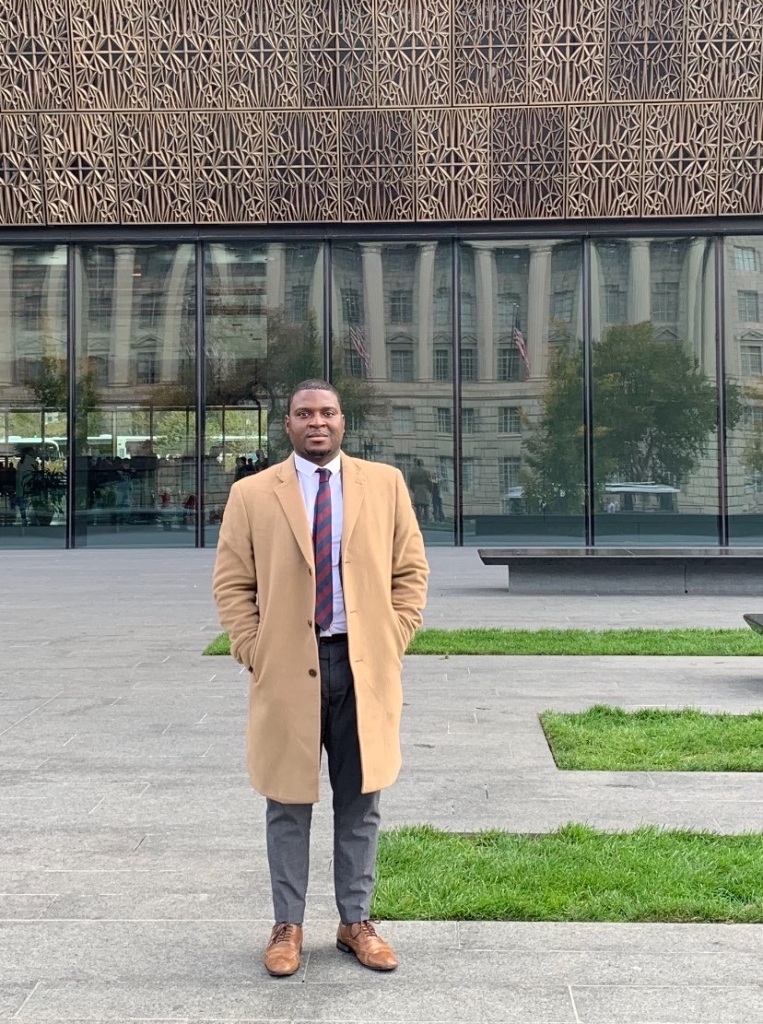
As a young Black man entering the law field, these past few weeks have been filled with a variety of emotions. I have grown up in a police state all my life.
When I was born in Newark, New Jersey, in 1992, my hometown was deemed the auto-theft capital of the world. Young Black men and women from Newark already carried a stigma just by the color of their skin and the generalization given to the nature of our city. Unfortunately, this stigma has followed me since my parents carried me out of the hospital. For example, when I tell people that I am from Newark, they tend to look at me with disgust, as if my existence equates to a nature of inferiority. When I watched the video of George Floyd’s murder, I was struck with heavy emotion. It reminded me that Mr. Floyd was seen as being inferior simply because he was Black. It reminded me of the inferiority Breonna Taylor experienced as she was murdered in her own home.
I have felt a sense of hopelessness, but also a sense of empowerment. I am excited to be a Black attorney working for the NAACP Legal Defense Fund and focusing on racial justice litigation. Now, more than ever, people are educating themselves on the economic, political, educational, and criminal inequities that many African Americans continue to face in our society. We must continue to march, protest, and speak up against racial injustice, and be inspired as lawyers to take up a career focused on fighting for civil rights and combating inequities of all kinds.
Additionally, as a Black man on the Equal Justice Works Board of Directors, I promise to continue to advocate on behalf of law students and lawyers who are passionate about serving their communities and committed to addressing critical Issues affecting equal access to justice. We are all crucial members in the movement for racial justice, and we need to understand how vital our roles are as leaders of change. I encourage you to not only say “Black Lives Matter,” but embody this mentality with every facet of your legal career. We are the leaders of this generation and we must continue fighting for Black Lives, so that Black children from cities like Newark, have advocates who will be relentless in ensuring that their lives are not inferior.
By Tracie Johnson, 2018 Equal Justice Works Fellow sponsored by Greenberg Traurig, LLP

As a Black woman, born and raised in a working class Black neighborhood with a heavy police presence, today’s current events are upsetting but unsurprising.
My beloved family members and neighbors have experienced instances of racial profiling, police harassment, and brutality. I still remember the day the police came to my parents’ home and detained my brother. They placed him stomach-down on the ground because they assumed he was a local drug dealer. He was not. I remember crying because I did not know if my brother was going to be yet another avoidable tragedy taken from me right before my eyes. Ultimately, he was let go but the haunting memory remains.
As much as it saddens me to share this story, it is important because with or without media coverage, the list of Black men, women, and children who are unjustifiably killed by the police grows. This lone fact is at the belly of the outcry for America to value Black lives.
As an Equal Justice Works Fellow sponsored by Greenberg Traurig, LLP, I work to help women and girls of color with criminal records overcome barriers to employment. Although women are the fastest-growing population to have criminal justice contact, the traditional criminal system and reentry space have yet to catch up to this fact, leaving women’s unique needs unmet. As such, I am struck by the fact that the officers who killed Breonna Taylor have yet to be charged. I am struck that the hashtag #SayHerName exists because the names of Black women killed by the police are missing from the larger conversation around police violence. I am struck that the murder of trans men and women at the hands of the police barely makes honorable mention in the conversation.
This is an issue that plagues the entire black community. The majority of my clients seeking record-clearing support come from communities just like mine where the over-policing of poor Black neighborhoods leads to disproportionate criminal justice contact. We know that Black Americans are more likely to be stopped, arrested, charged, convicted, and sentenced than their white counterparts despite being no more likely to commit crimes. The criminal histories attached to this criminal system contact impacts access to employment, housing, education, assessing loans, and more. In recognition of this racial justice impact, I, along with other legal advocates in the Employment Unit at Community Legal Services, work hard to clear records, advocate with employers, and effect key policy changes.
Right now, many people are hoping to return to normal. Unfortunately, normal for Black people in America means another name, added to an already too long list of lives taken too soon. We cannot return to normal. The protest in the streets are a plea to build something better. I stand with that.
To learn more information about Tracie’s Fellowship project, visit her Fellow profile.
By Kerry Stotler, Fellowships program manager at Equal Justice Works
An Equal Justice Works Design-Your-Own Fellowship presents a one-of-a-kind opportunity to create your dream job. This Fellowship opportunity allows you to leverage your law degree in service of a community or cause of your choice. Interested in joining this incredible program? Here’s what you need to know about applying for a Fellowship.
How can an Equal Justice Works Design-Your-Own Fellowship jumpstart my legal career?
85% of Equal Justice Works Fellows remain in public service positions and continue to pursue equal justice for underserved communities across the country following their Fellowships. Fellow alums like Casey Trupin have started organizations that now host Equal Justice Works Fellows, while others like Cynthia Cornelius and Michael Pope now serve in leadership positions at the organizations where they were hosted as Fellows.
Who is eligible?
Our Design-Your-Own Fellowship is open to individuals who have graduated from an Equal Justice Works Member Law School before September 2021 with a J.D. or LL.M. Applicants may not have held a full time (more than 30 hours/week), permanent, public interest lawyer position, though applicants coming from bridge/gap fellowships or clerkships are eligible. For more specifics about eligibility requirements, check out page 5 of our applicant guide.
What type of training do Equal Justice Works Design-Your-Own Fellows receive?
Each fall, Equal Justice Works provides Fellows with three days of Leadership Development Training with experts in the field. The training equips Fellows with necessary practical leadership and management skills to help them succeed in their Fellowships and beyond. For more information on the Leadership Development Training, click here.
Throughout the two-year program, Equal Justice Works also provides Fellows with tools, resources, and other assistance to support their work.
What type of work can I do during my Equal Justice Works Design-Your-Own Fellowship?
You get to decide what type of work best suits your project! Projects may include direct representation, legal education, legal training, community organizing, transactional work, policy work, litigation, administrative representation, or a combination of these strategies. For more information about eligible projects, check out page 5 of our applicant guide.
How do I submit a strong Design-Your-Own Fellowship application?
A project proposal should paint a picture of a particular problem you want to solve in the specific community you wish to serve. Standout applications weave in data, client stories, and personal narratives to humanize the potential impact of the project, while demonstrating a strong connection to the issue area and target community.
How will COVID-19 affect this year’s Fellowship applications?
We know that many candidates and host organizations may have questions about how the current COVID-19 pandemic may impact the Equal Justice Works Fellowship program and application process. At this point, we are cautiously optimistic that the timeline of our application process will not be affected.
We do not yet know what, if any, impact we might see on the number of Fellows we can select in the 2021 class, but we feel strongly that our program is uniquely suited to navigate this challenge successfully. We are continually evaluating the ever-evolving situation and will post any updates as soon as possible.
Are you ready to apply?
The application is divided into three distinct expository sections: the project description, candidate background, and host organization background. Additionally, applicants will also need to provide a personal statement, résumé, three professional references, and two letters of recommendation. For more information about the application process, review page 14 of our applicant guide.
Be sure to submit your application online before the deadline on September 17, 2020 at 8:00 p.m. ET. For more information about the Design-Your-Own Fellowship, check out our website.
By Mitchell D. Brown, 2019 Equal Justice Works Fellow hosted by the Southern Coalition for Social Justice. Mitchell’s Fellowship is supported by The Ottinger Foundation.

What we are seeing around the country is nothing new—sadly, it is rooted in the fabric of American society. Since the founding of this country, Black people’s voices have been silenced and marginalized either by violence or by the law. Racial terror has haunted Black lives since we first set foot in this country in chains, and many Black people, including myself, have had to deal with the vestiges of racism in its explicit and/or implicit forms.
I’m proud to see what is happening in this moment, specifically seeing the young people rise up and let their voices be heard. As a former teacher, I sought to instill in my students that they have a voice and that they should feel empowered to express their voices. That same intent is present in my current work as a voting rights attorney, where each day I fight for the rights of people to let their voices be heard in our democratic society. I fight for the voices of the disabled, the disenfranchised, and the disparaged to be elevated through the ballot box. My work is dedicated to the racial justice warriors who have come before me, the racial justice warriors who work beside me, and the racial justice warriors to come. But, until America is willing to reckon with its original sin, slavery, we will have to do the same work time and time again. Without this country’s acknowledgement of the ugly truth of racism, there cannot be reconciliation.
The work of racial justice is difficult work, but it is rewarding work because I know that I am fighting for a purpose. I think the biggest tool that I often use is talking with others who are doing the work of racial justice and voting rights, and gaining their perspective regarding how to frame and execute our work. We are in the throes of the COVID-19 pandemic, while also in the middle of an epidemic called racism. What we are seeing in the voting rights context is that many states are creating situations in which people have to choose between their health and their right to vote. This is exacerbated in Black communities where Black people are disproportionately affected by COVID-19, but also are disproportionately the target of voter suppression tactics that have abounded for years. This situation can lead to the virtual disenfranchisement of large swaths of Black communities in many states. Yet, what I am seeing, and what I believe, is that Black people are strong, resilient, and perseverant. We will fight to make our voices be heard. We have survived slavery, Jim Crow, mass incarceration, and myriad issues that had, and still have as its target, Black bodies. We will survive this as well; it is just sad that it has cost so many Black bodies along this journey of grappling with the scourge of racism in our society.
My final words are this: the Black Lives Matter movement should not become stagnant. We must keep the pressure on those who tell us that our lives do not matter. However, Black people cannot do it alone; we are tired of fighting the same battles day in and day out without any acknowledgement of our humanity. It is time for our society to come to its senses, fight alongside Black people, and realize that our country is in grave danger because we fail to recognize the humanity of our Black neighbors. We must come together and keep protesting, keep voting, keep educating and advocating, and keep pushing this movement forward, “for a people united shall never be defeated!”
To learn more about Mitchell D. Brown’s Equal Justice Works Fellowship, visit his Fellow profile.
By Lauren Wright, Equal Justice Works brand manager
On May 12, we announced the 78 new Fellows in our 2020 class, who will launch their public interest careers through an Equal Justice Works Fellowship. In honor of Pride month, we spoke with 2020 Equal Justice Works Fellows Victoria Jeon, Gabriella Larios, and Arielle Wisbaum about the LGBTQ+ rights-focused projects they will begin this fall.

At the National Queer Asian Pacific Islander Alliance (NQAPIA), Victoria Jeon will promote intersectional legal rights for LGBTQ+ Asian American and Pacific Islanders (API). An LGBTQ+ Korean immigrant herself, Victoria notes that LGBTQ+ APIs are often overlooked in both their respective communities and the LGBTQ+ community at large, leaving a significant gap in legal services for these populations.
“What I am fighting for is written in my face and identity. I want to be an advocate for my own intersectional community and make a difference on their behalf,” Victoria said. The issues her project will address include immigration law, family law, criminal law, and more. By blending law, advocacy, and community organizing, Victoria’s project aims for a stronger communal infrastructure for the LGBTQ+ API community. Through this work, Victoria hopes not only for a stronger LGBTQ+ API community, but for a greater awareness and inclusion of LGBTQ+ API individuals and racial diversity in the greater LGBTQ+ community.

As a Fellow at the New York Civil Liberties Union, Gabriella Larios will engage in policy advocacy, public education, outreach, and litigation to challenge the use of religion to discriminate against individuals seeking reproductive healthcare and LGBTQ+ New Yorkers. Gabriella points to an uptick in mergers between secular and religious hospitals as a driving force behind her project, noting that religion has been weaponized to deny access to health care and services related to reproductive and LGBTQ+ care. Additionally, “health care providers have been emboldened by the federal government’s recent attacks on reproductive rights and the LGBTQ+ community, often hiding behind the cloak of religion,” Gabriella said. Her project will lay the foundation to strengthen protections on the state and local level.
“This fight is personal for me,” said Gabriella. “As a lesbian Latinx woman, I am deeply committed to advocating on behalf of my communities while empathizing with and uplifting the stories of all people who have been denied care because of their identity.”

At New York Lawyers for the Public Interest, Arielle Wisbaum will provide holistic advocacy for transgender, gender non-conforming, intersex (TGNCI), and HIV+ immigrant New Yorkers to access healthcare, including gender-affirming procedures. Noting the double marginalization of citizenship status and gender identity, Arielle will take a holistic approach that considers immigration status, profiling, and harassment while addressing her client’s pressing medical needs.
“Serving this community and graduating from law school is a privilege that I will not take lightly,” said Arielle. COVID-19 has drawn out the existing structural barriers and state violence that TGNCI and immigrant communities face. ICE and the police continue to arrest and harass TGNCI and immigrant New Yorkers—placing them in detention centers where the virus is spreading and exacerbating healthcare neglect on the inside. For those detained and living with HIV, treatment is inconsistent at best. Organizers, activists, and resilient TGNCI community members are the backbone of this work. My intention through my Fellowship at NYLPI is to be there when state violence and barriers to healthcare get in the way of their power.”
Interested in supporting the LGBTQ+ community as an Equal Justice Works Fellow? Visit here to learn more and apply for the Fellowship class of 2021.
What I am fighting for is written in my face and identity. I want to be an advocate for my own intersectional community and make a difference on their behalf.
Victoria Jeon /
Equal Justice Works Fellow
Dear Colleagues,
On Friday we celebrate Juneteenth, our nation’s second Independence Day. I know many of you recognize the significance of this day, but for those who may be less familiar, I encourage you to read and learn more about this day in our history. I found this overview from the National Museum of African American History and Culture to be a helpful starting point.
This is a day we have not observed as a formal paid holiday in past years at Equal Justice Works and that was a mistake. As I continue my own work and learning, I regret my lack of action and pledge Equal Justice Works from this year forward will acknowledge this day by closing the office. I encourage you to use this time thoughtfully. Consider spending the day participating in one of the many events commemorating this day occurring around us, or advocating for policy change you believe will help our country fulfill its promise of equal justice for all.
I am encouraged and inspired to experience the dialog happening here at Equal Justice Works, the commitment to anti-racism, and the sharing of resources to learn from one another.
There is more to be done, but I am proud of the work we are doing.
David
By Lauren Wright, Equal Justice Works brand manager
Every community has been affected by the coronavirus pandemic and resulting shutdown. The impacts, however, have not been equally felt—populations like the LGBTQ+ community, which already face myriad systemic healthcare and economic challenges, are experiencing an entirely new intersection of barriers. We checked in with Fellows throughout the country to learn more about the legal issues their LGBTQ+ clients are facing as a result of the pandemic.
Employment
According to the Human Rights Campaign Foundation, LGBTQ+ individuals are more likely to work in jobs highly affected by the coronavirus pandemic. Making up roughly 40% of all industries where LGBTQ+ Americans work, (compared to only 22% of non-LGBTQ+ individuals) the top five industries to employ LGBTQ+ people are food services, hospitals, K-12 education, collegiate education, and retail. As the pandemic forces “unessential” businesses, like bars and restaurants, to shutter—and creates an invisible minefield of disease in those that remain open—a disproportionate number of LGBTQ+ workers are finding themselves at either financial or physical risk.

At Whitman-Walker Health in Washington, D.C., 2018 Fellow Elizabeth Pinolini is working to reduce employment barriers for transgender and gender non-conforming individuals—communities whose unemployment rates were already three times higher than the national average prior to the pandemic. As of May 2020, the overall U.S. unemployment rate has hit 13.3%, a slight improvement over the April 2020 numbers—14.7%, the highest since the Great Depression.
Right now, stunted administrative services are exacerbating barriers that have long existed for transgender and non-binary individuals: “Access to employment is always a concern for transgender and non-binary people, but the ability to obtain identity documents that accurately reflect their name and gender has become even more difficult,” said Elizabeth, who uses they/them pronouns.
The closure of courts and DMV offices means that many people are unable to change their names or update their licenses to accurately reflect their name and gender. “This makes it more difficult to obtain a job because inaccurate identification exposes these populations to discrimination. We are making every effort to find creative solutions to these obstacles,” they explained.
Access to Resources
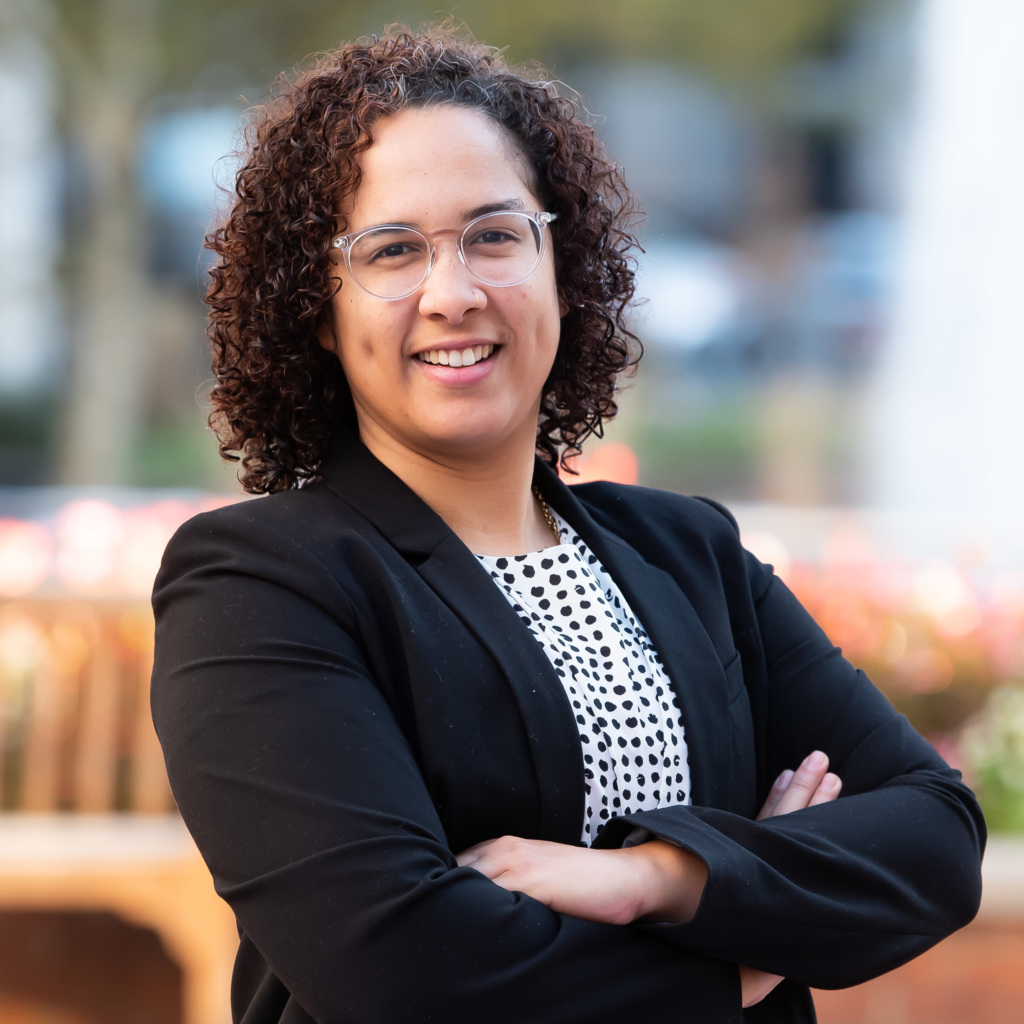
Adding insult to injury amidst a global health crisis, unemployment, for many people, also means an abrupt end to health insurance and accessible healthcare. MK Anderson, a 2019 Fellow at the Atlanta Legal Aid Society, helps LGBTQ+ Georgians overcome legal barriers to federal and state assistance programs like Medicaid, Medicare, and the Supplemental Nutrition Assistance Program (SNAP). These services are crucial at a time when more Americans than ever are relying on the country’s social safety net.
“[LGBTQ+] folks are more likely to be food insecure and are more likely to be affected by COVID-19,” said MK, who uses they/them pronouns. “Moreover, [LGBTQ+] folks are more likely to have been laid off or have reduced work hours due to the pandemic,” they said, referencing Human Rights Campaign Foundation data. MK noted a variety of barriers to information and resources faced by their clients, from lack of access to internet or social media accounts—where many virtual trainings, including one recently led by MK*, are held—to closures of the physical offices of local agencies, where many of MK’s clients rely on longstanding relationships with their caseworkers.

Access to resources is also a concern for LGBTQ+ individuals in rural communities, who already tend to face significant barriers to culturally competent health services. At the Lavender Rights Project, 2018 Fellow Dusty Weber Lamay created the Trans Advocacy in Rural Places project, which works to solve the burdens placed upon rural transgender people to meet their own legal needs. Now, as entire rural communities struggle to keep up with healthcare demands using limited resources, Dusty has noticed a marked increase in the need for LGBTQ+ estate planning support, which ensures that clients have up-to-date and valid healthcare directives and estate documents. “Trans estate planning was one of my passions prior to the pandemic and I am grateful that these skills can be so helpful during this time,” he said.
Elderly Clients

2019 Fellow August Hieber’s clients are low-income LGBT** elders, many of whom have experienced lifetimes of discrimination and stigmatization, leading to heightened economic, social, and legal disparities compared to their non-LGBT peers. According to the American Psychological Association, studies estimate that there are more than 2.4 million LGBT elders in the United States, and that number is growing. Faced with a virus that is particularly dangerous for the elderly, August’s clients at The Center for Disability and Elder Law represent a significant population that is at an elevated risk of serious illness and death.
According to August, who uses they/them pronouns, LGBT elders are more likely to need estate planning tools to protect their unmarried partners and chosen family. Unfortunately, due to social isolation and technology barriers, “In the moment when LGBT elders are most likely to need estate planning support, the security offered by estate planning documents is even more unattainable,” they said.
Education
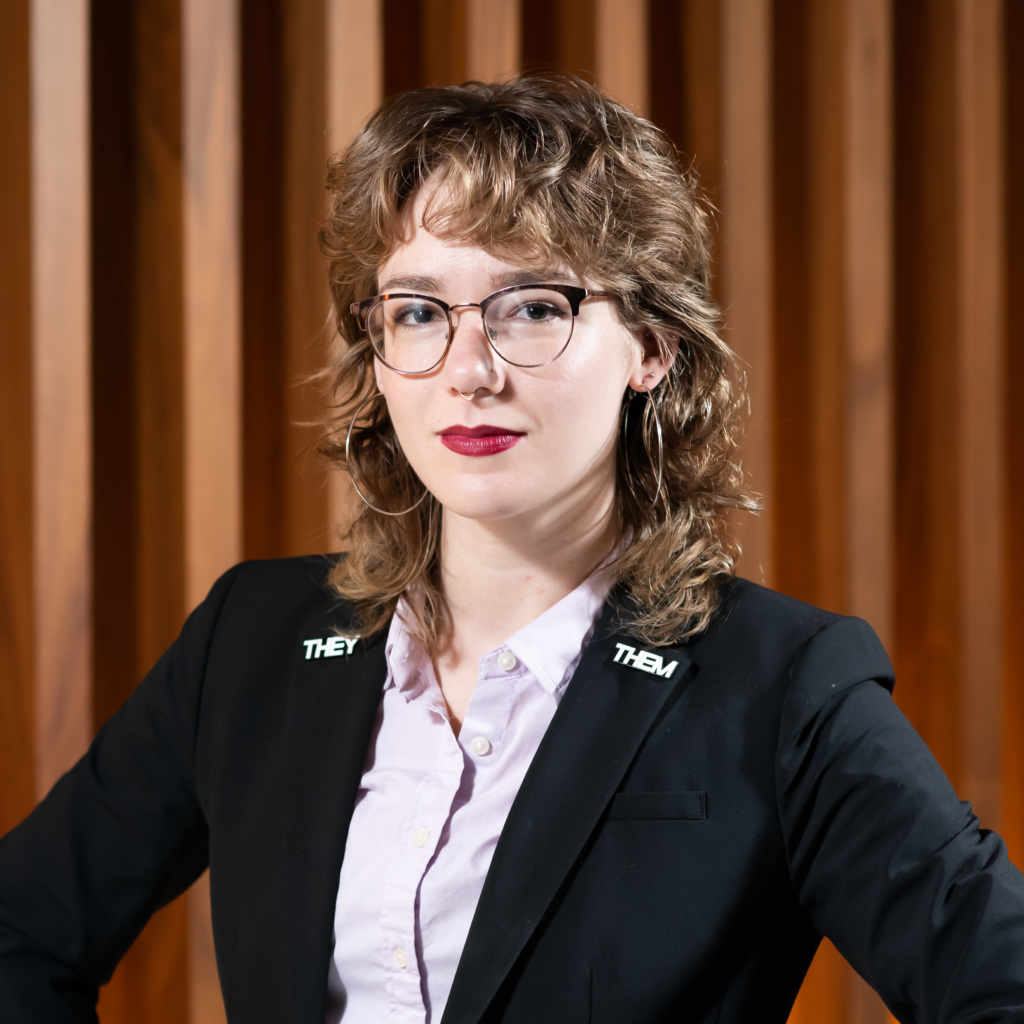
Education is yet another sector that has been flipped on its head as a result of the pandemic. Kel O’Hara, a 2019 Fellow at Equal Rights Advocates, works to expand support for LGBTQ+ student survivors of gender-based violence and harassment, with a focus on Title IX. The abrupt shift away from physical campuses has raised a lot of questions about the status of pending Title IX cases. Kel, who uses they/them pronouns, co-wrote comprehensive guidance for Title IX administrators, encouraging schools to thoughtfully and promptly proceed with remote investigations, with priority given to cases that involve graduating students.
“Long delays in an investigation can prevent student survivors from healing or even cause further traumatization. It’s absolutely possible for schools to investigate and resolve these cases without students returning to campus,” said Kel.
Physical safety and mental health are additional concerns for LGBTQ+ students forced to leave behind the support and community that campuses provide. “There are many [new challenges facing my clients], but the one I’m most worried about is social isolation,” Kel said. “Many queer and trans students are back in unsupportive homes or experiencing housing insecurity, further affecting their ability to participate in a Title IX process and protect their own emotional wellbeing at a collectively traumatic time.” Though school-based support has become largely inaccessible, organizations like Gender Spectrum have created online resources and virtual support groups, while crisis hotlines like The Trevor Project are working to respond to increased calls.
“Sadly, the loss of safer spaces and supportive connections are an issue for all LGBTQ+ people right now, not just students,” they said.
We are proud of the work our Fellows are doing to protect LGBTQ+ rights amid the coronavirus pandemic. To learn more about the work of our Equal Justice Works Fellows, visit here.
*Due to technical difficulties, the training led by MK Anderson was recorded in two parts. Part 1, Part 2.
**Elisabeth refrains from using the common “LGBTQ+” acronym to refer to elders in the community because of the historic weaponization of the word “queer” against older adults.