Reflecting on the Legacy of the Fair Housing Act in Virginia

By Laura Dobbs, staff attorney at Virginia Poverty Law Center, and 2019 Equal Justice Works Fellow
In April, we celebrate the anniversary of the passage of the Fair Housing Act of 1968, a national law that prohibits discrimination in the sale, rental, and financing of housing based on race, color, national origin, religion, and gender. The Fair Housing Act as it stands today also prohibits discrimination based on disability and family status. Virginia’s Fair Housing Act extends discrimination protections based on veteran status, elderliness, sexual orientation, and source of funds. Everyone belongs to one or more protected classes, and we should all benefit from the ideals of Fair Housing.
Everyone belongs to one or more protected classes, and we should all benefit from the ideals of Fair Housing.
There seems to be a common misperception of what the Fair Housing Act requires; some think it means treating everyone the same. Yet it is more nuanced than that. The façade of “treating everyone the same” needs to be placed in the context of decades of housing discrimination and how seemingly neutral policies perpetuate housing segregation.
To this day, cities in Virginia remain largely segregated and continue to suffer from racially discriminatory practices of previous decades, such as race based zoning ordinances, restrictive covenants, red lining, and highway construction through once thriving Black neighborhoods. At the same time the Federal Housing Administration subsidized “white flight” to the suburbs with attractive mortgage guarantees, cities like Richmond used federal dollars to destroy Black neighborhoods in the name of “slum clearance” and relocate displaced families into public housing. In the 1950s alone, Richmond destroyed 4,700 units of housing in Black neighborhoods and replaced them with 1,736 units of public housing. Richmond’s four largest public housing developments, Creighton Court, Whitcomb Court, Fairfield Court, and Mosby Court, are concentrated within an approximately one-mile radius in the city’s east end.
Public housing residents in Richmond are almost exclusively Black and are among the city’s most deeply impoverished. For instance, in Creighton Court, 97% of current heads of household identify as Black compared with 46% Black in the city overall. Today, households receiving HUD housing assistance live on average incomes of $15,000 a year.
After decades of constructed segregation, Congress passed a new housing act in 1974 that sought to leverage the private market to solve the problems of public housing. Yet the stigma associated with public housing residents, such as those at the center of the “Chicago Myth”, carried over to the voucher program. In the late 1990s, the Department of Housing and Urban Development, sensitive to what had become the negative perception of “Section 8” vouchers, began to refer to the program as “Housing Choice Vouchers.” The name contrasts with the great lack of choice tenants actually have in finding safe and decent housing. Nonetheless cities like Richmond embraced this shift from traditional public housing to public-private partnerships.
Housing Choice Vouchers now represent about one third of the nation’s assisted housing, yet the stigma associated with the program remains the same. There is an assumption that voucher holders behave in a certain way and need deep subsidies due to some moral failing that makes them incapable of affording the housing. Just as racist housing policies of the Jim Crow and early Civil Rights era were couched in concerns about “morality” (i.e., it is not “moral” for a Black person to live with a white person), so are concerns about renting to voucher holders based on assumptions about the tenants’ “moral failings.”
Underlying negative assumptions about a person’s race or economic status is a judgment about that person that they are less than and undeserving. When a landlord refuses to rent to a voucher holder, because he fears that the person will “tear up” the property, the landlord is making an assumption about that person. This is the same pattern of assumptions that have long been made about Black people. Even if a landlord’s concern about renting to a voucher holder genuinely relates to the process and not the tenant, the disparate impact is the same: poor Black families are shut out of housing opportunities.
This year, I am taking a step back to celebrate the successes here in Virginia of advancing the ideals of Fair Housing. In 2020, Housing Justice Program Fellows mobilized tenants to speak directly with lawmakers in support of expanding anti-discrimination protections to more people, including voucher holders. That year, Virginia added source of funds, sexual orientation, gender identity, and veteran status to the list of protected classes in Virginia’s Fair Housing Act.
This year, I am taking a step back to celebrate the successes here in Virginia of advancing the ideals of Fair Housing.
With the addition of “source of funds” to the list of protected classes to Virginia’s Fair Housing Act, advocates were given a powerful tool to combat modern forms of housing discrimination. In October 2021, the Virginia Attorney General office filed lawsuits against 29 Richmond area real-estate companies and property managers for categorically rejecting prospective voucher holding tenants. With these lawsuits, Virginia is sending a clear message that all Virginians deserve the right to live where they choose, free from discrimination.
Virginia is sending a clear message that all Virginians deserve the right to live where they choose, free from discrimination.
With the COVID-19 pandemic and the resulting economic harm to thousands of Virginia families, a new evolution of housing discrimination is emerging: some landlords are refusing to renew leases for tenants who received emergency rental assistance. Despite getting funds directly from the Virginia Rent Relief program and being made whole, some landlords are implementing policies that treat tenants who received assistance differently. Not only does this practice directly violate the Virginia Fair Housing Act , but it disproportionately harms Black families and families with young children. Black households account for almost 52% of those who received rent relief in Virginia; 67% of households served included children under 8 years old.
Advocates in Virginia are still grappling with how to respond to this new form of discrimination, but thanks in part to the efforts of cohort one of the Housing Justice Program Fellows, the incoming Housing Justice Program Fellows have a strong tool at their disposal: the Virginia Fair Housing Act.
Visit here to read more stories about the work of our Fellows and how they are advocating for policies and practices that protect the rights of all tenants.
The Housing Justice Program is made possible thanks to the generosity of The JPB Foundation and JPMorgan Chase & Co.
Equal Justice Works invites eligible organizations based in South Carolina to submit proposals to participate as host organizations in the 2022 Housing Justice Program.
The Equal Justice Works Housing Justice Program mobilizes a cohort of lawyers and community organizers working collaboratively as Fellows to serve low-income individuals who are currently or at risk of experiencing housing instability and involuntary displacement, particularly due to eviction.
In 2022, Equal Justice Works is expanding the Housing Justice Program from Virginia to South Carolina and Maryland. Equal Justice Works seeks to allocate approximately six Fellows in South Carolina: four attorney Fellows and two community organizer Fellows hosted at legal services organizations and community-based organizations. Host organizations will participate in the Housing Justice Program by hosting one or more Fellows; organizations may apply to host attorney Fellows, organizer Fellows, or a combination of both. These 6 Fellows will work cooperatively to:
- Provide direct legal assistance including advice, referrals, and full representation for tenants in eviction proceedings;
- Build collaborative partnerships with community organizations and provide referrals for wraparound services;
- Engage in outreach including know-your-rights presentations and workshops, legal clinics, and intake events around housing issues; and
- Identify patterns, organize tenants, engage in impact litigation to challenge structural issues, and educate key stakeholders around the causes and consequences of housing instability.
Fellows will serve for two years, beginning on or about August 1, 2022 and ending no later than 24 months after the Fellow’s start date and no later than August 31, 2024.
The Housing Justice Program is funded by The JPB Foundation and JPMorgan Chase & Co.
Please see links to the full Request for Proposals (RFP) and accompanying appendices below. Proposals must be submitted by Friday, April 29, 11:59 p.m. EST via email to [email protected].
If you are interested in submitting a proposal, please complete this brief Intent to Apply Survey and specify how many Fellows (lawyers and/or organizers) you are interested in applying for by Monday, April 11, 2022.
Resources
Before applying, please review the following materials:
- Equal Justice Works Housing Justice Program RFP No. HJP-20A06
- Equal Justice Works Standard Grant Award Conditions for Non-Federal Grants
- Sample Fellow Position Description, Attorney Fellow
- Sample Fellow Position Description, Organizer Fellow
Templates & Forms
The following materials are required for submission:
- Applicant Information Form
- Proposal Narrative
- Budget Template
- Policy Certification
- Certification for Data Privacy
If you have any questions about the application process, please reach out to [email protected].

By Jacob Zarefsky, a 2021 Equal Justice Works Fellow in the Disaster Resilience Program. Jacob is hosted by Neighborhood Legal Services of Los Angeles County.
While it is not a novel phenomenon, climate change has exacerbated the effects of extreme heat on people living in high-temperature climates. Heat-related illness and death represent a serious consequence of climate change in the 21st century, and this is especially prevalent in California. The Los Angeles Times recently published an article detailing the impact of heat-related deaths in California and found that extreme heat caused approximately 3,900 deaths in California over the past decade—that is six times more than the state’s official count. Even so, extreme heat receives substantially less awareness than other disasters, despite killing more Americans each year than wildfires, hurricanes, and floods.
Extreme heat poses an existential public health risk in California that manifests in various ways. When combined with drought conditions, extreme heat has led to many of the devastating wildfires throughout the state. These wildfires have prompted federal aid and assistance, state of emergencies, and state-wide public policy initiatives to mitigate its effects. However, as important as these efforts are, the exact location and timing of wildfires is unpredictable.
In contrast, some areas of the country experience predictable extreme heat patterns. Some areas of California can expect annual temperatures exceeding 115 degrees for several months. In 2020, heat waves impacted much of the Southwest for over three weeks and produced record-breaking temperatures throughout some regions. Heat waves lead to hospitalizations and deaths for individuals without sufficient cooling infrastructure in place, such as air conditioning and access to shade. Exact figures quantifying heat-related illnesses and deaths are inherently difficult to pinpoint, and this often results in under-reported numbers.
Ultimately, the impact of extreme heat falls disproportionately on the most vulnerable populations: communities with low-income households and people of color. Many low-income tenants do not have air-conditioning units and cannot afford to purchase them. While California landlords are required to provide access to heating, there are no state housing ordinances mandating access to cooling. Extreme heat not only raises habitability issues but also demonstrates the lack of sufficient standards in employment protections.
Ultimately, the impact of extreme heat falls disproportionately on the most vulnerable populations: communities with low-income households and people of color.
The California Division of Occupational Health and Safety (CalOSHA) is currently drafting regulations to establish minimum cooling standards for indoor environments, supplementing their outdoor employment standards. These protections will likely include access to shade, cool-down break periods, and minimum requirements to supply water. Complaints about violations of these employment standards and other heat-related safety infractions can be submitted to CalOSHA.
California lawmakers have begun to address the devastating impact of extreme heat through legislation and public policy. The city of Los Angeles recently passed a motion to announce a Chief Heat Officer to institute programs, mitigate extreme heat effects, and generate a better system to accumulate data on the issue. Further, the AB 2076 bill would establish an Extreme Heat and Community Resilience Program to coordinate state and local efforts to address extreme heat as well as a grant program emphasizing low-cost innovations to cooling infrastructure. These recent measures demonstrate California’s focus on mitigating extreme heat beyond traditional wildfire recovery, and efforts to prioritize and try to limit the effects of these devastating disasters before they occur.
The Equal Justice Works Disaster Resilience Program is committed to ensuring that all disaster survivors have an equitable recovery and are resilient for the future. For more information about the program, please visit here.
The Disaster Resilience Program is funded by the Bigglesworth Family Foundation, California Community Foundation Wildfire Relief Fund, Carnegie Corporation of New York, the Center for Disaster Philanthropy, W.K. Kellogg Foundation, and individual contributions.
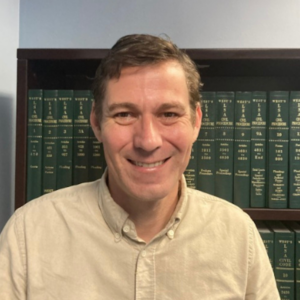
By Christopher Kerrigan, 2021 Equal Justice Works Disaster Resilience Program Lead Fellow Christopher is hosted by Southeast Louisiana Legal Services.
As a native Californian, I’ve experienced my share of earthquakes and wildfires. Still, nothing prepared me for the difficulty of practicing tenant law in Southeast Louisiana after Hurricane Ida.
When disaster strikes, tenant lawyers like me must first take care of ourselves and our loved ones; this means taking disaster preparation seriously. As soon as we are safe, we are thrust into action on behalf of our clients, helping them navigate the plethora of legal housing issues that arise in the aftermath.
After a natural disaster, communication with clients is paramount. If possible, tenant lawyers should prepare to secure client files safely for working on the road or in remote locations. We must take the time to reach our clients to ensure they can make informed legal decisions. Below are some common issues that my host organization dealt with after Hurricane Ida, including some practical tips for assisting tenants with each case.
Rent Obligation after a Hurricane
Many are surprised to learn this, but despite the magnitude of Hurricane Ida, tenants were still required to pay timely rent in the aftermath.
In Louisiana, a hurricane is considered an “Act of God.” In most cases, this requires the tenant to tender rent unless the tenant’s home is “substantially impaired.” If substantially impaired, a tenant might be able to argue that they owe less rent or dissolve the lease. Unfortunately, “substantially impaired,” a legal term of art, is not defined under Louisiana law. Still, if the damage to the unit prevents the tenant from accessing or using a portion of the home, such as a kitchen or bedroom, we argue that a tenant is entitled to a reduction in rent in accordance with the value of their loss.
In most cases, we advise our clients to pay rent, but we also consult with them to learn the extent of damage to their homes. In the most severe cases, we can assist the client with contacting the landlord and negotiating a resolution, such as dissolving the lease or reducing the tenant’s rent. If the landlord is unwilling to negotiate a reduction in rent, a tenant can then sue their landlord and ask the court to do so.
Simply withholding a portion of the rent puts the tenant at risk of a landlord seeking eviction for nonpayment of rent, so tenants should practice caution and consult with an attorney before doing so. Fortunately, If the landlord pursues an eviction against a tenant for nonpayment of rent, the tenant may argue that their home was “substantially impaired” as a defense against eviction.
Evictions
Under Louisiana law, a landlord cannot evict a tenant without filing an eviction and going to court… unless a tenant abandons the property.
Thankfully, the Governor of Louisiana delayed all legal deadlines for 30 days after Hurricane Ida, which effectively meant the landlord could not proceed with new or ongoing evictions until after the deadline. The suspension of deadlines allowed tenants and their legal advocates crucial breathing room to resolve disputes with landlords short of evictions.
Unfortunately, not every Justice of the Peace in Louisiana halted evictions proceedings per the Governor’s orders. The best way to prevent an eviction in violation of the Governor’s mandate is to make sure the court knows about it.
To protect against claims that tenants abandoned the premises, tenant lawyers usually advise clients to contact their landlords and share a written record expressing that they are not abandoning their units.
Repairs and Habitability Issues
After a natural disaster, contractors and builders are often booked up through no fault of the landlord. However, landlords must maintain the premises in livable condition and make necessary repairs. Tenant lawyers advise their clients to notify their landlord immediately by text or email of repairs needed due to storm damage.
The Repair and Deduct Law in Louisiana allows tenants to make the repairs themselves (or hire someone else) if the repair is deemed “necessary.” The tenant must notify the landlord in writing of the need for the repair and wait a reasonable amount of time before repairing themselves. Once completed, the tenant can deduct the repair cost, including materials and labor, from the next month’s rent. If a landlord is unresponsive, a tenant may use the refusal as grounds to dissolve the lease or utilize the state’s Repair and Deduct Law.
If a tenant must make use of the repair and deduct option, they should consult with lawyer before doing so. Lawyers can use their experience and judgment to advise the client of what repairs a court would likely find “necessary” and ensure the client provides the proper written notice.
Assisting Tenants with FEMA Claims
Tenants who have to evacuate or have personal property damage due to a disaster may be eligible for rental assistance and other aid through the Federal Emergency Management Agency (FEMA). Recouping the expenses incurred during a disaster can be a lifeline for a tenant on a limited income.
At my host organization, we advise our clients to file a claim with FEMA and help them navigate the process. We also encourage clients to document the damages to the home by taking pictures after the storm so we can ideally compare them to previous photos.
FEMA has established community centers throughout Louisiana for people to file claims in person if needed. Sometimes, the most powerful way to assist our clients is to notify them that applications are available.
The Equal Justice Works Disaster Resilience Program is committed to ensuring that all disaster survivors have an equitable recovery and are resilient for the future. For more information about the program, please visit here.
When disaster strikes, tenant lawyers like me must first take care of ourselves and our loved ones; this means taking disaster preparation seriously. As soon as we are safe, we are thrust into action on behalf of our clients, helping them navigate the plethora of legal housing issues that arise in the aftermath.
The Disaster Resilience Program is funded by the Bigglesworth Family Foundation, California Community Foundation Wildfire Relief Fund, Carnegie Corporation of New York, the Center for Disaster Philanthropy, W.K. Kellogg Foundation, and individual contributions.
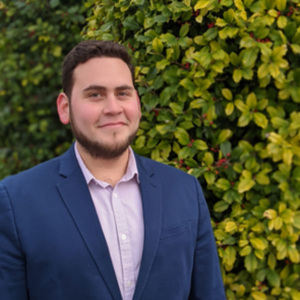
Jorge Roman-Romero, a 2021 Equal Justice Works Fellow sponsored by the Brico Fund, recently spoke with us about advocating for safe drinking water in disadvantaged communities with his host organization, Midwest Environmental Advocates, Inc.
What inspired you to pursue a career focused on water pollution and environmental justice?
Inspired by Dr. King’s legacy on civil rights law, my Equal Justice Works Fellowship focuses on water pollution and environmental justice to confront the fact that vulnerable populations disproportionately bear the health risks of pollution. Starting my environmental law career advocating for people to have the right to clean water regardless of skin color, cultural background, or socioeconomic status is a dream come true.
Starting my environmental law career advocating for people to have the right to clean water regardless of skin color, cultural background, or socioeconomic status is a dream come true.
As an Equal Justice Works Fellow, you advocate for disadvantaged communities in Wisconsin that face disproportionate exposure to toxic pollutants from contaminated water. More specifically, your Fellowship addresses contamination by group of toxic and persistent synthetic chemicals known as per-and poly-fluoroalkyl substances (PFAS). Can you share more about this public health threat and the potential health effects of PFAS exposure?
PFAS are a family of thousands man-made chemicals produced since the 1940s and used in industrial processes and consumer goods due to their heat, oil, and water-resistant properties. Due to environmental and public health concerns, PFAS manufacturers agreed to phase out national production of two types of PFAS––PFOA and PFOS––in the early 2000s. However, thousands of new chemicals were developed and produced in lieu of.r.
Drinking water is the main pathway of exposure, and data so far reveals that approximately two-thirds of the U.S. population is served by water systems with PFAS-contaminated water. Without a comprehensive regulatory response, our right to safe drinking water is in peril. PFAS are of high concern because they are extremely resistant to degradation in the environment, persist in water and air for long periods, and bioaccumulate in our bodies over time; characteristics for which they have been termed “forever chemicals.” The widespread contamination of these hazardous chemicals is a serious public health threat because exposure to several PFAS has been linked to cancer, reproductive disorders, impaired fetal development, thyroid hormone disruption, and immunodeficiencies.
You’ve been working on a comprehensive advocacy response to defend the right to safe drinking water in Wisconsin. Can you tell us more about the multi-pronged strategy and how you are working with state and federal agencies and offices?
To better explain the multi-pronged strategy of my Fellowship, constituting of (1) regulatory advocacy, (2) public awareness campaigns, and (3) direct legal action, here is some regulatory background on PFAS in Wisconsin:
Approximately two-thirds of people in Wisconsin rely on drinking water from groundwater sources. The Wisconsin Department of Natural Resources (DNR) is currently investigating dozens of sites of PFAS contamination around the state. Unfortunately, because the federal establishment of drinking water maximum contaminant levels under the Safe Drinking Water Act for PFAS are years away, it is up to the DNR to respond to this public health threat. Currently, the state agency is in the process of establishing groundwater and drinking water quality standards for two types of PFAS. However, the Wisconsin Administrative Act Procedure Act makes it cumbersome for protective rules to be finalized. The Natural Resources Board, the supervisory body of the DNR, must first approve the proposed rules. Then, the Joint Committee for the Review of Administrative Rules has unilateral veto power to either prevent proposed rules from finalizing or suspend finalized rules at the end of the rule-making process.
I have been working with impacted communities to amplify their voices in the comment period of the rule-making process urging the DNR to finalize the proposed rules that will prompt a systemic response to abate PFOS and PFOA contamination. I have also developed toolkits with information about the rule-makings to bring public awareness and foster public participation. Additionally, my regulatory advocacy has incorporated an environmental justice lens to ensure that environmental justice and equity are guiding principles of the statewide response to PFAS pollution. I am also continuing to work on legal theories if litigation becomes necessary in the rule-making process.
Related to other PFAS substances of concern not subject to current rule-makings, I am exploring vehicles to request federal agencies, like the Center for Disease Control and the Environmental Protection Agency, to test and develop toxicological health data in Wisconsin to spur additional rule-making efforts. Finally, to better identify sources of pollution and unknown communities at risk, I will be leading an effort to retrieve data under Wisconsin’s open records law from utilities that have tested but not yet disclosed information to the public about the severity of the contamination.
My regulatory advocacy has incorporated an environmental justice lens to ensure that environmental justice and equity are guiding principles of the statewide response to PFAS pollution.
Part of your work also involves creating educational materials on the risks of toxic exposure and promoting local activism to spur statewide water testing. What are some of the ways you are sharing these materials with affected communities and what does public involvement look like to you when it comes to local activism?
Public participation is a crucial feature of my Fellowship. I am collaborating with various environmental attorneys in the state to prepare and distribute toolkits with the factual and legal issues surrounding the PFOS and PFOA rule-makings. Further, we hosted a webinar where we provided an opportunity for members of various affected communities to ask questions regarding the rule-making process. Again, without fostering public involvement and activism, the legal and regulatory aspects of my Fellowship will not have meaningful effects.
Without fostering public involvement and activism, the legal and regulatory aspects of my fellowship will not have meaningful effects.
Lastly, what has been the most exciting part of being an Equal Justice Works Fellow and what are you hoping to achieve in the first year of your Fellowship?
The most exciting part of my Fellowship is that I get to work on cutting edge water quality issues through a civil rights lens. Removing barriers to equal protection and fostering equitable access to decision-making processes are principles embedded in the American constitutional project and I appreciate the opportunity I have as a Fellow to advance these principles.
The most exciting part of my Equal Justice Works Fellowship is that I get to work on cutting edge water quality issues through a civil rights lens.
To learn more about Jorge’s Fellowship, visit his profile here.
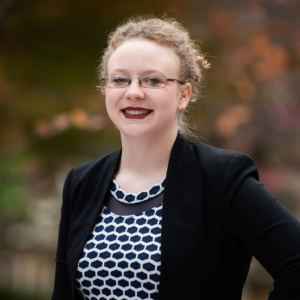
By Hannah Dyal, a 2020 Equal Justice Works Fellow who served in the Disaster Resilience Program. Hannah currently works as a staff attorney on the disaster team at Texas RioGrande Legal Aid.
Learning how to handle FEMA appeals after a disaster is often overwhelming and confusing. Here are some top tips for legal practitioners to better assist clients recovering from a disaster.
Develop relationships with community partners
Having relationships with the community partners in your area is vital to connect with the people who most need legal assistance. Local community partners have strong community ties and may even engage in post-disaster door-to-door canvassing to find out who needs aid. They can refer disaster survivors with urgent legal needs to you directly, if they know who you are and what you do. Being familiar with what community partners do, and training them on what your organization does, can also make finding survivors who need legal assistance much less time consuming.
Keep an eye on deadlines but don’t let them defeat an appeal
Generally, deadlines for FEMA appeals are 60 days from the date on the decision letter—NOT the date a survivor received the letter. If you cannot get an appeal to FEMA before the deadline passes, don’t just assume the survivor cannot get FEMA assistance; send the appeal anyway. FEMA is usually flexible with their deadlines and regularly consider late appeals. Keep in mind that FEMA enforces their deadlines for applications for assistance much more strictly than their deadlines for appeals of eligibility decisions.
Learn the difference between ONA vs. FEMA
FEMA allows disaster declared jurisdictions to elect to administer the Other Needs Assistance (ONA) portions of the Individual and Households Program. ONA is essentially all non-housing assistance such as personal property, transportation assistance, and funeral assistance etc. You can find a full list of ONA here. Once a disaster declaration has been made, you should find out whether your state has elected to administer ONA, and if so, what part of the state government is handling it. You can reach out to the FEMA Regional Administrator for your area to learn how ONA is being administered for your disaster. FEMA still has significant control over the ONA award amounts and eligibility determinations, but the state government may allow for additional paths of appeal outside of FEMA.
Don’t give up!
FEMA appeals require creativity and persistence. Advocates cannot speak directly to the caseworker making eligibility determinations. Instead, you have to communicate with a general helpline worker, who may be uninformed on legal issues specific to your state. Use your best judgement to decide when to push back against FEMA, or when to provide FEMA with the information they are asking for, even if you think they already have it or shouldn’t need it.
Prepare your community
Before a disaster, prepare your community for potential disasters through outreach and community education. If you practice in a disaster-prone area, you can conduct trainings specific to FEMA or other disaster benefits. If your community is not often impacted by disasters, it may be more helpful to carry out trainings on general landlord/tenant law, title clearing, or insurance, and discuss how a disaster can impact these types of cases.
FEMA appeals may not seem like an issue that requires legal advocacy, but survivors who most need FEMA assistance, such as elderly individuals, are the ones who need the most help navigating the appeals process. Your legal advocacy will bring more FEMA money to individual disaster survivors and therefore to the entire community, making your community more resilient to disasters.
For more information on FEMA assistance types and the appeals and application process, visit the FEMA Individual Assistance Program and Policy Guide.
The Equal Justice Works Disaster Resilience Program is committed to ensuring that all disaster survivors have an equitable recovery and are resilient for the future. For more information about the program, please visit here.
The Disaster Resilience Program is funded by the Bigglesworth Family Foundation, California Community Foundation Wildfire Relief Fund, Carnegie Corporation of New York, the Center for Disaster Philanthropy, W.K. Kellogg Foundation, and individual contributions.

By Jordan Davis, 2021 Equal Justice Works Fellow in the Disaster Resilience Program. Jordan is hosted by Disability Rights California.
Each year the number of wildfires in California increases. In 2021, there were over 300 wildfires recorded by Cal Fire, and in the first two months of 2022, there have been nearly 200 wildfires. People with disabilities face additional life-threatening concerns from unpredictable power shutoffs.
Public Safety Power Shutoffs (PSPS) require utility companies to turn off power to specific neighborhoods determined to be a high fire-threat under certain weather conditions. When the power goes out unexpectedly, Californians who rely on medical equipment to live independently may be left helpless and in the dark. These shutoffs can last days on end, placing people who are dependent on medical equipment and temperature-controlled medicine at risk of harm or death.
Without backup power or additional batteries, these power shutoffs create medical emergencies for people who depend on things like life-support, power wheelchairs, insulin, etc. The price of purchasing additional batteries or generators with enough power to supply medical equipment is burdensome and most insurance providers don’t cover these needs. Right now, legal aid and community-based organizations are working together to find solutions to this issue.
One of the first calls I received at my host organization Disability Rights California was from a person experiencing multiple power shutoffs who relied on a power wheelchair and lifts to live independently. The lack of warnings meant that every time a PSPS event occurred in her area she would have to call emergency services to come help her move. To address this issue, we provided the client with information on PSPS notifications and programs her utility company provides to people with disabilities, while we continue to advocate for policy change within the medical insurance industry.
As “fire season” becomes more of a year-round occurrence, it places additional burdens on people with disabilities. Increasing awareness about disaster preparedness can help the most disadvantaged feel safe and be safe.
As 'fire season' becomes more of a year-round occurrence, it places additional burdens on people with disabilities. Increasing awareness about disaster preparedness can help the most disadvantaged feel safe and be safe.
The Equal Justice Works Disaster Resilience Program is committed to ensuring that all disaster survivors have an equitable recovery and are resilient for the future. For more information about the program, please visit here.
The Disaster Resilience Program is currently funded by the Bigglesworth Family Foundation, California Community Foundation Wildfire Relief Fund, Carnegie Corporation of New York, the Center for Disaster Philanthropy, W.K. Kellogg Foundation, and individual contributions.
By Touri Goode, program coordinator at Equal Justice Works

The legal needs that emerge following a disaster are complex and difficult to navigate alone. Public interest lawyers play a crucial role in helping families overcome barriers to recovery in the aftermath of a disaster. Civil legal aid is a building block that helps create community sustainability, resilience, and preparedness for future disasters.
In June of 2020, Equal Justice Works launched the Disaster Resilience Program to help fulfill the need for equitable legal services before, during, and after a disaster occurs. Through the program, public interest lawyers work on-the-ground providing free civil legal aid to low-income communities in areas prone to disasters such as hurricanes, floods, winter storms, wildfires, and pandemics.

The first cohort of the Disaster Resilience Program mobilized six Fellows (public interest lawyers) who served from June 2020 to October 2021 in Texas and Florida. In the summer of 2021, they were joined by six student Fellows (law students) who worked alongside them to provide support and build their legal skills outside of the classroom.
“Being part of the Disaster Resilience Program allowed me to become a trusted stakeholder and partner within both the disaster networks and disability organizations,” said 2020 Fellow Stephanie Duke. “Having staff designated to disaster work allowed for consistency and representation of the needs of the disability community.”
Being part of the Disaster Resilience Program allowed me to become a trusted stakeholder and partner within both the disaster networks and disability organizations.
Stephanie Duke /
2020 Equal Justice Works Fellow
Disaster Resilience Program
Due to the nature of the Fellowship model, program participants had the opportunity to collaborate with each other, share resources and learn from each other so that they could be more effective advocates for their clients. As a result, the Fellows in the Disaster Resilience Program were able to make a significant impact in the communities where they served.
Fellows provided legal services to 545 individuals and 668 pro bono hours to disaster survivors, contributing to a staggering $670,235 in combined economic benefits gained for clients. Here are some top highlights from cohort one:
 At Texas Rio Grande Legal Aid, 2020 Fellow Hannah Dyal helped to file a lawsuit against FEMA for violating the Freedom of Information Act. The lawsuit claims that FEMA had denied funds to victims of Winter Storm Uri and had not disclosed the rules for determining disaster aid.
- Meghan Smolenksy, a 2020 Fellow at Lone Star Legal Aid assisted a client who lost his job after receiving a heart transplant. He could no longer work in his immunocompromised condition and did not qualify for unemployment payments. Meghan filed a CDC Declaration moratorium so that his landlord could not evict him. She was able to get her client rental assistance and the eviction case against him was eventually dismissed.
- At YMCA International Services, 2020 Fellow Roberto Flores represented a widow of a U.S. Army veteran who was forced to remain in Canada because she wasn’t a legal permanent resident of the United States. Her home was destroyed by Hurricane Harvey along with her immigration documents. Roberto helped her to apply for a 601 Waiver and offered her pro bono representation and interview preparation. Her waiver for permanent residency was approved in May 2021.
“Being in the Disaster Resilience Program allowed me to stay focused specifically on disaster recovery work,” said Hannah on the benefits of the program. “If I had not been in the program, the cases I was working on would likely have been “non-priority” and I may not have been able to focus on those cases and clients.”
Being in the Disaster Resilience Program allowed me to stay focused specifically on disaster recovery work.
Hannah Deal /
2020 Equal Justice Works Fellow
Disaster Resilience Program
 In addition to direct legal services, Fellows led community outreach and education efforts that included collaborating with 55 community organizations and conducting 4,000 disaster preparedness presentations and trainings. Program participants also authored a Disaster Attorney Guidebook that’s set to be released later this month. The Guidebook, a first of its kind, provides an overview of disaster assistance available under state and federal laws and outlines the steps that attorneys should take to ensure assistance reaches low-income disaster survivors.
Equal Justice Works is continuing its commitment to disaster recovery and preparedness, with a second cohort of Fellows who are being mobilized to serve communities in California, Louisiana, and New Mexico. Fellows in California will support communities affected by wildfires and provide education in wildfire prevention; in Louisiana, Fellows will serve communities impacted by housing instability, hurricanes, floods, and COVID-19; and Fellows in New Mexico will provide holistic legal services to immigrant families to help reduce the risk of harm from disasters.
To learn more about the Disaster Resilience Program, visit here.
Cohort 1 of the Disaster Resilience Program was funded by Carnegie Corporation of New York, the Center for Disaster Philanthropy, and the Bigglesworth Family Foundation.

By Courtney Mendoza, 2020 Equal Justice Works Fellow cosponsored by Katherine Borsecnik & Gene Weil and an anonymous funder. Courtney is hosted by Mental Health Advocacy Services.
When health issues are legally and socioeconomically rooted, it is difficult to sustainably improve health outcomes with medicine alone. My Equal Justice Works Fellowship addresses the social determinants of health that contribute to the racial disparities of infant and maternal mortality, pre-term births, and mental health disabilities experienced by low-income mothers of color in Los Angeles County, California. By partnering with the county’s Nurse-Family Partnership (“NFP”) program, which provides physical and mental health care to low-income pregnant and postpartum mothers through a home visitation model, my maternal medical-legal partnership project provides free direct legal services in conjunction with NFP’s medical care. Through this partnership, I address health-harming legal issues, such as food and income insecurity, family violence, access to insured and affordable health care, housing instability and habitability issues, and more—all of which have become increasingly consequential for family stability during the ongoing COVID-19 pandemic.
I was raised by a single mother who emigrated from the Philippines. My passion to advocate for families stems from my own upbringing and my exposure to the prevalent cycle of homelessness, hospitalization, and incarceration for people with mental health disabilities.
My passion to advocate for families stems from my own upbringing and my exposure to the prevalent cycle of homelessness, hospitalization, and incarceration for people with mental health disabilities.
Courtney Mendoza /
2020 Equal Justice Works Fellow
It has been a unique privilege to work alongside new and expecting mothers, their nurses, and their therapists to ensure that these growing families are completely supported. After creating relationships with these mothers over the course of their legal cases, it has been so gratifying to receive “thank you’s” from my clients in various forms, including pictures of their newborns after delivery, joyful screams from their children on the phone who’ve learned my name, and heartfelt conversations with mothers who just need to vent and be heard.
On the other hand, it has been a challenge learning how to balance compassion with boundaries to prevent emotional burnout. Not all cases have happy endings, and vicarious trauma can so easily be compounded when working from home. Most of my clients are single mothers juggling their mental health, child care, job schedules, and legal issues. As a result, I’ve been learning how to walk the fine line between honoring my work boundaries while still accommodating my clients’ time and priorities—whether I meet them in their first trimester, near their due date, or postpartum.
It has been a challenge learning how to balance compassion with boundaries to prevent emotional burnout…I’ve been learning how to walk the fine line between honoring my work boundaries while still accommodating my clients’ time and priorities.
Courtney Mendoza /
2020 Equal Justice Works Fellow
Since I started my Fellowship in 2020, I’ve helped almost 100 mothers obtain various legal and non-legal remedies to feed their children, sleep in affordable and safe homes, protect themselves from abusive partners, and more. Ensuring these basic needs gives these families stable footing to thrive, and for mothers who have been separated from their children, it gives them the best chance at family reunification. In addition to my legal work, I’ve engaged in advocacy work with organizations fighting domestic and intimate partner violence, as well as with grassroots groups filling the gaps in support for Black mothers. I’ve also written to federal government officials in support of reasonable accommodations for pregnant and parenting workers.
With the positive outcomes, we’ve collected from the maternal medical-legal partnership, my host organization is hoping to secure funding to keep it going beyond the fellowship which ends later this year. I hope to continue working in medical-legal partnerships throughout my career and maybe one day teach a medical-legal partnership clinic at a law school!
At Equal Justice Works, we are proud of Courtney and other Fellows for helping to improve health outcomes for women with mental health disabilities. To learn more about Courtney’s Fellowship, visit her Fellow profile here.
By Stephanie Duke and Maria F. Vazquez, 2020 Equal Justice Works Fellows who served in the Disaster Resilience Program. Stephanie currently works as a staff attorney at Disability Rights Texas and Maria is a staff attorney at Catholic Charities of the Archdiocese of Galveston-Houston.
Resilience after a disaster or emergency is directly related to preparedness. Marginalized and vulnerable communities are continuously and disproportionately impacted by tragic incidents because inequities or barriers faced in everyday life are exacerbated by the event. For some, preparedness is a luxury, as those who do not have the financial means or other available resources cannot respond or recover to disasters and emergencies as quickly or efficiently as those who do.
For the immigrant community, disaster preparedness should involve creating a safety plan that includes protecting important immigration documents and ensuring that individuals know what to do if they have a case that is currently pending. Here are some helpful tips to keep in mind:
- Keep immigration documents and correspondence secure. If you are forced to evacuate your home, take your documents with you. It is also recommended to keep digital copies of these documents, so be sure to scan or take pictures in case these documents are lost or destroyed.
- If you have a pending immigration case and you must relocate, you need to notify each immigration agency where you have a case. This includes U.S. Citizenship and Immigration Services, ICE, and the immigration court.
- You may be eligible for emergency disaster assistance regardless of your immigration status.
- For information regarding office closures or appointment cancellations, visit the following websites:
- U.S. Citizenship and Immigration Services (USCIS):
- Executive Office for Immigration Review (EOIR immigration court):
Building resiliency for the disability community also requires tangible resources, as well as awareness of the plans that the local jurisdiction has in place to ensure equitable access to all response and recovery measures. If you are transportation dependent and require a wheelchair accessible vehicle, find out if your city or county has a plan to provide such equipment for evacuations. If you are healthcare dependent, you should ask if your city or county has a plan to staff emergency sheltering operations to address your needs. If you are power dependent for durable medical equipment, look into whether your city or county has a plan in place if there are sustained power outages. Inclusive emergency planning, the process cities or counties implement in blue-sky times, can promulgate equitable response and recovery only if it is truly a whole community approach. Here are some helpful tips to keep in mind:
- Ask the right questions, to the right people before a disaster:
- Contact your local emergency management department to ask questions about plans/procedures and how specific accommodations will be made for your needs.
- Inquire with providers (healthcare, durable medical equipment, mental health, etc.) about back-up plans and resources if services are disrupted or you are displaced.
- Protect important documents and contacts; have a hard copy and upload or save them digitally.
- Visit Ready.gov to learn about disaster and emergency resources available to you at local, state, and federal levels.
All attorneys can play a role to further resiliency in our most disaster-prone communities. Regardless of whether you provide direct legal services or support pro bono efforts in a response measure, you can help prepare all your clients for the next disaster or emergency by simply recognizing that the barriers they face every day will be compounded in their most tragic and chaotic of times. In blue-sky times, be the advocate that inquires and instills a community-lawyering approach to help problem-solve, identify resources, and wrap around services to mitigate the impact our communities will encounter in disasters. It is no longer a question of if a disaster or emergency will happen, but when, and what do my clients need to recover.
Be the advocate that inquires and instills a community-lawyering approach to help problem-solve, identify resources, and wrap around services to mitigate the impact our communities will encounter in disasters.
The Equal Justice Works Disaster Resilience Program is committed to ensuring that all disaster survivors have an equitable recovery and are resilient for the future. For more information about the program, please visit here.
The Disaster Resilience Program is funded by the Bigglesworth Family Foundation, California Community Foundation Wildfire Relief Fund, Carnegie Corporation of New York, W.K. Kellogg Foundation, and individual contributions.