Meet the 2024 Rural Summer Legal Corps Student Fellows
Each year, Equal Justice Works partners with the Legal Services Corporation (LSC) for the Rural Summer Legal Corps (RSLC), a program that addresses the pressing legal issues facing rural communities. Program participants, called Student Fellows, spend eight to ten weeks during the summer serving at LSC-funded civil legal aid organizations where they help to provide direct legal services, engage in community outreach and education, and build capacity at host organizations.
This year, 50 Student Fellows from 36 law schools were selected from 262 applications to work remotely at 44 LSC-funded civil legal aid organizations across the United States and its territories, providing critical legal assistance to people in rural areas.
Meet our 2024 RSLC Student Fellows and learn about how they will be helping to address some of the biggest challenges facing rural communities:

Ashley Aceves, University of San Francisco School of Law
This summer, Ashley will work with Neighborhood Legal Services of Los Angeles (NLSLA)’s Clean Slate Initiatives (CSI) practice, which assists system-impacted adults and youth with removing the legal barriers they face because of their criminal records. She will support and expand capacity for several ongoing CSI clinics that serve Antelope Valley residents, including an expungement clinic, a traffic ticket workshop, and a pro per advice clinic for individuals who are on probation or parole.
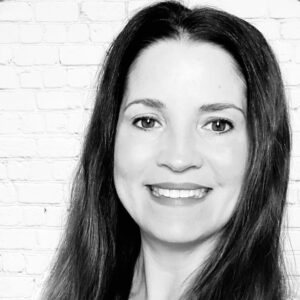
Cheyenne Acree, University of Maine School of Law
Cheyenne will spend her summer with Pine Tree Legal Assistance’s Indigenous Peoples Unit (IPU) to help address legal issues affecting the Wabanaki Tribe. She will work with Pine Tree’s IPU on outreach and education to tribal communities; tribal, state and federal agencies to retain housing and benefits for tribal members; and case work representing Indigenous People in Tribal Court and State Court proceedings.
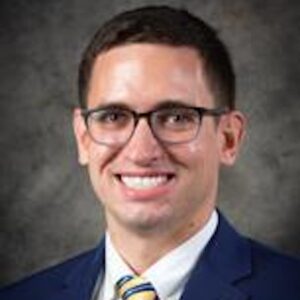
Justin Apperson, William & Mary School of Law
At the Appalachian Research and Defense Fund of Kentucky (AppalReD), Justin will assist attorneys with handling clients whose Social Security Disability and SSI benefits were reviewed because of fraud. In this role, he will interview clients, review and summarize medical records, perform legal research, draft memoranda, and conduct community outreach.
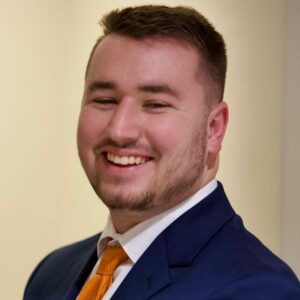
Caleb Atkins, University of Tennessee College of Law
At the Legal Aid Society of Middle Tennessee and the Cumberlands, Caleb will assist with the Low-Income Taxpayer Clinic and Tax Law Legal Check-Up Project. Caleb will engage in direct representation for individuals, particularly families in rural areas who face barriers to access to representation, and manage controversies with the IRS. Caleb will also organize community education events and update and distribute educational materials to rural community members to raise awareness of resources and laws protecting taxpayers.
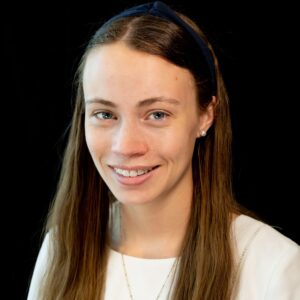
Casey Barton, George Washington University Law School
This summer, Casey will provide legal assistance to low-income communities in Vermont as part of Legal Services Vermont’s advocacy team. She will conduct an independent research project designed to enhance rural legal service delivery and will engage in direct legal services. In this capacity, she will help represent clients in court on eviction and relief from abuse order issues.

Levi Bevis, Arizona State University Sandra Day O’Connor College of Law
Levi, hosted at Inland Counties Legal Services, will help to expand systemic litigation and community lawyering projects, address systemic issues in the region, and build trainings and tools to take to rural communities. He will work with the Systemic and Impact Litigation practice group advocates to challenge unlawful policies, procedures, and practices that prevent indigent people from improving their lives.
 Jessie Black, Emory University School of Law
At Georgia Legal Services Program, Jessie will use outreach to identify the legal needs and issues of greatest concern to seniors in underserved, rural areas. Based on the information gathered, she will work with legal advocates to develop and conduct workshops or clinics for senior citizens, develop educational materials for community members and service providers, and support attorneys in the provision of individual legal representation.
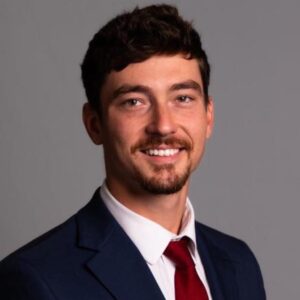
Jacob Boatman, Southern Illinois University School of Law
At Land of Lincoln Legal Aid, Jacob will conduct outreach, community education, and provide legal assistance to a growing population of domestic violence survivors who face isolation and economic instability due to the remoteness of rural Illinois. He will provide safety planning and future legal risk management counseling for clients, as well as draft pleadings and letters, obtain evidence, and attend court and negotiations.
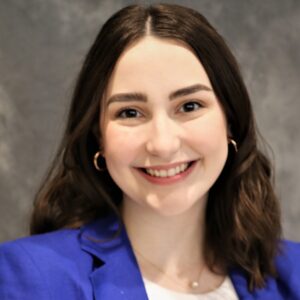
Madeline Brink, Belmont University College of Law
Madeline will join the Beyond Opioids team at Legal Aid of Arkansas, where she will work with treatment clinics to access people diagnosed with opioid use disorder (OUD), screen their civil legal needs for a successful recovery and re-entry, and work with Beyond Opioids’ advocates in delivering ground-breaking, OUD-specific direct legal services to. She will also join recovery and partner groups in outreach events to develop a deeper understanding of the needs of the community as it relates to the impact of the opioid crisis.

Justin Bunch, Tulane University Law School
At Nassau Suffolk Law Services Committee, Justin will join the Domestic Violence Project, which assists survivors of domestic violence in obtaining permanent orders of protection and establishing child custody and visitation orders. Justin will attend court, interact directly with staff and volunteers of local domestic violence agencies, and engage in community outreach.
Caleb Chambers, University of Mississippi School of Law
Caleb will join the Indian Law Project at Legal Services of North Florida where he will help low-income and rural communities, with a focus on outreach and service to the members of the Muscogee Nation of Florida. He will engage in outreach throughout the rural communities and provide legal services that aid survivors of domestic violence as they find safety and stability and fight housing issues. Caleb will also assist with other areas of the law that support economic self-sufficiency for clients.

Brady Clark, William & Mary School of Law
At the Central Virginia Legal Aid Society, Brady will continue the work of the Virginia Farm Workers’ Outreach and Tax Fraud Fellowship. There he will engage in community education, promote awareness and prevention of tax fraud targeting migrant farmworkers, and implement the accessibility actions’ plan as designed. Brady will spend the summer immersed in client interaction and outreach activities.
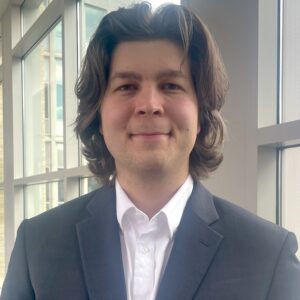
Hayden Cole, University of St. Thomas School of Law
Hayden will join the Rural Housing Justice Project to represent and advise tenants in rural housing cases, with the aim to help families maintain their housing and stability. Hayden will interview and advise clients, provide representation in housing court, negotiate settlements on behalf of clients, and investigate housing cases.
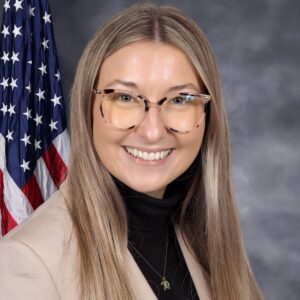
Whitney Dean, Michigan State University College of Law
At Legal Services of Northern Michigan (LSNM), Whitney will continue to build a network of family law clinics for self-represented litigants. She will advocate for domestic and sexual abuse survivors by assisting LSNM staff attorneys with client intakes, interviews, research, document drafting and hearing preparation.
Dylan DiGiovanni, Creighton University School of Law
Hosted at Legal Aid of NorthWest Texas, Dylan will spend the summer focusing on three priority areas—family law, public benefits, and removal of barriers to legal representation. He will observe and participate in all aspects of legal aid, including client intake, staffing, case handling, advocacy,and community outreach and education.

Kyle Ericsson, University of Notre Dame Law School
Hosted at Legal Aid of Wyoming, Kyle will work with legal aid attorneys and judges on the Wind River Reservation to increase awareness about and use of the peacemaker court, which helps alleviate demand of Tribal members seeking access to justice and helps increase justice in a culturally important way. Kyle will help refine peacemaker court operations and support direct legal assistance to clients who are not able to make use of the peacemaker court.

Benjamin Fisher, City University of New York School of Law
Hosted at the Legal Aid Society of Northeastern New York, Benjamin will work with an attorney on various types of cases, including eviction, divorce, custody, child support, family offenses, and matters related to vulnerable families on the St. Regis Mohawk Tribe Reservation.
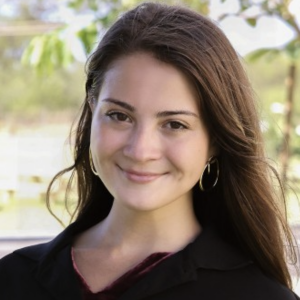
Elizabeth (Liz) Gaccione, University of Virginia School of Law
At the Central Virginia Legal Aid Society, Liz will continue the work of the Virginia Farm Workers’ Outreach and Tax Fraud Fellowship. There she will engage in community education, promote awareness and prevention of tax fraud targeting migrant farmworkers, and implement the accessibility actions’ plan as designed. Liz will spend the summer immersed in client interaction and outreach activities.

Marcos Gonzalez, University of Oregon School of Law
Marcos will join Central California Legal Services (CCLS) to support their current activities and strategically broaden the organization’s reach into many of the rural communities throughout their service area. To help CCLS reach their goals, he will conduct legal research and client interviews, draft legal documents and education materials, and assist with various client and case management needs.
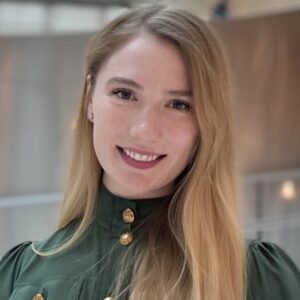
Kelsey Gunvalson, University of Wisconsin Law School
Kelsey will serve as the Native American Housing Rights and Elder Outreach Fellow at Judicare Legal Aid this summer. She will help to address the unique challenges faced by Native American Communities in Wisconsin and empower Native American elders and tribal benefits specialists by providing comprehensive education on the post-pandemic changes in public benefits and ensuring access to stable housing through legal advocacy in tribal courts.

Tessa Hammond, University of Montana Alexander Blewett III School of Law
Tessa will support Montana Legal Services Association (MLSA)’s Housing Law Practice Group with a particular focus on MLSA’s Montana Eviction Intervention Program (MEIP). She will conduct intake interviews and provide supervised legal advice to tenants facing eviction, and help route clients for full representation, mediation, and other wrap-around services.

Brooke Hardin, Indiana University Maurer School of Law
At Legal Aid of the Bluegrass, Brooke will engage with clients suffering from substance use disorder (SUD) to identify their legal issues and how civil legal aid can help them promote successful recovery. She will interview clients, research issues, create legal documents, attend court, and help develop outreach plans to reach target clients. Her work will primarily focus on family and domestic violence law and criminal records expungement.
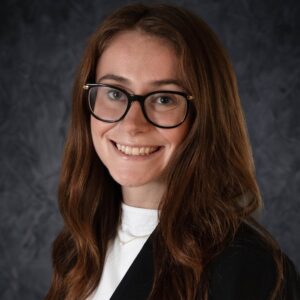
Gabrielle Harger, William & Mary School of Law
Gabrielle will join the Farmworker Legal Services (FLS) team at the Michigan Advocacy Program, where she will work alongside farmworkers and the FLS team to improve the quality of services rendered to this population, enhance communication and information sharing, and strengthen advocacy and farmworker client communities.
Lam Ho Bao, Tulane University Law School
Bao Lam will work with Alaska Legal Services Corporation staff to empower local communities by increasing knowledge of the legal system and local resources. He will engage in direct legal services and assist with the Community Justice Worker Resource Center—an online resource that trains non-attorney community advocates to assist clients—and BeneFactor,a free digital assistant that guides community navigators through the Social Security Disability application process.

Teagan Hughes, Indiana University Maurer School of Law
This summer Teagan will work with the Clearing Legal Hurdles to Employment project at the Legal Aid Society of Greater Cincinnati, which helps individuals resolve issues that are a barrier to success in finding or keeping a job. She will support outreach and education, including collaborating with the Ohio Justice Bus to schedule and publicize in-person clinics and events. She will also engage in services to clients, partners, and communities.

Ramiah Johnson, University of Mississippi School of Law
Ramiah will spend her summer working at North Mississippi Rural Legal Services in Oxford, MS. She will work on the Mississippi Taxpayer Assistance Project, which is committed to helping low-income taxpayers who seek free legal assistance or representation regarding tax matters.
Josef Khaimov, St. John’s University School of Law
Hosted at East River Legal Services, Josef will provide direct case service assistance to clients in the Aberdeen area by supporting staff with client interviews, research, drafting pleadings, and hearing preparation. He will help address the legal needs of new immigrants to the area, especially in the areas of housing, consumer, and family law.
Ania Korpanty, University of California at Los Angeles School of Law
Ania will work at Neighborhood Legal Services of Los Angeles County this summer to provide dedicated research to identify the specific needs of LGBTQ+ youth. They will also conduct outreach to make certain the organization can assist with the legal issues that most impact the community. Ania will also create curricula aimed at educating LGBTQ+ youth and their families and community organizations about the legal remedies available for LGBTQ+ youth.
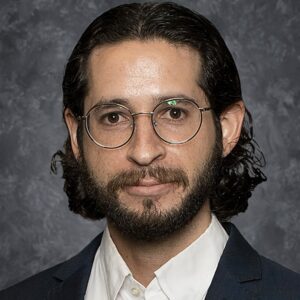
Will Lavallo, University of Texas School of Law
This summer, Will will join the Migrant Farmworker Division at Colorado Legal Services (CLS) where he will assist in meeting the legal needs of farmworkers that so frequently go unmet. He will assist clients with issues including wage theft, sexual harassment, human trafficking, and immigration. Will also plans to travel throughout the rural areas of the region, visiting migrant farm workers to ensure that the workers have information regarding their legal rights and CLS services.

Jesse Leaneagh, University of Tulsa College of Law
Jesse will work at Texas RioGrande Legal Aid on the Farmworker Team along the Texas-Mexico border in El Paso, Texas. While working closely with the Farmworker Team, he will assist with a variety of employment law matters affecting migrant and seasonal agricultural workers.

Hana Lewis, Louisiana State University Paul M. Herbert Law Center
In her project, Hana will assist Southeast Louisiana Legal Services Corporation in expanding access to justice in two rural parishes with some of the highest poverty rates in the service area. She will engage in extensive community outreach with government, nonprofit, and community stakeholders to raise awareness of how civil legal can help improve the lives of vulnerable community members.

Emily Manley, Mercer University School of Law
Emily will join the Beyond Opioids team at the Center for Arkansas Legal Services. There, Emily will work with treatment clinics to access people diagnosed with opioid use disorder (OUD), screen their civil legal needs for a successful recovery and re-entry, and work with Beyond Opioids’ advocates in delivering ground-breaking, OUD-specific direct legal services to eligible clients. Emily will also work with recovery and partner groups in outreach events to develop a deeper understanding of the needs of the community as it relates to the impact of the opioid crisis.

Peytyn Moses, University of Tennessee College of Law
At West Tennessee Legal Services in Jackson, TN, Peyten will provide education, outreach, and direct legal assistance to low-income West Tennesseans re-entering society after being incarcerated in her project. Along with developing resources, expanding clinics, and educating partner nonprofits, the Fellow also will provide direct services to clients at driver license restoration clinics.
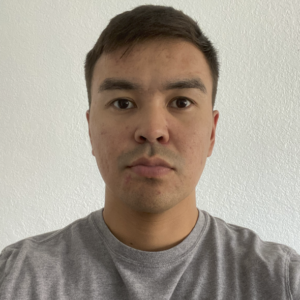
Francis Nicholai, Michigan State University College of Law
This summer, Francis will work with New Mexico Legal Aid in Albuquerque, NM. He will assist with outreach, legal research, and all aspects of providing legal assistance to low-income veterans and patients in rural New Mexico. His project will cover various areas of the law such as consumer protection, landlord/tenant, family law, benefits and discharge upgrades.
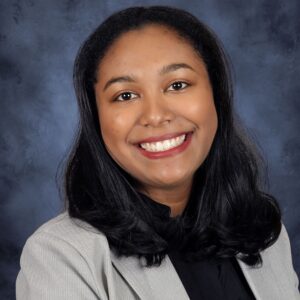
Aliyah Pickeral, Michigan State University College of Law
At Michigan Indian Legal Services, Aliyah will work with staff attorneys who have active child welfare matters in the tribal court system. She will assist with family law related client intakes and review current child welfare and family law related standard letters, forms, website resources, and other materials and propose edits and updates as well as create additional self-help and educational materials.

Kjell Redal, Lewis & Clark Law School
At Legal Aid Services of Oregon, Kjell will help migrant agricultural workers access their legal rights. His work will include gathering information about workers’ experiences to create accessible educational materials about their rights, conducting intakes of impacted workers, assisting in direct legal work to help workers protect their rights, and educating migrant workers in rural areas on best practices to protect their workplace rights.
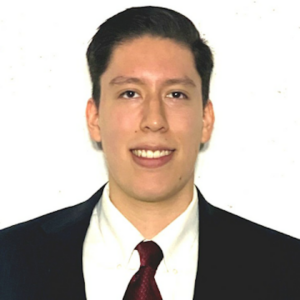
Diego Romero, Marquette University Law School
At Legal Action of Wisconsin, Diego will join the Farmworkers Project where he will help bridge the access to justice gap that farmworkers face by conducting Know-Your-Rights community education and outreach to rural farmworker communities. He will also provide direct services on legal issues identified by agricultural workers.
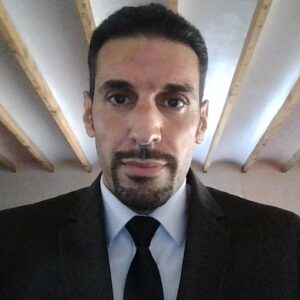
Fouad Rtaimate, University of New Mexico School of Law
At DNA-Peoples Legal Services, Fouad will be immersed in a tribal law program by working alongside, and under the supervision of, Navajo- and Hopi-licensed attorneys to provide outreach, community legal education, and a full spectrum of legal assistance. Fouad will help to identify gaps in tribal law to better ensure consistency across tribal courts.
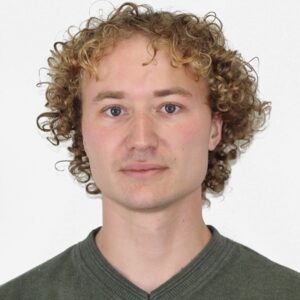
Quinn Rumler, University of Wisconsin Law School
Quinn will join the Employment/Re-entry Project at Legal Action of Wisconsin where he will help to reduce barriers to employment for people living at or below the poverty line. Quinn will focuson advising people on the status of their driver’s license, litigating to lift driver’s license suspensions, and establishing reasonable payment or community service plans. He will also be involved in criminal record correction andexpungement work.
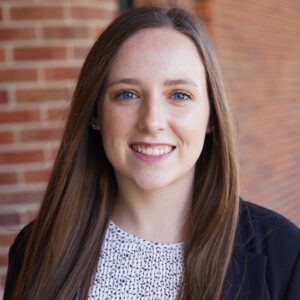
Meghan Sanders, University of Missouri School of Law
At Legal Services of Eastern Missouri, Meghan will help expand outreach efforts and serve domestic violence victims living in rural Missouri. Meghan will conduct outreach to minority communities as well as intake screenings and client interviews, draft pleadings, docket management, court appearances, and closeout assistance.
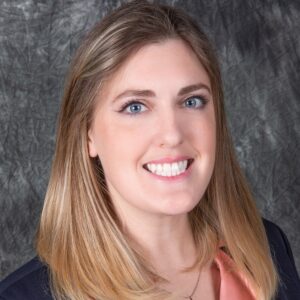
Chancy Schaaf, University of Tulsa College of Law
This summer, Chancy will work at Texas RioGrande Legal Aid in Ediburg, TX. In her project, she will focus on the civil repercussions stemming from a client’s interaction with the criminal justice system. Her work will focus primarily on issues related to barriers obtaining a driver’s license, and she will help to investigate and prepare comprehensive advice and services to those clients unable to obtain a license.

Sasha Shirazi, Florida International University College of Law
Hosted at Legal Services of Greater Miami, Sasha will work in the priority areas of family law, housing, homelessness prevention and assistance, disability claims, and potential disaster recovery issues. Her work will include client interviews, outreach, drafting legal documents, assisting in trial and hearing preparations, and attending court and administrative hearings.
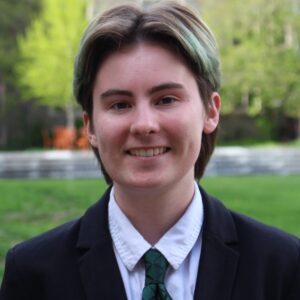
Shay Storz, Cornell University Law School
Shay, hosted by Legal Assistance of Western New York, will provide assistance to low-income clients and work to reduce barriers to employment and increase access to unemployment insurance benefits. Their work will be centered on direct client case work, including screening and intake, client interviewing, legal research and drafting court documents.
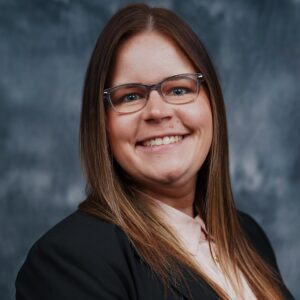
Samantha Troendly, Capital University Law School
This summer, Samantha will work with Legal Aid of Southeast and Central Ohio to help those re-entering society after incarceration. In her project, she will assist in preparing, pulling, and summarizing client documents and court andadministrative records prior to re-entry clinic registration. Additionally, she will assist staff with identifying helpful community partners and employers for clients.

Eliot Usherenko, Boston College Law School
Eliot, hosted at Legal Aid of West Virginia (LAWV), will work closely with LAWV staff on eviction prevention with a particular focus on an emergent issue: manufactured home tenants at risk of eviction due to large corporations purchasing local mobile home parks. He will also assist in several innovative projects and will help conduct outreach, develop legal materials, deliver legal education, and provide legal services in these innovative site-based settings.
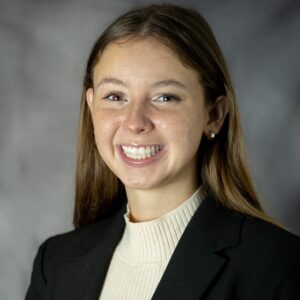
Grace Vanhooser, Florida International University College of Law
Grace will work with Legal Services of North Florida’s Immigration Project to increase trust and access to legal help within their service area. Grace will help non-citizens who are eligible for services in civil legal issues related to their immigration status. Her work will include education and outreach, legal clinics to help with naturalization, and direct client assistance.
Chelsie Verstraete, University of Missouri School of Law
Hosted at Mid-Missouri Legal Services Corporation, Chelsie will work with the housing law team to address housing issues that impact rural residents. Her work will include conducting outreach and presentations, researching legal issues that arise in rural housing cases, and assisting with housing cases including client interviews, investigation, discovery, and drafting pleadings.
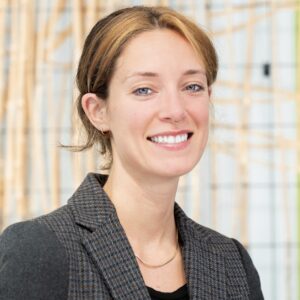
Hannah Waltz, CUNY School of Law
At DNA-Peoples Legal Services, Hannah will be immersed in a tribal law program by working alongside, and under the supervision of, Navajo- and Hopi-licensed attorneys to provide outreach, community legal education, and a full spectrum of legal assistance. She will help to identify areas of tribal law that can be strengthened to better ensure equity across tribal courts.

Christin Watkins, University of Wisconsin Law School
This summer, Christin will assist with the Preventing Rental Evictions Program (PREP) at Southern Minnesota Regional Legal Services. In her project, Christin will participate in meetings between landlords, tenants, and the PREP navigators to resolve disputes, and help represent tenants being evicted in formal eviction actions.
To learn more about the Rural Summer Legal Corps, click here. To learn more about the opportunities that Equal Justice Works provides for law students, click here.
Equal Justice Works recently spoke to 2023 Fellow Amanda Spriggs-Reid about her work advocating for abortion access for disabled people through impact litigation, technical guidance on disability rights for abortion care professionals, and education outreach on reproductive rights. Amanda is hosted by Women Enabled International. Read more about her project below:
Can you tell us about the U.S. Supreme Court case(s) you and your host organization have been involved in either directly or indirectly during your Fellowship? What are the main things people without a law degree should know about these cases?
I have co-written amicus briefs advocating for improved access to abortion care for people with disabilities for both abortion-related cases this term (U.S. Food and Drug Administration (FDA) v. Alliance of Hippocratic Medicine and Moyle v. United States). FDA v. Alliance of Hippocratic Medicine will determine if the abortion medication, mifepristone, will continue to be available in all 50 states under the improved, science-backed regulations that were made in 2021. Moyle v. United States will determine if doctors can still provide health-stabilizing abortion care during medical emergencies in states with restrictive abortion bans. These cases have the potential to restrict or ban abortion access across the country, which could put people’s lives at risk and have devastating effects on people who already face higher barriers to care—like people with disabilities.
Do you have any updates for where this case currently stands?
The Supreme Court has heard oral arguments in both cases.
On June 13, the Supreme Court unanimously rejected the Alliance for Hippocratic Medicine argument against the FDA’s approval and updated regulation of mifepristone. This decision does not expand abortion access in the U.S., but it keeps the regulation of medication abortion, which is more than half of all abortions, available under the 2021 regulations. People can still use telehealth services to access medication abortion and can get their prescriptions from local pharmacies or delivered to their homes. However, the Court did not decide on the merits of this case, but on standing. This means that Alliance of Hippocratic Medicine was not directly harmed by mifepristone’s approval and regulations so they should not have brought this case but leaves the possibility for future challenges to medication abortion by other parties.
We are still awaiting a decision from the Supreme Court on Moyle v United but can expect to receive that decision soon.
Why is this issue of interest or importance to you?
All people, including people with disabilities, need the freedom of bodily autonomy to make their own decisions about reproductive health and pregnancy.
What did it mean to you to be able to help work on a case that made it to the Supreme Court?
I never imagined that I would be writing to the Supreme Court so early in my career, and it is a privilege to be fighting for these fundamental rights. Trailblazing Supreme Court civil rights cases are what inspired me to go to law school in the first place. As part of the advocacy around FDA v Alliance of Hippocratic Medicine, the ACLU and Planned Parenthood organized a rally at the Supreme Court steps during the case’s oral arguments. I had the opportunity to speak at the rally with Elio McCabe from one of our amici co-signers, Autistic Women and Nonbinary Network, to highlight the inclusion of the disability community in the fight to abortion access. It felt incredibly powerful to speak at a rally on the Supreme Court steps and know my words in our amicus briefs were part of these cases.
What do you hope to take away from this experience? How has advocating at the Supreme Court inspired the next stages of your project?
This experience has taught me that no advocacy goal is too ambitious for my project or for me. I will continue to advocate for an inclusive vision of reproductive justice and disability justice with my project and hopefully more amicus briefs are in my future!
What words of advice would you give other lawyers interested in or looking to get involved in Supreme Court jurisprudence?
Connect with coalitions working on your issue areas because collaboration creates more effective advocacy.
Click here to learn more about Amanda’s project. Click here to learn more about Equal Justice Works Fellows working to advance and protect reproductive rights.
This experience has taught me that no advocacy goal is too ambitious for my project or for me.
Amanda Spriggs-Reid /
2023 Equal Justice Works Fellow
Equal Justice Works is proud to introduce the 2024 class of Disaster Resilience Program Student Fellows. These seven law students will spend their summer working alongside Disaster Resilience Program Fellows as they help communities prepare for, respond to, and recover from disasters.
“Disasters often yield unique legal issues that require specialized knowledge and a dedicated pipeline of skilled public interest attorneys,” said Linda Anderson Stanley, director of fellowships at Equal Justice Works and chair of the American Bar Association’s Committee on Disaster Response and Preparedness. “We are proud to continue our support of Student Fellows in the Disaster Resilience Program as they build expertise in disaster law, expand critical legal resources for communities affected by disasters, and help foster the next generation of disaster attorneys to build back more resilient communities.”
Through the Disaster Resilience Program, Student Fellows will gain experience conducting disaster preparedness, response, and recovery legal work. They will help to provide civil legal services, engage in community education and advocacy efforts, and build capacity at their host organizations.
Meet our Disaster Resilience Program Student Fellows and learn more about how they will be supporting a wide range of disaster-related legal issues, including natural resource management policy reform, immigration processes, and climate justice issues:

Kaila Wilkinson will work with the Indigenous Resilience Project at the Native Hawaiian Legal Corporation, which employs the delivery of native rights legal services to prevent any further dispossession of Native Hawaiian individuals and families in West Maui resulting from the August 2023 wildfire. Kaila will also work to reform natural resource management policies and practices that contributed to the disaster through impact litigation and community engagement. Kaila is a student at the University of Hawaii at Manoa William S. Richardson School of Law.
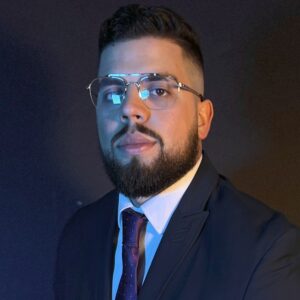
Sebastian Rios-Negron, a student at the University of Puerto Rico School of Law, will work with the Resiliency Law Center to strengthen just disaster redress initiatives, such as those made available through public assistance programs in the wake of disasters, and climate change mitigation efforts for disaster-prone communities in Puerto Rico. Sebastian seeks to ensure access to justice for the Puerto Rican communities who have been so affected by disasters.
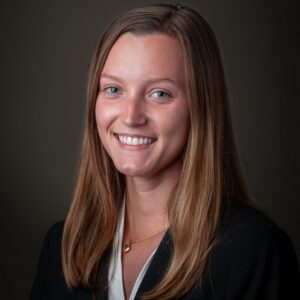
At Florida Rural Legal Services, Lili Rodriguez (Mutter) will provide legal aid and develop disaster resiliency for Floridians impacted by Hurricane Ian. The project will culminate in an informational presentation to the public about common legal issues before, during, and after a natural disaster. Lili is a student at the Ave Maria School of Law.
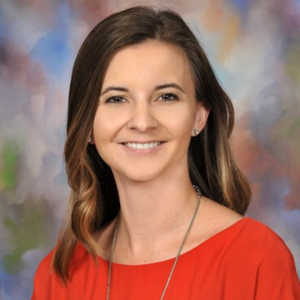
Samantha Barkholz, hosted at Community Legal Services (CLS) of Mid-Florida, will address disaster resiliency issues while assisting to build CLS’s Disaster Unit, which is in its earliest stage of development. Samantha will also expand both public and government awareness of CLS’s available legal services. Samantha is a student at Seattle University School of Law.
Christopher Marenco, a student at Barry University, Dwayne O. Andreas School of Law, will work at LatinoJustice PRLDEF to address climate justice issues facing Latinx communities in Florida and Puerto Rico. Christopher will provide legal services to community residents in various Central Florida counties directly impacted by Hurricane Ian.
At the Houston Volunteer Lawyers Program, Samuel Nam will support immigrant communities facing legal problems due to humanitarian crises by assisting them with their naturalization process. Samuel will also help to remove other barriers to naturalization and disaster resiliency such as tax, probate, and other civil legal needs. Samuel is a student at the University of Houston Law Center.
Maria Ferreira-Spady will work with the Galveston-Houston Immigrant Representation Project to provide high quality legal services to immigrants facing deportation in the Houston area. Recognizing the overwhelming need to increase representation rates and access to due process in the Houston Immigration Courts, Maria plans to combine direct representation with pro se assistance and community outreach to achieve a greater overall impact. Maria is a student at Texas Southern University Thurgood Marshall School of Law.
Visit here for more information about Disaster Resilience Program.
The Disaster Resilience Program is currently funded American Red Cross, Carnegie Corporation of New York, the Center for Disaster Philanthropy and the California Wildfires Recovery, W.K. Kellogg Foundation, and the Danaher Foundation.
Even though the Emancipation Proclamation was made effective in 1863, it could not be implemented in places still under Confederate control. As a result, in the westernmost Confederate state of Texas, enslaved people would not be free until much later. On June 19th, 1865—over two years after the Emancipation Proclamation was issued—Union soldiers landed in Galveston, TX to share the news that the war was over and enslaved people were free. The army announced that the more than 250,000 enslaved black people in the state, were free by executive decree. This day came to be known as “Juneteenth,” by the newly freed people in Texas.
We know the work continues to advance racial justice and we are proud of how our Fellows and alumni are advocating for racial justice across the country. At Equal Justice Works, this day also represents an opportunity to reflect on the work that is being done to further racial justice today. Equal Justice Works Fellows work to advance racial justice both directly and through intersectional issues such as housing justice, disaster resilience, crime victims’ rights, and voting rights.
Fellows including Justin McCarroll, Makiah Lyons, and Zoè Russell are working to improve outcomes for Black, Indigenous, and people of color throughout the country with projects ranging from advocacy for individuals sentenced to life without parole and changing harmful school discipline policies to disrupting the womb-to-foster care pipeline. Learn more about the Equal Justice Works Fellows whose projects aim to advance racial justice here.
As activist and author Opal Lee, the “Grandmother of Juneteenth” has said, “Changing minds can actually be done. It’s not going to happen in a day. You’ve got to work at it.”
Additionally, below is a list of some resources for Juneteenth as curated by the Equal Justice Works community:
- The First Juneteenth: National Museum of African American History and Culture
- History of Juneteenth: Juneteenth.com
- What is Juneteenth?: PBS
- This Juneteenth, Celebrate Freedom Day at an Interior Site: U.S. Department of the InteriorJuneteenth Digital Toolkit: National Museum of African American History and Culture
- Juneteenth Reading List: National Museum of African American History and Culture
- United States Colored Troops Database: The National Park Service
- United States Colored Troops Descendants Facebook Group: African American Civil War Memorial and Museum
- Afrofuturism: A History of Black Futures: National Museum of African American History and Culture
Read how Equal Justice Works continues to advance our vision for racial justice:
- Equal Justice Works CEO Verna Williams authored an article for Inside Philanthropy that calls on all of us to consider how philanthropy can step up to counteract the limits in place on the use of affirmative action to address racial injustice: “Affirmative Action Counteraction Requires Philanthropy to Step Up.” Read the article here.
- Verna also addressed the ongoing struggle for racial justice at the YWCA of Greater Cincinnati’s annual Racial Justice Breakfast. In her remarks, she quoted Justice Jackson’s dissent to the majority opinion in SFFA v Harvard: “The only way out of this morass—for all of us—is to stare at racial disparity unblinkingly, and then do what evidence and experts tell us is required to level the playing field and march forward together, collectively striving to achieve true equality for all Americans.” Read Verna’s remarks here.
Local Juneteenth Celebrations and Events:
Washington, D.C.:
- Juneteenth Community Day Celebration
- Freedom Before Emancipation: Family Day for Juneteenth
- Step Afrika! The Migration: Reflections on Jacob Lawrence
- Nikole Hannah-Jones Discusses The 1619 Project
- Author Talk: The Rise and Fall of The Freedman’s Bank
- Juneteenth Commemoration: The African American Civil War Museum and Memorial
Baltimore, MD: AFRAM Festival
New York, NY: Brooklyn’s 15th Annual Juneteenth Celebration
Detroit, MI: Juneteenth on the Cut
Seattle, WA: Northwest African American Museum Celebrates Juneteenth
New Orleans, LA: NOLA Juneteenth
Atlanta, GA: Juneteenth Atlanta
Los Angeles, CA: Celebrate Juneteenth in Los Angeles
Houston, TX: Juneteenth Family Fun Day at Emancipation Park
Galveston, TX: The Birthplace of Juneteenth: Galveston Celebrates Emancipation through Art, Special Events
To commemorate Pride Month, Equal Justice Works Fellows Matthew Palmquist, Seran Gee, and Henry McDonald shared their LGBTQ+ rights-focused projects. Read more about their work below:
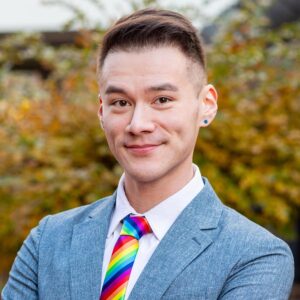
I represent detained LGBTQ+ asylum seekers in bond for release from Immigration and Customs Enforcement (ICE) detention and removal (aka “deportation”) proceedings.
What does an average day working with your clients look like?
I normally drive one and a half hours into the desert to pass through security and either counsel my clients, dressed in prison jumpsuits, in the tiny ICE detention center visitation room or appear with them in the court located within the detention center.
What have you accomplished or learned so far?
I’ve been the solo attorney in an asylum merits hearing eight months after being admitted to the bar. Since starting my Fellowship, I have won freedom (via contentious court bond hearings) or a future in the U.S. (via contentious final asylum hearings) for seven people. I’ve learned how the various agencies that oversee immigration relief and enforcement (such as the Executive Office for Immigration Review, ICE, and U.S. Citizenship and Immigration Services) intersect. Most importantly, I have learned which levers to pull—and when, where, and how to pull them—to get the best outcomes for my clients. I’ve also drastically improved my Spanish language abilities when it comes to explaining complex legal procedures and eating-while-driving skills (putting 30,000+ miles on my Prius).
What are you most excited about continuing your project?
I have been able to win and keep winning freedom and a future in the U.S. for people who have survived and sacrificed so much to be here. I’m hoping to stay on the Florence Project as a staff attorney and specialize in using what I’ve learned during my Fellowship to fight for LGBTQ+ asylum seekers.

I work to improve access to housing for transgender and nonbinary individuals, who experience disproportionately high rates of housing instability due to family rejection, discrimination, and heightened risk of abuse or chronic health conditions. Additionally, while experiencing homelessness, transgender and non-binary individuals struggle to find shelter because of discriminatory policies and attitudes.
What does an average day working with your clients look like?
I normally meet with service providers to plan litigation that will hopefully change discriminatory [housing] policies. I work towards my goals through direct representation, policy advocacy, and provide education to service providers to ensure that they are aware of transgender and non-binary people’s rights.
What have you accomplished or learned so far?
I have learned how to work with a wide range of stakeholders to advance a common goal.
What are you most excited about continuing your project?
I am looking forward to filing a complaint to challenge discriminatory housing practices.
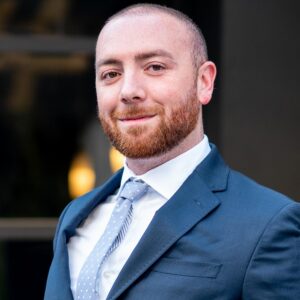
I provide free legal services to young queer and trans people of color in the Boston area. I provide support in various practice areas, but most of my cases relate to housing, public benefits, and name or identity document changes.
What does an average day working with your clients look like?
Like many attorneys, I spend some days in court drafting pleadings, researching legal questions, and corresponding with other lawyers or public agencies. By virtue of the collaborative nature of this Fellowship—where I am co-located with Boston GLASS, an LGBTQ+ youth services program—I get to meet and counsel clients in partnership with trusted service providers like mental health clinicians, HIV/STI testers, vogue instructors, and health navigators.
What have you accomplished or learned so far?
In this position, I have learned so much about myself and the legal issues facing young queer and trans people of color. My cases have offered me immense opportunities to develop “traditional” legal skills such as researching, writing, and negotiating. Perhaps more importantly, this project–thanks to my excellent colleagues–has allowed me to learn how to practice in a way that is truly trauma-informed and client-centered.
What are you most excited about continuing your project?
For me, Pride Month is a time to connect with my community. I’m excited to foster relationships with additional community partners and to expand the reach of what we’ve accomplished so far.
To learn more about Equal Justice Works Fellows and alums supporting the LGBTQ+ community, visit here.
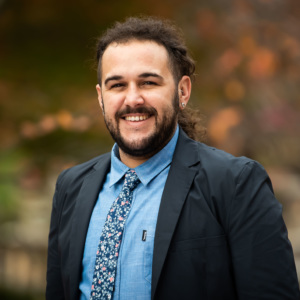
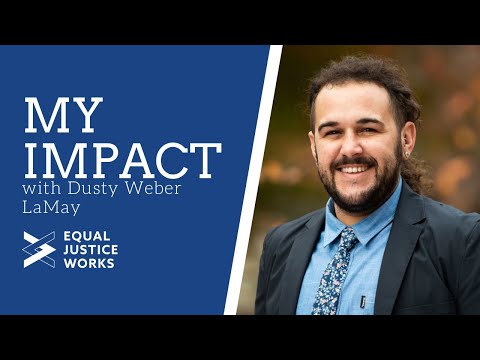
My Impact is a conversation series from Equal Justice Works, using interviews with alumni to shine a light on what’s possible with an Equal Justice Works Fellowship. National Advisory Committee member Nicole Jansma spoke with Dusty Weber LaMay, a 2018 Fellow in the Design-Your-Own Fellowship Program hosted by Lavender Rights Project. Dusty now works at the Northwest Justice Project, funded by the Legal Services Corporation.
Dusty Weber LaMay understands firsthand the legal needs of trans people living in rural areas. Born in Oklahoma and raised on the West Coast, Dusty became acutely aware of the complications that can arise when trans people try to change their information, especially when they move to a different state from where they were born. The process for trans folks to update their records varies from state to state—it can result in a challenging legal process, and in about half of the U.S., it requires a complicated court order.
With his experience in mind, Dusty built his Equal Justice Works project to provide civil legal aid for trans people in rural areas of Washington. He identified the need for legal resources for trans people trying to attain name changes, gender changes for records, and legal aid for medical navigations in rural communities across the state.
“In general, trans people are being underserved for their legal needs across the board, but all of the gender identity clinics, all of these things were focused on urban [hubs with] the most amount of people,” said Dusty.
During the interview, Dusty stressed the importance of connecting with the community to conduct work in a more accessible format. Taking a community-centered approach to work allows Fellows, like Dusty, to raise awareness for the legal issues that clients face and increase their understanding of the specific needs in the communities they serve. This is exactly what the Equal Justice Works Fellowship helped Dusty do: gain hands-on experience making a statewide program that provided legal aid to communities where Dusty identified a need for legal aid.
In order to achieve a wide reach, much of Dusty’s work focused on developing materials, such as informational sheets, guidebooks, sample court forms, local petitions, and other resources for non-lawyer community members to access. This presented its own set of challenges. For example, it was important for Dusty to be mindful that the language included in these materials was accessible to people without the background knowledge that law school provides.
The need for attorneys and legal services in rural areas is immense. By creating shareable materials, Fellows like Dusty—who work broadly with rural communities in different parts of the state—can help more clients navigate the system.
“Equal Justice Works has such a focus on creating community-focused materials and materials that can last beyond the Fellowship,” said Dusty. “I think [the Equal Justice Works Fellowship] gives you a really great opportunity for building skills in these arenas of lawyering—particularly in social justice, public interest work [is] becoming not only more than the norm, but more than requirement for a lot of jobs.”
Dusty’s experience navigating the legal system to update his own records proved how complicated it can be for trans people: they must abide by their birth state’s rules for documentation updates—this often means that they need to travel to their birth state in order to update their driver’s license and birth certificate. If they must obtain a court order to update their documents, that court order must come from the state that they currently live in. An important component of his project was educating the public and Judges on the process. One client who turned to Dusty for help had tried to update their records seven times with a Judge with no success.
“It’s basically the most novel legal argument I’ve ever dealt with to my career at this point,” said Dusty. “A big part of my Fellowship was about how [to] deal with this issue, because that is my life, right? I’m a rural trans person who’s been dealing with this problem.”
To Dusty, this need for education on the record-changing process was so needed due to the changing landscape, for Judges and clients alike. Community outreach was key to creating supportive outreach materials and enhancing judicial education. This, Dusty hopes, will continue to carry on in the communities he served beyond his Fellowship and beyond his career. The emphasis on pro se was one of Dusty’s most important takeaways from his project.
When asked what advice he might have for like-minded professionals looking to launch their careers in public service, Dusty emphasized how helpful his Fellowship was. Equal Justice Works connected him to a national network, and being connected to the organization’s name through his Fellowship helped Dusty to really get his foot in the door in a legal space that he is passionate about. He also suggested for anyone starting out in a Fellowship to enjoy the creative freedoms that often come with building your own Fellowship opportunity, and to try and connect that to something that they are passionate about as much as possible.
“Find your passion, get informed by [the] community, and then get creative,” said Dusty. “No matter what you’re passionate about, people need your help.”
To learn more about Dusty’s work advocating for educational rights, watch the full interview here.
I think [the Equal Justice Works Fellowship] gives you a really great opportunity for building skills in these arenas of lawyering—particularly in social justice, public interest work [is] becoming not only more than the norm, but more than requirement for a lot of jobs.”
Dusty Weber LaMay /
2018 Equal Justice Works Fellow
Equal Justice Works invites eligible organizations based in Arizona, Connecticut, Delaware, Indiana, Kentucky, Louisiana, Maine, Maryland, Massachusetts, Missouri, New Hampshire, New Mexico, North Carolina, Ohio, Pennsylvania, Rhode Island, South Carolina, Tennessee, Vermont, or Washington, D.C., to submit proposals to participate as Host Organizations in the Opioid Crisis Response Program.
The opioid crisis cannot be fully addressed without multidisciplinary interventions, including legal assistance. In addition to providing legal representation for people with opioid use disorder, lawyers can provide a wide range of assistance, including advocating for the rights of people with opioid use disorder to receive evidence-based treatment and recovery services, access stable housing, obtain financial and medical benefits, and keep families safe and together.
The Opioid Crisis Response Program will consist of a cohort of six Fellows (public interest lawyers) who will provide free legal representation to low-income individuals and families affected by the opioid and overdose crisis. They will also begin to build a network of legal expertise to help inform policies that can holistically address issues faced by communities impacted by the crisis.
Fellows will serve for two years beginning no earlier than September 1, 2024, and ending no later than 24 months from the agreed upon start date.
Update as of July 9, 2024: The Opioid Crisis Response Program is no longer accepting host organization applications. Send any questions via email to [email protected].
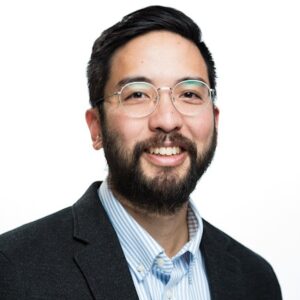
Equal Justice Works recently spoke with staff member Richard Luong, the Director of Institutional Advancement, about his advocacy supporting the Asian American and Native Hawaiian/Pacific Islander (AANHPI) community. Read more about Richard’s involvement below:
What brought you to Equal Justice Works?
I’ve been a long-time admirer of Equal Justice Works, first learning about the organization when I was in law school. I began my career through a public interest Fellowship offered through my law school, where I was able to serve non-profit citizen groups in Pennsylvania and New York adversely effected by natural gas drilling in environmental litigation. I’ve also worked at Rising for Justice, a Washington, D.C.-based non-profit and have seen firsthand the impact that passionate legal advocates can have in a community. Whenever I’ve come across an Equal Justice Works Fellow or alum, I’m reminded of what incredible opportunities Equal Justice Works provides for attorneys to follow their passions, and so often return to the communities they call home to serve the people they know and care about most. I am super honored to play a part in making that all happen.
Can you tell us a little about your work in your community apart from your role at Equal Justice Works?
I serve on the Board of Vietnamese Boat People (VBP), a national non-profit with the mission of preserving the stories of the Vietnamese diaspora. Both of my parents are VBP refugees, and my work is really inspired by their courage and resilience. I lead the work on our Journeys Map, a digital platform that allows people to upload and plot locations of their journeys from Vietnam and gives the younger generation resources and guided instruction to facilitate intergenerational conversations.
I also serve on the National Asian Pacific American Bar Association’s (NAPABA) Civil Rights Committee and recently was accepted into NAPABA’s leadership advancement program. Additionally, I serve as co-chair of the Asian Pacific Islander Middle Eastern (APIM) Advisory Board for my alma mater, the College of William and Mary. Through my work at both NAPABA and William and Mary, I seek to give a voice and address issues faced by those in the AANHPI communities.
Finally, I have a huge passion for music and the arts, and co-founded the Contemporary Arts Network Foundation , with a close friend of mine, Asa Jackson. This organization is focused on helping to build and sustain careers in the arts for Virginians, with a focus on BIPOC communities.
How does Equal Justice Works support your community-based advocacy outside of the workplace?
Equal Justice Works has been incredibly supportive of my community-based advocacy outside of the workplace whether it’s providing flexibility for me to attend Board meetings and events of the organizations I’m involved with, providing me with personal professional development budgets to engage in meaningful learning opportunities, or backing my participation in conferences and convenings. There’s a great deal of synergy between my advocacy and involvement outside of the workplace and the organization’s mission. I’ve appreciated the support of my colleagues at every turn and am inspired by their involvement in their own communities as well.
How did you get involved with legal organizations outside of your position like the National Asian Pacific American Bar Association? What role do they, and similar Associations play, in the legal field?
NAPABA is an amazing resource for the AANHPI community, providing programming for attorneys, judges, and law students across the country. I’ll never forget the first NAPABA convening I went to and the overwhelming feeling of belonging. I am grateful to serve on their Civil Rights Committee, which addresses legislative and policy issues affecting the AANHPI community. I’m also excited to have been selected as a Fellow in their Leadership Advancement Program cohort for this year, which will bring together a group of about 20 attorneys from across the country and Canada to develop our leadership skills and styles.
The role that NAPABA and other similar associations play such as the Hispanic National Bar Association, National Bar Association, National LGBTQ+ Bar Association, etc.is to give voice and representation to their constituents in every facet of the legal profession and build a supportive coalition for those in their community. They focus on increasing the pipeline of justice-minded attorneys, responding to emerging legal challenges, engaging with law school students to inspire a life-long commitment to service, and seek to advance justicefor their community members.
To learn more about Richard’s advocacy, click here.
In observance of National Crime Victims’ Rights Week, Equal Justice Works spoke to three Fellows in the inaugural cohort of the Crime Victims Advocacy Program (CVAP). The 2024 event asks us to consider how we can help crime victims—something that Fellows in our Crime Victims Advocacy Program do every day. 2023 Fellows Holly T. Bird, Eugenia Kim, and Claudia V. Torres Patino shared their work advocating for survivors of crime and what they are learning and looking forward to in their projects. Read their dispatches below.
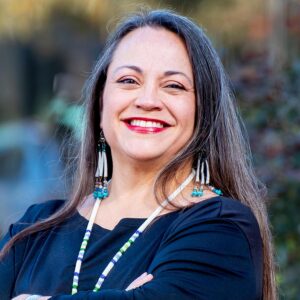
Holly T. Bird, Michigan Indian Legal Services
At Michigan Indian Legal Services, I provide legal assistance through the state Tribal courts for victims of crime, with a focus on providing aid to survivors of domestic violence.
On a day-to-day basis during my Fellowship, I check in with my clients, using trauma-informed language and skills, as to their legal needs as well as social needs. Then I work to resolve their legal issues, which are varied and may include but are not limited to: divorce, custody, personal protection orders, financial abuse, child welfare, property destruction, and human trafficking.
Working as a CVAP attorney has helped me to develop more compassion for my clients. I have found different parts of tribal and, at times, county or state law, to protect or advocate for their rights as victims/survivors. I am also working on a model Tribal Victims Rights Code, which is challenging and interesting as it involves putting together laws to cover 12 different Tribal nations—taking into consideration their own culture, existing laws, and practices.
I am excited by being able to help with each case that I have, knowing that I am providing these services to my community that often go unheard or unacknowledged. This is what continues to drive my work for the future.
Working as a CVAP attorney has helped me to develop more compassion for my clients. I have found different parts of tribal and, at times, county or state law, to protect or advocate for their rights as victims/survivors.
Holly T. Bird /
2023 Fellow in the Crime Victims Advocacy Program

Claudia V. Torres Patino, Greater Boston Legal Services
At Greater Boston Legal Services (GBLS), I represent black, indigenous, and other people of color (BIPOC) low-income and undocumented workers who have fallen victim to various workplace injustices, including wage theft, sexual assault, labor trafficking, and discrimination. The primary aim of my Fellowship is to enhance accessibility to legal services for these populations.
During a day in my Fellowship, I spend most of my time writing legal documents like demand letters, complaints and motions. But beyond that, I often feel like a social worker. I spend a lot of time talking to people, helping them out, and guiding them through the maze of U.S. laws, healthcare, housing, and immigration. I focus on understanding what each person needs and giving them the support they require to sort things out.
As an immigrant, I’m feeling a newfound sense of belonging and community, not just among my fellow attorneys, but also with the people we help. It’s rewarding to see the positive effects of my Fellowship as our team effectively represents more BIPOC and immigrant workers. I’m grateful for my colleagues at GBLS, as well as the support from Equal Justice Works and the National Crime Victim Law Institute (NCVLI) because, through their guidance, I’ve learned the importance of listening without judgment and meeting our clients wherever they may be in their journey.
Looking forward, I strongly believe that we need to advocate for better interpretation and accessibility services in labor agencies. I’m currently learning how to advocate for these improvements and am eager to continue this work. I’m becoming more aware of how immigration and employment law intersect, emphasizing the importance of immigration relief for individuals seeking to enforce their rights in the workplace. I’m thrilled to continue leveraging new legal developments, such as labor-based deferred action, to empower more individuals to speak up and report unscrupulous employers.
Looking forward, I strongly believe that we need to advocate for better interpretation and accessibility services in labor agencies. I'm currently learning how to advocate for these improvements and am eager to continue this work.
Claudia V. Torres Patino /
2023 Fellow in the Crime Victims Advocacy Program
Eugenia Kim, Legal Aid Foundation of Los Angeles (LAFLA)
At the Legal Aid Foundation of Los Angeles, I provide trauma-informed, victim-centered, and language access-focused legal assistance to underserved Asian and Pacific Islander (API) communities.
I typically work with clients on a daily basis by communicating, checking in, or meeting with them in person depending on what works best for them. It’s important for me to keep in mind any individualized needs or sensitive situations, such as language access, disabilities, or domestic violence. Working with a client can look different depending on our goal: we might want to continue our progress on their case by getting answers to our questions or taking their story or declaration; we may also want to get more information about a new issue that a client has identified that we may also be able to help with.
Through my project, I have learned that when a client is a survivor of crime, they oftentimes must confront multiple issues that arose due to their victimization. Many times, the issues that my clients face can end up affecting different aspects of their lives—including their family, immigration status, employment, housing, and their physical and mental health. I have realized how unexpectedly these issues can arise, and how crime survivors benefit from any continued assistance that we provide in order to avoid being further victimized.
Moving forward, I would like to continue learning more about victim’s advocacy and how to best help clients navigate the criminal justice system. I would also like to learn more about how to effectively assist clients who are survivors of crime, especially those with language needs, in their communications with law enforcement, prosecution, and other entities.
Through my project, I have learned that when a client is a survivor of crime, they oftentimes must confront multiple issues that arose due to their victimization. Many times, the issues that my clients face can end up affecting different aspects of their lives—including their family, immigration status, employment, housing, and their physical and mental health.
Eugenia Kim /
2023 Fellow in the Crime Victims Advocacy Program
To learn more about Fellows in our Crime Victims Advocacy Program, click here.
This program is supported by an award under 15POVC-22-GK-01116-NONF, awarded by the Office for Victims of Crime, Office of Justice Programs, U.S. Department of Justice. The opinions, findings, and conclusions or recommendations expressed in this document are those of the contributors and do not necessarily represent the official position or policies of the U.S. Department of Justice.
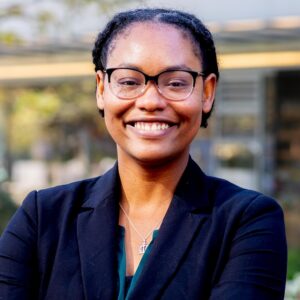
By Holly Webster a 2022 Fellow in the Housing Justice Program. Holly is hosted by South Carolina Legal Services.
As we recognize National Fair Housing Month, we celebrate the enactment of the Fair Housing Act of 1968 and the protections extended to those seeking to rent or procure housing. As of today, the Act prohibits discrimination in housing based on race, color, sex, national origin, religion, familial status, and disability.
There are many ways to illustrate fair housing issues. In one case, a landlord might be dishonest about the availability of an apartment based on one or more of the forementioned reasons. In another case, an advertisement might state who will be denied the opportunity to purchase a house based on one or more of the forementioned reasons. Although these are common examples of fair housing discrimination, the umbrella of fair housing also covers reasonable accommodations for tenants with disabilities.
A reasonable accommodation is an agreed-upon change to a policy, procedure, or service that allows someone with a disability equal use and enjoyment of their dwelling unit and common areas, as well as an equal opportunity to meet program requirements. There are a variety of reasons someone might need reasonable accommodation. For example, a tenant may want to have a service animal live with them on the property, but live in a pet-free community. A tenant might also need to move to another unit, either because they cannot access any unit above the first floor (i.e., they are wheelchair bound in a building with no elevator) or because they need a unit with certain accommodations not found in all units (i.e., shower rails). These are just a drop in the bucket when it comes to reasonable accommodations for tenants with disabilities
Another example might be where a tenant with a disability is unable to work relies on monthly disability payments to survive. In this case, if the disability payments are being made in the middle of the month, the tenant may struggle or be unable to pay rent until the middle of the month. In this case, a reasonable accommodation request could be for the landlord to adjust the monthly deadline for the tenant. The tenant would still be required to make monthly payments to the landlord, but they would not be subjected to late fees before their adjusted deadline.
These are just a drop in the bucket when it comes to reasonable accommodations for tenants with disabilities.
Holly Webster /
2022 Fellow in the Housing Justice Program
When requesting a reasonable accommodation in writing, it is important to heavily consider the word “reasonable,” as one may encounter push back if the landlord disagrees on whether the proposed accommodation is, in fact, reasonable. When I made a reasonable accommodation request for one of my clients, it was important to explain how the accommodation was “reasonable” and how it was directly related to my client’s disability, as I knew how important this information would be in further discussions.
There are many potential obstacles that may arise when requesting a reasonable accommodation. For example, money may become an issue in discussions regarding proposed accommodations because a landlord is not required to grant a proposed accommodation that would result in an undue financial burden. Therefore, a proposed reasonable accommodation request may result in back-and-forth communications with the landlord, which is fine, so long as the goal on both ends is to eliminate barriers to use and enjoyment for tenants with disabilities.
When I made a reasonable accommodation request for one of my clients, it was important to explain how the accommodation was “reasonable” and how it was directly related to my client's disability, as I knew how important this information would be in further discussions.
Holly Webster /
2022 Fellow in the Housing Justice Program
I recently represented a client who was facing eviction for nonpayment of rent. Further investigation revealed that my client Annie* was disabled and unable to work. Annie relied on monthly payments from the Department of Veterans Affairs and Social Security Disability, receiving no additional income for survival. Annie received a check every third of the month and paid rent every month but could only afford to pay rent with a money order via standard mail. As a result, the landlord charged my client a late fee every month the money order arrived after the fifth of the month. This left my client vulnerable to owing additional fees. As the hearing in this eviction action was fast approaching, I submitted a reasonable accommodation request to the landlord on behalf of my client, requesting that the landlord refrain from charging my client a late fee if the money orders for rent were postmarked for before the fifth of the month. When I followed this written request up with a phone call, I was not only able to memorialize confirmation of this reasonable accommodation in writing, but I also secured a settlement agreement for my client regarding the pending eviction action.
*For privacy purposes, the client’s name has been changed.
To learn more about Equal Justice Works Fellows in the Housing Justice Program, click here. To learn more about Holly’s project, click here.