Observing Juneteenth 2023
Observing Juneteenth 2023
The following is a list of resources for Juneteenth. Equal Justice Works is not a direct affiliate of any of these resources, unless otherwise noted.
Juneteenth Resources:
Learn more about the history of Juneteenth.
- Learn About and Celebrate Juneteenth, from PBS.org.
- Juneteenth Digital Toolkit, from the National Museum of African American History and Culture in Washington, D.C.
Equal Justice Works Community:
Hear from Equal Justice Works Fellows, our Board, and other community members.
- Helping People Reclaim Their Narrative, By Darby Aono, February 2022: 2022 Fellow Darby Aono shares her work advocating with and empowering elders in prison by challenging illegal parole denials and creating comprehensive resources for pro se litigants.
- Bringing Justice to Communities in Need, January 2023: 2022 Fellows Norell Hemphill and Marianela Funes share their work pursuing water affordability and housing policy changes, which both bring us closer to Dr. King’s vision of a “Beloved Community”.
- Combatting Exclusionary Disciplinary Policies Towards Students, By Ameil Kenkare, September 2022:2021 Fellow Ameil Kenkare shares his work advocating with Black and Brown families who have been disproportionately impacted by excessive discipline practices in schools.
- To Fellow Young Black Lawyers Seeking Justice, by Clarence Okoh, June 2020:2020 Fellow Clarence Okoh addresses fellow young Black lawyers and shares a comprehensive racial justice syllabus.
- In the Spotlight: Equal Justice Works Board Member Michael J. Harding Discusses How Law Schools Can Better Support Black and Brown Students, July 2022: Michael J. Harding, a recent graduate of Villanova University School of Law and a member of both the Equal Justice Works Board of Directors and the National Advisory Committee, chatted with Equal Justice Works about serving on his campus and in the community, and how these experiences have helped to set the foundation for his legal career.
- Only Five Percent of Lawyers are Black. This Attorney Wants to Change That, By Sydney Page, The Washington Post, June 2023: Matthew Graham, a graduate of the University of Baltimore School of Law, scored in the 94th percentile on the bar exam. The Washington Post spoke with Matthew and Equal Justice Works CEO Verna Williams about the importance of sharing stories like Matthew’s.
- Why schools need to abandon facial recognition, not double down on it,by Clarence Okoh and John S. Cusick, August 3, 2021: 2020 Fellow Clarence Okoh and 2017 Fellow John S. Cusick write about the drawbacks of facial recognition, with a focus on the detrimental harm it causes to students of color.
- A Plea to Build Something Better, by Tracie Johnson, July 2020:2018 Fellow Tracie Johnson writes about the need to disrupt the cycles of generational poverty and violence that stem from over-policing.
- My Impact: A Conversation with 2018 Equal Justice Works Fellow Jean-Luc Adrien, August 2020: As a part of the My Impact series at Equal Justice Works, we spoke with Jean-Luc Adrien, a 2018 Fellow in the Disaster Recovery Legal Corps, about his work aiding Black, Latino, and immigrant communities in the wake of disasters.
Events:
- History Alive! USCT: Juneteenth: What it Means and Why We Celebrate, from the National Museum of African American History and Culture in Washington, D.C.
- Juneteenth Community Day, from the National Museum of African American History and Culture in Washington, D.C.
Racial Justice Resources & Organizations:
- The Law Firm Antiracism Alliance: a coalition of nearly 300 law firms formed to “facilitate opportunities for action in pursuit of racial justice in the law and racial equity in our country,” created in June 2020.
- An Interview with Brenna DeVaney on the Law Firm Antiracism Alliance: a discussion on the Law Firm Antiracism Alliance with Brenna DeVaney, director of pro bono programs at Skadden, Arps, Meagher & Flom LLP.
- Lawyers for Good Government, on Racial Justice: Lawyers for Racial Justice is an initiative to “mobilize critical pro bono legal services in the fight for racial justice” by promoting long-term reform and the creation of remote pro bono clinics.
- Law for Black Lives: a “national community of radical lawyers and legal workers committed to transforming the law and building the power of organizing to defend, protect, and advance Black Liberation across the globe.”
- Law Deans Antiracist Clearinghouse Project: the Association of American Law Schools created a collective space for Law School Deans to share resources on antiracism and engage their institutions with “teaching, scholarship, service, activism, programming, and initiatives on strategies to eradicate racism”.
- White Supremacy Culture: a resource from Dismantling Racism Works that lists characteristics of white supremacy culture with the aim to “point out how organizations which unconsciously use these characteristics as their norms and standards make it difficult, if not impossible, to open the door to other cultural norms and standards”.
Each year, Equal Justice Works partners with the Legal Services Corporation (LSC) for the Rural Summer Legal Corps (RSLC), a program that addresses the pressing legal issues facing rural communities. Program participants, called Student Fellows, spend eight to ten weeks during the summer serving at LSC-funded civil legal aid organizations where they help to provide direct legal services, engage in community outreach and education, and build capacity at host organizations.
This year, 45 Student Fellows from 38 law schools were selected from 320 applications to work remotely at 41 LSC-funded civil legal aid organizations across the United States and its territories, providing critical legal assistance to people in rural areas.
Meet our 2023 RSLC Student Fellows and learn about how they will be helping to address some of the biggest challenges facing rural communities:

Maxwell (Max) Adams, Drake University Law School
At Iowa Legal Aid, Max will provide direct civil legal assistance and outreach to rural clients on a broad range of important issues such as domestic abuse, family law, housing law, consumer matters, expungement, and elder law.

Dorothee Adams, (she/her/hers) University of Tennessee College of Law
Dorothee, hosted by Legal Services Alabama, will assist rural residents in the Wiregrass Region of Alabama as they combat medical debt. Her work will emphasize the medical debt that results in wage garnishments from a local community hospital. She will create a Medical Debt Toolkit to improve access to information and lead community education sessions on consumer rights and medical debt.
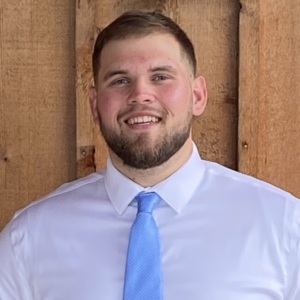
Ethan Barnes, (he/him/his) University of Mississippi School of Law
Hosted at North Mississippi Rural Legal Services, Ethan will join the Mississippi Taxpayer Assistance Project. There, he will work directly alongside the director of the Low-Income Taxpayer Clinic (LITC), the only IRS-funded LITC in Mississippi. He will provide direct civil representation in matters involving IRS disputes and assist in organizing and implementing educational outreach programs.
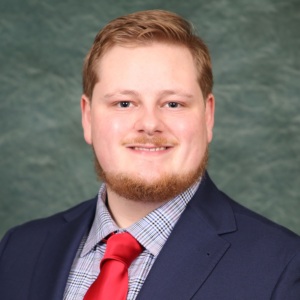
Wyatt Beaver, (he/him/his) Tulane University Law School
Wyatt will assist with the provision of legal services, with a focus on Family Law, Probate & Title Clearing, and Barrier Removal, at Legal Aid of NorthWest Texas (LAWNT). His work will allow LAWNT to expand their legal services and outreach and education to the rural communities in their service area.
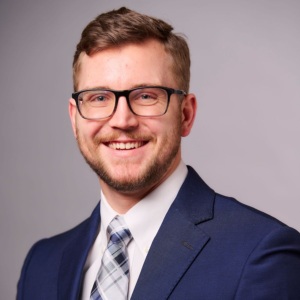
Chad Berryman, (he/him/his) University of Minnesota Law School
At Colorado Legal Services (CLS), Chad will join the Migrant Farm Worker Division during the growing season to assist in meeting the frequently unmet legal needs of farm workers. Chad will work on individual cases, conduct outreach, and collaborate with key partners to inform Colorado farm workers of their legal rights and the significant protections available under a new state law.

Dillon Biggs, (he/him/his) Lincoln Memorial University Duncan School of Law
Dillon will work with Legal Aid of West Virginia’s (LAWV) Rural Veterans Project to assist in serving rural veterans via direct civil legal services, targeted outreach, and legal education for community partners and the veteran community. By targeting resources to rural veteran potential clients, he will enable LAWV to better connect with veterans in rural communities.

Mary Branton-Housley, (she/her/hers) Mitchell Hamline University School of Law
Hosted at Center for Arkansas Legal Services, Mary will join Beyond Opioids, a project targeting families impacted by the opioid crisis. She will work with treatment clinics to access people diagnosed with opioid use disorder (OUD), screen their civil legal needs for a successful recovery and re-entry, and work with advocates at Beyond Opioids to deliver ground-breaking OUD-specific direct legal services.
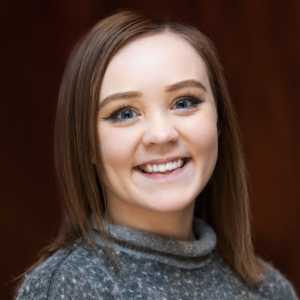
Sarah (Brynn) Cahal, (she/her/hers) University of Cincinnati College of Law
Brynn will work with Legal Aid Society of Greater Cincinnati’s Homeowner & Consumer Team which provides representation to low-income homeowners who are at risk of losing their home to foreclosure. She will assist homeowners who need help applying for financial assistance and whom Legal Aid is representing in court as well as engage in community outreach and education, providing rural homeowners with customized resources.

Tristan Campbell, (he/they/theirs) University of California, Irvine School of Law
At California Rural Legal Assistance, Tristan will work with their LGBTQ+ Program on legal issues facing rural transgender, gender-non-conforming, and youth communities. He will advocate alongside clients while supporting individual casework, systemic advocacy, and community outreach.

Maria Catalano, (she/her/hers) University of Utah S.J. Quinney College of Law
Maria, hosted at DNA-Peoples Legal Services, will provide outreach, community legal education, and a full spectrum of legal assistance to the residents in the Navajo and Hopi communities. She will work on legal issues that commonly impact Navajo and Hopi clients, including issues in family law, consumer law, housing, and education.

Tatum Cooper, (she/her/hers) University of Arkansas School of Law
At Legal Aid of Arkansas, Tatum will join Beyond Opioids, a project targeting families impacted by the opioid crisis. She will work with treatment clinics to access people diagnosed with opioid use disorder (OUD), screen their civil legal needs for a successful recovery and re-entry, and work with Beyond Opioids’ advocates in delivering ground-breaking OUD-specific direct legal services.

Alán Díaz-Santana, (he/him/his) Tulane University Law School
Alán will work with Texas RioGrande Legal Aid’s (TRLA) Community Development team to provide education and legal assistance to community groups to combat systemic inequities in housing, infrastructure, environmental conditions, and health. He will draft legal briefs and pleadings, develop outreach materials, engage with community members, and assist TRLA attorneys in their work in state and federal litigation.

Owen Dombert, (he/him/his) Penn State Dickinson Law
Hosted at North Penn Legal Services, Owen will provide outreach, community education, and representation in rural counties. He will expand outreach to elderly populations to assist with future care planning outreach and clinics and consumer fraud information, as well as help expand opportunities to target families with children living in poverty.

Emiliee Encizo, Texas Southern University Thurgood Marshall School of Law
Emiliee will assist Lone Star Legal Aid (LSLA) with providing free legal services to the low-income population of rural Texas counties. There will be an emphasis on having the student assist with LSLA’s housing rights projects that include defending against evictions and foreclosures; advocating for safe, clean, and stable housing; and ensuring tenants rights are honored by landlords

Jana Goolsby, Belmont University College of Law
Jana will be joining the Rural Reentry Outreach & Legal Clinics Project at Legal Aid Society of Middle Tennessee and the Cumberlands, supporting legal work to assist low-income rural individuals facing societal barriers due to prior criminal records. Jana will help with expungement, obstacles involving occupational licenses, reinstating a revoked driver’s license, and other common barriers people with a criminal record face when securing a job, housing, and a meaningful second chance.

Emma Guida, (she/her/hers) Tulane University Law School
At Montana Legal Services Association, Emma will support the Montana Eviction Intervention Project within the Housing Law Practice Group. She will conduct intake interviews, provide supervised legal advice to tenants facing eviction, and help route clients for full representation, mediation, and other wrap-around services.

Jayden Johnson, Liberty University School of Law
Jayden will assist with an unlawful detainer expungement project at Blue Ridge Legal Services, which will improve access to stable housing for low-income tenants. Jayden will draft and file petitions to expunge unlawful detainers from clients’ housing records, conduct outreach and spread awareness about the project, and create a pro se “DIY” expungement kit.

Selma Lara, Texas Southern University Thurgood Marshall School of Law
Selma, hosted at Lone Star Legal Aid, will help low-income renters and their families prevent homelessness and gain housing stability via eviction defense and addressing other landlord-tenant matters that jeopardize housing stability. Selma will help with community outreach and education, provide legal advice and counsel, and assist in full representation of clients.
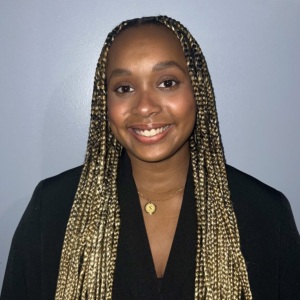
Sophia Larsen, St. Thomas University College of Law
At Legal Services of Greater Miami, Sophia will support legal work in Monroe County, Florida, primarily in family law, housing, homelessness prevention and assistance, disability claims, and potential disaster recovery issues. Sophia will assist with client interviews, community and client outreach, and legal research and drafting motions and discovery requests related to affirmative litigation.

Bruce Leal, (he/him/his) American University Washington College of Law
Bruce will join the Indigenous Peoples Unit (IPU) at Pine Tree Legal Assistance to collaborate with and address the legal issues of the Wabanaki People. He will work with the IPU on outreach and education to tribal communities; tribal, state, and federal agencies to retain housing and benefits for tribal members; and case work representing Indigenous Peoples in Tribal Court and State Court proceedings.

Tonya Lippert, (she/her/hers) Lewis & Clark Law School
Hosted at Central Virginia Legal Aid Society, Tonya will join the Virginia Farmworker Program to help address tax fraud issues affecting the farmworker community in Virginia. She will assist in investigating potential tax fraud claims, create a task force to provide direct legal help to the farm workers affected, and participate in community education and statewide outreach.

Isabel MacCay, Gonzaga University School of Law
At Alaska Legal Services Corporation (ALSC), Isabel will serve the Nome community of Alaska’s Bering Straits Region by assisting ALSC with client interviews, developing cases, performing research and writing, and empowering communities by increasing knowledge of the legal system and local resources. Isabel will also work on the Community Justice Worker Project, an online resource that trains non-attorney community advocates to assist clients.
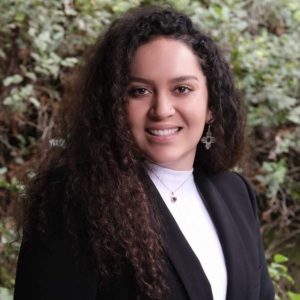
Carlie Marquez, Lewis & Clark Law School
Carlie, hosted at Legal Aid Services of Oregon, will help agricultural workers in rural counties of Oregon establish safer workplaces. Carlie will gather information about workers’ experiences accessing training and other health and safety protections, conduct intakes of impacted workers, and assist in direct legal work and education to help workers protect their rights to safe and healthy workplaces.

Alexandria Miller, Michigan State University College of Law
Alexandria will focus on establishing a monthly family law clinic at Legal Services of Northern Michigan for self-represented litigants in Marquette, Michigan and a framework that can be replicated in other communities. Through this work, Alexandria will support and advocate for victims of domestic violence and survivors of sexual abuse.

Sunny Miller, Western Michigan University Thomas M. Cooley Law School
At Michigan Indian Legal Services, Inc. this summer, Sunny will work on child welfare matters in the tribal court systems and, if any are pending, appellate ICWA and MIFPA cases. In addition, the Fellow will assist with other family law related client intakes, especially when there are tribal law and jurisdictional questions involved.
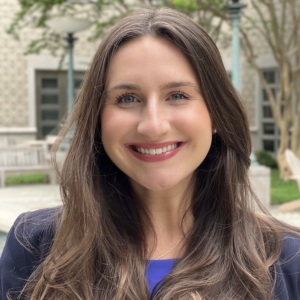
McKenzie Mixon, Catholic University of America Columbus School of Law
McKenzie will work with Legal Aid of North Carolina on the newly established Legal Aid of North Carolina Innovation Lab, which is focused on using technology to expand access to justice in North Carolina, and to identify and build technology solutions that will create greater access to legal representation and legal information.

Frida Murga, (she/her/hers) University of Cincinnati College of Law
Frida will work with Texas RioGrande Legal Aid’s Community Development team to provide education and legal assistance to community groups to combat systemic inequities in housing, infrastructure, environmental conditions, and health. She will work to empower low-income neighborhood groups to create safe, healthy, and thriving communities.

Daniel Nerenhausen, (he/him/his) University of Wisconsin Law School
Daniel will work with the American Indian Land Probate Project at Oklahoma Indian Legal Services to gain experience in Indian Land Titles and the state and federal probate and title laws which apply to members of the Five Tribes of Oklahoma and will also spend time coordinating outreach clinics at tribal community center.

Myron Oates, University of Missouri School of Law
This summer, Myron will help Legal Services of Eastern Missouri as they expand their outreach efforts and increase capacity at their organization, mainly through service to domestic violence victims who live in rural Missouri.

Reilly O’Connor, (she/her/hers) Baylor Law School
Reilly’s Fellowship at Wisconsin Judicare, Inc. will focus on assisting clients independently through on-reservation estate planning clinic appointments. She will help consolidate and update training materials to transition to online training resources for estate planning clinics going forward.

Katherine Packer, (she/her/hers) City University of New York School of Law
Katherine will work with Legal Assistance of Western New York, Inc. to provide assistance to low-income clients in reducing barriers to employment throughout 13 rural counties. She will help expand employment-related legal services provided to rural clients who are under-or-unemployed due to having a criminal record.

Carleigh Patton, (she/her/hers) Wake Forest University School of Law
In her Fellowship at Legal Services of North Florida, Inc., Carleigh will work with Legal Services of North Florida’s lead Immigration Attorney to increase trust and access to legal help within our service area. Her work will include education and outreach, legal clinics to help with naturalization or other legal adjustments allowed under the law, and direct client assistance under the supervision of experienced attorneys.

Tikehe Peoples, Ohio Northern University Pettit College of Law
Hosted at West Tennessee Legal Services, Inc. this summer, Tikehe will provide education, outreach, and direct legal assistance to low-income and vulnerable West Tennesseans reentering society after being incarcerated. In addition to developing resources, expanding clinics, and educating partner nonprofits, Tikehe also will provide direct services to clients at the clinics.

Caela Provost, Suffolk University Law School
This summer, Caela will work directly with advocates and attorneys at Community Legal Aid (CLA) to provide legal aid to low-income and elderly residents in the most rural section of the central Massachusetts county where Caela is serving.

Benjamin Rhind, (he/him/his) New York University School of Law
This summer, Benjamin will be based within the Farmworker Law Project at Legal Aid Society of Mid-New York. There, he will gain experience with the types of cases that come from agricultural workers across New York, including trafficking, wage theft, workplace health and safety, discrimination, and civil rights. His work will have an emphasis on wage theft associated with employer misclassification of workers doing non-agricultural work.
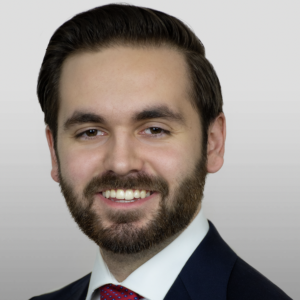
Alex Roth, Penn State Dickinson Law
This summer at Ohio State Legal Services, Alex will work with attorneys on a Low-Income Taxpayer Clinic to improve and expand education resources for self-employed workers and small businesses owners. Alex will collaborate with community groups to conduct trainings and to create resources and written materials for low-income taxpayers.
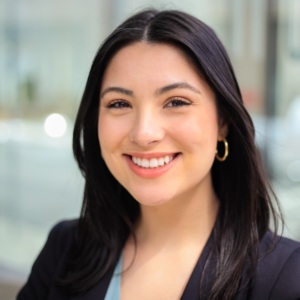
Hannah Rushton, Northeastern University School of Law
At Neighborhood Legal Services of Los Angeles County, Hannah will assist in the development and implementation of regular pro per clinics and community presentations to help families protect the rights of students. The community education and support aspect of Hannah’s work will also support and contribute to systemic education policy and litigation work the host site’s Education Team is currently engaged in throughout the region.
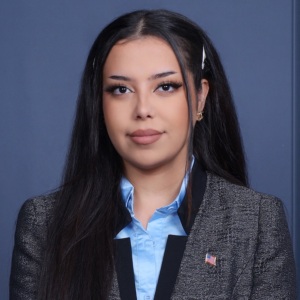
Stephanie Sadoon, University of South Dakota School of Law
At East River Legal Services, Stephanie will spend her Fellowship assisting low-income South Dakotans by improving current pro se form instructions and creating additional easy-to-read guide materials in consumer law, a practice area that does not currently have any pro se forms in South Dakota. She will also assist in developing, editing, and curating informational materials on the South Dakota statewide help page.
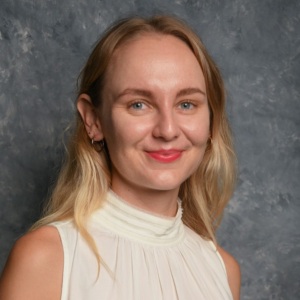
Paige Schaefer, (she/her/hers) University of Wisconsin Law School
While at Legal Action of Wisconsin, Paige will join the Farmworker Project to bridge the access to justice gap that farmworkers face by conducting know-your-rights community education and outreach to rural farmworker communities and by providing direct services on legal issues that agricultural workers identify.
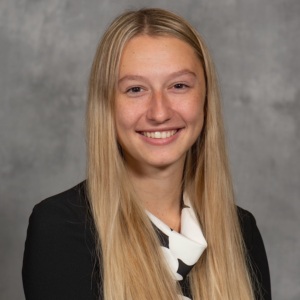
Haley Spiewak, (she/her/hers) Southern Illinois University School of Law
Haley will work at Land of Lincoln Legal Aid as a Fellow this summer, where she will perform outreach, community education, and provide legal assistance to a growing population of domestic violence survivors who face isolation and economic instability due to the remoteness of rural Illinois. She will work to secure clients’ immediate safety from their abusers by seeking emergency and plenary orders of protection.

Carrie Stambaugh, (she/her/hers) Northern Kentucky University Salmon P. Chase College of Law
In her Fellowship at Appalachian Research and Defense Fund of Kentucky (AppalReD), Carrie will help to confront the humanitarian crisis involving the former clients of a private attorney who are facing reviews and the possible loss of their Social Security Disability and SSI benefits. Carrie will assist AppalReD Legal Aid attorneys in handling these cases at the ALJ and appeal levels.

Madelyn Storms, (she/her/hers) State University of New York at Buffalo School of Law
This summer, at Pine Tree Legal Assistance, Madelyn will provide legal services to low-income clients and help complete a community needs assessment to potentially expand the successful rural clinic model to other regions. Her direct services work will focus on housing, public benefits, family law, and victims’ rights.

Dionicia Vilsaint, (she/her/hers) Albany Law School
At Legal Aid Society of Northeastern New York this summer, Dionicia will work in landlord/tenant and family law proceedings involving domestic violence. She will work alongside experience attorneys on various types of cases such as eviction, divorce, custody, child support and family offenses for low-income residents.

Christina Waskom, (she/her/hers) Loyola University New Orleans College of Law
Ana will work as a Student Fellow at Southeast Louisiana Legal Services Corporation on projects focused on increasing awareness of the availability of civil legal aid in the community, help strengthen existing partnerships, and develop new collaborations.
Ayale Williams, North Carolina Central University School of Law
Ayale will join the Legal Aid of North Carolina Innovation Lab to work with her host site and other collaborators on projects increasing access to justice in rural communities using technology tools, and work with the host site to determine how technology can be used to bridge the access to justice gap.
Visit here for more information about the Rural Summer Legal Corps.
Equal Justice Works and the National Institute of Trial Advocacy (NITA) are launching an annual virtual trial advocacy training program in June 2023 for Equal Justice Works Fellows. This multi-day online training program offers a unique, hands-on learning experience that will allow Fellows to practice their advocacy skills in a peer environment with national experts.
NITA and Equal Justice Works have proudly partnered for over 10 years to provide EJW Fellows with NITA’s unique brand of skills-based trainings to enhance their practice both inside and outside the courtroom. The June 2023 program marks the start of an annual virtual training program created by NITA for Equal Justice Works Fellows.
Instructed by a team of volunteer NITA instructors—including expert litigators and judges—participants are challenged to try new approaches and push themselves to improve and refine how they advocate for clients. Practice skills learned throughout this program can be applied immediately as Fellows continue their advocacy for increased access to justice for clients across the United States.
The training curriculum includes guided practice in direct and cross examinations, opening and closing arguments, and handling exhibits based on a hypothetical public service-focused case file. Alongside the immersive aspects of the training, Fellows will also learn new tips from NITA through a lecture series. At the end of these training sessions, participants will apply their newly learned skills in a full bench trial. This multi day training will occur over three dates: June 6, June 13, and conclude on June 16, 2023. Fellows will receive CLE credit for their full participation in this program.
“We are grateful for this longstanding partnership with NITA, and excited to launch an annual virtual training to complement other training opportunities. Time and again, Fellows walk away from NITA trainings sharing that they feel greater confidence in their skills and are invigorated by the learning experience,” said Kristen Uhler-McKeown, Vice President of Fellowships at Equal Justice Works.
Marcia Levy, the Program Director at NITA, stated, “Equal Justice Works Fellows are smart, passionate, and driven to represent the most underrepresented clients. It is incredibly rewarding for our dedicated team of volunteer NITA faculty to mentor Fellows to develop their skills toolbox. We are grateful to support their impactful work.”
“Equal Justice Works Fellows are smart, passionate, and driven to represent the most underrepresented clients. It is incredibly rewarding for our dedicated team of volunteer NITA faculty to mentor Fellows to develop their skills toolbox. We are grateful to support their impactful work.”
Marcia Levy /
Program Director at the National Institute of Trial Advocacy
Equal Justice Works offers Fellows learning opportunities throughout the course of their Fellowships to enhance their ability to advocate for clients including the Annual Leadership Development Training, and virtual convenings throughout the year.
Equal Justice works and NITA have historically collaborated to provide training opportunities to Fellows in conjunction with the annual Leadership Development Training. This year’s training program marks the start of an annual and formal training program created by NITA and hosted for Equal Justice Works Fellows.
##
About Equal Justice Works
Equal Justice Works is a 501(c)(3) nonprofit organization that creates opportunities for lawyers to transform their passion for equal justice into a lifelong commitment to public service. As the nation’s largest facilitator of opportunities in public interest law, Equal Justice Works brings together an extensive network of law students, lawyers, advocates, legal services organizations, and supporters to build a community committed to fulfilling our nation’s promise of equal justice for all.
About the National Institute for Trial Advocacy (NITA)
NITA is a non-profit that for 50 years, has provided “learn by doing” programs, which provide a safe and supportive environment for lawyers to learn and hone new skills and fundamentally change the way they advocate for their clients. A key part of NITA’s mission is to serve the lawyers who serve underrepresented communities by providing this training at no cost. NITA faculty, experienced trial lawyers and trial advocacy trainers, are passionate about working with public interest lawyers who are working in a variety of substantive areas including child advocacy, domestic violence, immigration, legal services, tribal justice, and more. NITA – It’s Advocacy Enhanced. And Mentorship Reimagined. Welcome to the Community.
Media Contacts
Sarah Lackritz
Vice President of Marketing and Communications
[email protected]
2021 Fellow Joey Carrillo spoke with Equal Justice Works about his work, which provides identity-affirming legal services, outreach, and education for low-income LGBTQ+ survivors of domestic violence. Joey is sponsored by Discover Financial Services and Greenberg Traurig, LLP.
While most domestic violence services are designed to serve cisgender women in heterosexual relationships, research suggests that the LGBTQ+ community experiences domestic violence at a higher rate.
At Legal Aid Chicago, Joey worked with the LGBT Anti-Violence and Safety Project (LASP) to provide civil legal services to LGBTQ+ survivors of domestic violence, sexual assault, harassment, and stalking.
Last year, Joey sat down with Equal Justice Works to discuss his work, LASP, and the need for more legal advocates who understand the LGBTQ+ community. You can watch our discussion in the video below:

“Domestic Violence in relationships goes back to this differentiation of power,” said Joey Carrillo. “Someone’s identity as LGBTQ is another one of those factors that can breed relationship imbalance. Especially if you are somebody who is closeted about your gender identity or about your sexual orientation.”
Joey identified the need for a training program which would equip lawyers with the skills and knowledge they need to be culturally responsive advocates for LGBTQ+ clients. He aims to help lawyers create a safe space where LGBTQ+ clients can trust their advocate to understand their experiences and their identity.
Click here for a full list of Equal Justice Works Fellows who are advocating for LGBTQ+ rights across the country.
By Zuhra Aziz, 2022 Equal Justice Works Fellow in the Design-Your-Own Fellowship Program. Zuhra is hosted by the Georgia Asylum and Immigration Network.
The fall of Afghanistan in 2021 was devastating for many people within the Afghan diaspora, including myself. The Taliban takeover meant a bleak future for most Afghans, especially women, children, minorities, human rights activists, and NATO allies. The de facto government’s values resulted in the reversal of basic rights to education, to travel, to practice faith freely, and to live without fear of harm. As a result, many Afghans fled the country to avoid persecution by the Taliban.
By the end of 2021, over 2.6 million Afghans were displaced after U.S. forces evacuated from Afghanistan. The Biden administration air lifted over 80,000 Afghans, who were then admitted to the U.S. on humanitarian parole status, which allowed evacuees to remain and work in the U.S. for two years and offered them access to government benefits.
Many Afghan evacuees were in legal limbo when they first arrived in the U.S., and many remain so. Without a long-term form of immigration status, they have no way to achieve permanent safety and stability. For most evacuees, seeking asylum is the best chance of remaining safely in the States. A successful asylum application requires applicants to prove they were persecuted in Afghanistan because of their race, religion, nationality, membership in a particular social group, or political opinion . Although many Afghan evacuees have strong asylum claims, limited access to pro bono legal services, limited language access, and a lack of knowledge about the U.S. immigration system are all barriers to their safety.
Many Afghan evacuees were in legal limbo when they first arrived in the U.S., and many remain so. Without a long-term form of immigration status, they have no way to achieve permanent safety and stability.
Zuhra Aziz /
2022 Equal Justice Works Fellow
Some of the biggest challenges we have seen are faced by Afghans who entered the States through the U.S.-Mexico border. Although they face the same danger in Afghanistan as evacuees, they were not lucky enough to take one of the early evacuation flights. Desperate for safety, they traveled to South America and journeyed to the U.S. border to seek asylum. Some entered the U.S. without documentation and must now fight deportation in immigration court. Unlike evacuees, most Afghans who entered through the border are unable to access government benefits and services due to their manner of entry. They must navigate a complex legal system with no supportive resources, despite their escape from the same circumstances as Afghan evacuees.
With my host organization Georgia Asylum and Immigration Network (GAIN), I have provided Afghan newcomers with legal services and connected them to social services for their non-legal needs. Through twelve monthly pro se legal clinics, we have assisted 415 Afghans with filing critical applications for asylum, Temporary Protected Status, and work permits. I have also taken on several affirmative and defensive asylum cases. I recently had one asylum victory for Asadi* , a former Afghan National Army soldier. He wanted a brighter future for the youth of Afghanistan, including his own children. Asadi joined the Afghan National Army because he “cared deeply for [his] country and [he] wanted to help fight to save Afghanistan’s future.” For three years, he served alongside the U.S. Army before the Taliban took over the country. During the takeover, he fought with his comrades to defend their home province. When hope faded and the Taliban gained ground, he supported U.S. evacuation efforts until he was evacuated from the country along with his wife and children.
Shortly after arriving in the U.S., Asadi lost his wife and unborn child in a terrible accident. He was alone in a new country with his remaining children and a looming parole expiration ahead. Losing his parole status would mean returning to Afghanistan, where he feared he would be murdered due to his previous work. To help Asadi seek protection in the U.S., GAIN assisted him with his asylum application. After months of anxiety and anticipation, Asadi was finally granted asylum. He can now remain in this country and secure a brighter future for himself and his children.
After months of anxiety and anticipation, Asadi was finally granted asylum. He can now remain in this country and secure a brighter future for himself and his children.
Zuhra Aziz /
2022 Equal Justice Works Fellow
Through my Fellowship, I have helped strengthen GAIN’s partnership with immigrant-serving agencies like the International Rescue Committee (IRC) Atlanta and Refugee Women’s Network (RWN) to better serve Afghan clients. We view the client as a person, not a case. We understand the varying needs that arise, including rental assistance, employment matching, food assistance, and mental health services. When a client expresses a need outside of GAIN’s legal services, we refer them to a network of trusted partner organizations for support. We are proud to have dependable partners that are as eager to serve the immigrant community as we are.
GAIN’s mission is to protect and empower immigrant survivors of crime and persecution. We approach our legal service work from a collaborative, client-centered, and trauma-informed lens. It may take years for new immigrants to reach a point where their legal uncertainties and resettlement process have concluded. An important indicator of success is the progress our clients make toward achieving safety and stability—even before the final resolution of their immigration cases. Each work authorization granted means that a parent can support their family. Each TPS approval means that a citizen of a country in turmoil can remain in the U.S. without fear of deportation. Each referral to non-legal services means a client’s needs are holistically met, which allows them to build a full, rich life in the United States. Achieving permanent immigration status in the U.S. is a journey, not a trip, for many of our Afghan clients. We are happy to serve as guides along the way.
*The name of the client has been changed to protect privacy.
To learn more about Zuhra’s Equal Justice Works Fellowship, visit her profile here.
76 public interest lawyers will spend the next two years advancing access to justice for underserved and underresourced communities across the United States.
The 2023 class of Fellows received sponsorship from 70 law firms, corporations, private foundations, and individual donors.
WASHINGTON, D.C., May 10, 2023—Equal Justice Works, the nation’s largest facilitator of opportunities in public interest law, today named its 2023 class of Equal Justice Works Fellows. Each of the 76 law school graduates, in collaboration with a legal services organization, has designed a two-year Equal Justice Works Fellowship project to address the unmet legal needs of the community they will serve.
“It is a joy and privilege to welcome these passionate public service leaders who share our vision of equal access to justice for all,” said Verna Williams, Equal Justice Works CEO. “With access to legal aid out of reach for too many and longstanding legal protections continuing to remain in jeopardy, the work of these talented new lawyers—destined to make an impact in countless communities and our justice system—is more important than ever.”
Each year, Equal Justice Works selects a class of public interest lawyers who have designed unique projects in partnership with legal services organizations. These projects are funded by law firms, corporations, foundations, and individual supporters.
Selected from 318 applications, the 2023 class of Equal Justice Works Fellows includes graduates from 41 law schools who will work at 70 legal services organizations across 23 states and Washington, D.C. Among this year’s 70 sponsors are 25 leading law firms recognized in the Am Law 200 and 21 Fortune 500 corporations. One sponsor this year is longtime supporter Ropes & Gray, a law firm that has sponsored five Equal Justice Works Fellows and committed to sponsoring five more Fellows between now and 2033 through its Ropes Impact Fellowship fund.
“Ropes & Gray is proud of our longstanding relationship with Equal Justice Works and our support of its Fellows. We are especially proud this year to kick off the first ‘Ropes Impact Fellowship’,” said Chris Conniff, pro bono co-chair and partner at Ropes & Gray. “Equal Justice Works provides a platform for young lawyers to make significant changes in our communities and I look forward to watching [2023 Fellow] Alexis Picard’s proposal come to life and help so many young people in need. This focus complements Ropes & Gray’s mission to ‘practice with purpose’— a commitment to making a positive difference for our clients, our communities, and our own people.”
The 2023 class of Fellows will take on projects that address a range of access-to-justice issues. Some of these projects include:
- Nketiah Berko (he/him) will provide legal advocacy and representation to Black residents in the Washington, D.C. metropolitan area at risk of losing family homes because of unclear or encumbered titles with his host organization, National Consumer Law Center. Nketiah, a graduate of Yale Law School, is sponsored by The Rossotti Foundation.
- Talia Kamran will be hosted by Brooklyn Defender Services, pursuing a project that will provide representation to Brooklyn residents whose technology has been seized by the New York City Police Department (NYPD), challenge NYPD’s practice of mining data from technology in custody, and develop policy to regulate the forfeiture process. Talia, a graduate of the University of California at Los Angeles School of Law, is sponsored by Venture Justice Fund.
- Samantha Pfaff-Goldstein (she/her), a graduate of Arizona State University Sandra Day O’Connor College of Law, will be hosted at Florence Immigrant and Refugee Rights Project in Arizona, where she will protect immigrant youth caught in the child-welfare and juvenile delinquency systems in Arizona from the deportation pipeline. Samantha’s Fellowship is cosponsored by Greenberg Traurig, LLP and Western Union. Samantha is one of the 201 Fellows since 1999 sponsored by Greenberg Traurig.
- Alexis Picard (she/her) will be hosted by the Roger Baldwin Foundation of ACLU of Illinois, where she will use litigation, policy advocacy, and media campaigns to challenge unconstitutional conditions affecting youth in county-run juvenile detention facilities in rural Illinois. Alexis, a graduate of Harvard Law School, is sponsored by Ropes & Gray LLP.
- Gabriella Sayger (she/her), will help to support people in recovery from opioid use disorder in rural central West Virginia through direct advocacy and outreach to create referral partnerships with local clinics and Family Treatment and Adult Drug Court programs with her host organization, Legal Aid of West Virginia. Gabriella, a graduate of Appalachian School of Law, is cosponsored by Kirkland & Ellis LLP and GE Healthcare.
- Megan Toomer (she/her), a graduate of Emory University School of Law will be hosted at Southern Center for Human Rights, where she will provide parole advocacy for low-income incarcerated people before the Alabama Board of Pardons and Paroles to ensure that parole-eligible people have representation to relay their testimonies. Megan’s Fellowship is cosponsored by King & Spalding LLP and The Clorox Company Foundation.
Over the past three decades, Equal Justice Works has awarded more than 2,300 postgraduate fellowships to public service leaders committed to ensuring equal access to justice for underserved communities.
Equal Justice Works Fellowship programs are designed to effect change in communities and throughout our country by mobilizing Fellows to work on key issue areas such as disaster resilience; safe, fair, and affordable housing; and crime victims’ rights, as well as by expanding the ability of legal services organizations to design and implement unique projects responding to emerging needs. On average, 85% of Equal Justice Works Fellows remain in public service positions, continuing to help fulfill our nation’s promise of equal justice for all.
Click here for a full list of the 2023 Equal Justice Works Fellows, host organizations, and sponsors.
###
About Equal Justice Works
Equal Justice Works is a 501(c)(3) nonprofit organization that creates opportunities for lawyers to transform their passion for equal justice into a lifelong commitment to public service. As the nation’s largest facilitator of opportunities in public interest law, Equal Justice Works brings together an extensive network of law students, lawyers, nonprofit legal aid organizations, and supporters to promote public service and inspire a lifelong commitment to equal justice.
Contact
Sarah Lackritz
Vice President of Marketing and Communications
[email protected]
By Touri Goode, program specialist at Equal Justice Works
 Elder abuse is a prevailing issue that often goes underreported in the United States. In fact, studies show that 1 out of every 10 people age 60 and older will experience some form of abuse—financial fraud and exploitation, physical, sexual, and/or psychological abuse.
Challenges such as social isolation, poverty, limited transportation, physical health and cognitive decline make older adults especially susceptible to victimization. Unfortunately, many older adults do not seek help because they fear blame or negative outcomes involving their family members. In many cases, victims are unaware of their rights and potential legal remedies.
Across the country, countless communities face a shortage of public interest lawyers who have the skills and training to provide holistic representation to older victims of abuse. That’s why in 2020, Equal Justice Works launched the Elder Justice Program, mobilizing 22 Fellows (lawyers) to improve the national response to elder abuse, neglect, and exploitation. Through the program, Fellows served at legal services organizations where they helped to increase access to justice for victims of elder abuse by enforcing victims’ rights and providing holistic legal representation.
During the two-year Fellowship, program participants made significant strides toward addressing the gap in specialized legal services for older victims of abuse. Elder Justice Program Fellows provided direct legal services to 2,058 individuals on issues ranging from financial exploitation, domestic violence, protection orders, public benefits, guardianship, and more. Here are some Fellow highlights:
- 2021 Fellow Karen Kammholz at the Legal Assistance of Western New York, represented a man whose granddaughter unlawfully took possession of his retirement property. After two years of litigation, Karen was able to obtain a settlement which included the man’s granddaughter being ordered to pay a lump sum of $155,000 and make the mortgage payments for the property.
- Cortney Sweat, a 2020 Fellow at Indiana Legal Services, Inc, helped to promote the launch of the Indiana Legal Risk Detector (ILRD), a resource that continues to be used at her host organization. As part of the launch, Cortney led a training for local service providers on how to use the detector and explained how it could aid service providers in getting their clients access to legal services. Due to the success of the training, ILSI received offers from Working Interdisciplinary Networks of Guardianship Stakeholders and the Indiana State Bar Association Women in Law Conference organizers to present the ILRD at upcoming events.
- Andrew Lakin, a 2020 Fellow at Legal Aid of the Bluegrass assisted a client who was a victim of financial exploitation. His client was sending money to a charity for months until they eventually realized they were being scammed. Although, his client lost large amounts of money due to the fake charity scam, Andrew was able to stop future payments from leaving his client’s bank account, reported the fraud to the FBI, and helped protect the client from further exploitation.
 Fellows in the program also conducted 763 outreach activities; trained 7,805 attorneys and allied professionals on a variety of topics including advanced planning, protection orders, and cultural competency; and participated in 533 multidisciplinary teams or coalition activities. With many of the Fellows serving clients in rural communities, Fellows had to rely on creative workarounds and innovative approaches to conducting outreach. For example, 2020 Fellow Amy Perry at Equip for Equality used a portable projector to deliver presentations at senior centers, which proved to be very helpful for those who couldn’t travel.
In addition to direct legal representation and outreach activities, Fellows helped to build capacity within their organizations and communities. Fellows implemented 23 planned improvement initiatives, including data collection plans, refining intake processes, and training community-based organizations. Many of the Fellows have stayed on at their host organizations, continuing to address the civil legal needs of older crime victims.
Equal Justice Works is building on its successful history of mobilizing passionate public service leaders who can address crime victims’ rights. This year, we launched the Crime Victims Advocacy Program, which will increase access to legal aid to survivors of crime, especially in underserved black, Indigenous and people of color (BIPOC) communities.
To learn more about the Elder Justice Program visit here.
This program is supported by an award from the U.S. Department of Justice, Office of Justice Programs, Office for Victims of Crime, Award Number 2019-V3-GX-K033. The opinions, findings, conclusions or recommendations expressed are those of the author(s) and do not necessarily represent the official position or policies of the U.S. Department of Justice or Equal Justice Works.

By Brandon Ballard, a 2022 Equal Justice Works Fellow who serves in the Housing Justice Program. Brandon is hosted by Legal Aid Society of Eastern Virginia.
This April, we celebrate the anniversary of the Federal Fair Housing Act of 1968. The Fair Housing Act, as amended, protects everyone from discrimination when they’re renting or buying homes, procuring a mortgage, or participating in other housing-related activities. Simply put, discrimination in housing on the basis of race, color, national origin, religion, sex, familial status, and disability is prohibited.
This month is a time to recognize how far as a nation we’ve come. Yet equally as important is taking stock of how we can continue to improve upon the radical—but obtainable—promises underlying the Fair Housing Act.
Much ink will undoubtedly be spilt this month on the countless ways we as a society can, and should, do better. I wish to draw attention to one phenomenon that I, as a legal aid attorney, have witnessed on several occasions in the general district courts of Virginia: the underenforcement of disabled tenants’ rights, especially those with mental disabilities.
Consider the story of one tenant who I represented.[1] My client resided at a federally subsidized property, that is, although the property was privately managed, it received assistance from the federal government to provide affordable housing to low-income residents. The property owner sought to evict my client because it was undisputed she tore out the moldings, drywall, and fascia boards in her kitchen. My client, it turns out, was diagnosed with dissociative identity disorder, amongst other disorders, which upon further investigation contributed to the incident that caused the property destruction.
With the help of her psychologist and social worker, I mounted a fair housing defense to the eviction and requested a reasonable accommodation. Under the Fair Housing Act, making a reasonable accommodation to rules, policies, practices, or services is necessary where doing so would afford a person with a disability an equal opportunity to use and enjoy their home.
In my client’s case, the request for an accommodation was twofold: First, we asked the owner to give her a second chance. Second, we asked for permission to enter a reasonable payment plan. These accommodations, we argued, were reasonable in part because my client had gone without incident for months after a medication change. The owner refused to accommodate our client. Ultimately, at trial we convinced the court that a reasonable accommodation was appropriate.
Three lessons and observations can be derived from my client’s story. First, before filing for eviction, the owner never meaningfully considered whether the client’s conduct was traceable to her disabilities, even though they knew of her disabilities. That itself is problematic under the Fair Housing Act, but it happens more often than not.
All too often, I am dismayed to see affordable housing providers’ first knee-jerk reaction be eviction.
Brandon Ballard /
2022 Housing Justice Program Fellow
Second, in theory, public and subsidized housing providers exist to house not just low-income people, but also those who are, frankly, difficult to house. All too often, I am dismayed to see affordable housing providers’ first knee-jerk reaction be eviction.[2] In those moments, their supposed commitment to providing affordable housing to our most marginalized and vulnerable populations is nowhere to be found.
Third, while this client was fortunate, most of my similarly situated clients are not so fortunate for a variety of reasons. Many judges in general district court, despite regularly presiding over eviction cases, lack a basic understanding of fair housing law.[3] For example, one common misconception is that an owner could not have discriminated against someone on the basis of disability, if the owner treated that person the same as everyone else. But as previously discussed, the Fair Housing Act requires differential treatment where a reasonable accommodation is necessary.
It is beyond dispute that tenants with representation, on average, fare far better than those without representation.
Brandon Ballard /
2022 Housing Justice Program Fellow
General district court judges, to be fair, are generalists and can’t be expected to be well-versed in every area of law. For that reason, they rely on the adversarial system, where both sides present well-reasoned arguments through their attorneys. But that observation reveals yet another hurdle for tenants who may be entitled to a reasonable accommodation: most tenants in Virginia go through the eviction process without an attorney. It is beyond dispute that tenants with representation, on average, fare far better than those without representation.
Another reason that tenants with disabilities don’t fare well in general district courts is the expedited nature of the eviction process. This fact is common throughout the country and has caused many advocates and scholars to lament the substantial underenforcement of poor tenants’ rights in evictions generally.
Moving forward, let’s all commit to seriously thinking of how we can ensure the Fair Housing Act is not a dead letter in Virginia’s eviction process.
Footnotes:
-
This story is retold with my client’s permission, and aspects of the account are modified or omitted to protect her identity.
-
To be clear, private owners generally have the same fair housing obligations as public and subsidized housing providers.
-
It is revealing that the District Court Judges’ Benchbook, which judges across Virginia regularly refer to, contains no reference to, or discussion of, the Fair Housing Act.
The Housing Justice Program is creating a pipeline of passionate public service leaders who are advancing the ideals of fair housing. Visit here to read more stories about the work of our Fellows and how they are advocating for policies and practices that protect the rights of all tenants.
The Housing Justice Program is made possible thanks to the generosity of The JPB Foundation, JPMorgan Chase & Co., Abell Foundation, Maryland Legal Services Corporation, and Sisters of Charity Foundation of South Carolina.

By Emily Blackshire and Sloan Wilson, 2022 Equal Justice Works Fellows who serve in the Housing Justice Program. Emily and Sloan are hosted by South Carolina Appleseed Legal Justice Center.
In every crevice of her home, there were cockroaches. There were leaks in the walls, holes in the ceiling, and sewage in the bathtub. She was still paying $750 each month in rent alone, and with an outdated and faulty electrical system, she was also paying upwards of $1500 a month in combined rent and utilities.
Like many other renters, Ms. R’s housing options were limited because, in her words, she had “no other choice.” She had an eviction filed against her a decade earlier, and despite the charge being dismissed by the landlord prior to her court date, it was still appearing on tenant record checks performed by prospective landlords. In spite of steady employment for years and a clean rental record, she also had a low credit score that would bar her from rental properties with credit checks in the application. She had a partner with a minor criminal history, removing the option of using his better credit or eviction-less record to secure an apartment. And she was a Black woman in South Carolina.
Fair Housing is a term that emerged in the 1950s and 1960s as a part of the “open housing” movement that sought to open exclusionary white neighborhoods to residents of color and ultimately resulted in the codification of the Fair Housing Act in 1968. When we talk about Fair Housing, historically we have referred to de facto segregation as a means of excluding residents based on their race, color, religion, gender, disability, or family status. But often, the reason we see low-income people of color excluded from housing is more nuanced than explicit bigotry in their landlord’s tenant selection. Across South Carolina, we hear reports of tenants unable to secure a place to live simply because an eviction was filed against them at some point, regardless of whether a writ of ejectment is formally signed finalizing their eviction.
While conversations about Fair Housing aren’t historically tied to credit scores, eviction records, or criminal records, these experiences…are explicit barriers to housing that is safe, fair, and affordable.
South Carolina Appleseed is a legal justice center that focuses on policy and advocacy work for low-income South Carolinians. While we don’t directly represent clients in court; we work with communities directly to ensure that we can advocate for what legislative changes would benefit our neighbors. Time and time again, the communities we work with report barriers to housing that are tethered to their status in protected classes, but indirectly. And while conversations about Fair Housing aren’t historically tied to credit scores, eviction records, or criminal records, these experiences, disproportionately reflective of class and race, are explicit barriers to housing that is safe, fair, and affordable.
To even the playing field for our neighbors, we need to advocate for policies that allow for eviction record sealing and expungements of past evictions.
In our conversations about increasing Fair Housing, we encourage discourse about the underlying barriers to housing, too. In order to even the playing field for our neighbors, we need to advocate for policies that allow for eviction record sealing and expungements of past evictions. We must advocate for the right to counsel in eviction proceedings and eviction diversion programs that prevent these marks on tenant records in the first place. We must advocate for units with reasonable accommodations for tenants with disabilities and hold landlords who fail to meet the needs of disabled residents accountable. We must stay vigilant about potential Fair Housing violations, including discrimination through criminal arrest data and credit scores alike. And overall, we must take care of our neighbors and community members who all deserve safe, stable, affordable, and quality housing.
Our Equal Justice Works fellowships have allowed us to collaborate with tenants across the Midlands directly and regularly. From sharing about how the eviction filed against them kept them from safe, stable housing, to how an attorney at their court date could have kept them in their home, the tenants we get to work with guide each decision we make and each policy we ultimately choose to pursue. EJW has granted us the chance to both plug in with these tenants and to be a part of a multi-state network of like-minded attorneys and organizers working toward similar goals. Through these collaborations, both with tenants in our area and with other EJW fellows, we are equipped with invaluable context to hopefully, eventually shape housing policy across South Carolina.
The Housing Justice Program is creating a pipeline of passionate public service leaders who are advancing the ideals of fair housing. Visit here to read more stories about the work of our Fellows and how they are advocating for policies and practices that protect the rights of all tenants.
The Housing Justice Program is made possible thanks to the generosity of The JPB Foundation, JPMorgan Chase & Co., Abell Foundation, Maryland Legal Services Corporation, and Sisters of Charity Foundation of South Carolina.

By Heather Abraham, Associate Professor of Law and Director of the Civil Rights & Transparency Clinic at the University at Buffalo School of Law, 2016 Equal Justice Works Fellow, and member of the Equal Justice Works Alumni Advisory Council
*Note: This post discusses the importance of the proposed Affirmatively Furthering Fair Housing rule, for which public comment is due by Monday, April 24, 2023.
In April, we celebrate National Fair Housing Month. This year marks the 55th anniversary of the Fair Housing Act of 1968, a landmark federal civil rights law that prohibits housing discrimination. It also requires the federal government and its grantees to take steps to reduce housing segregation, a mandate that has gone largely unenforced since its inception.
My Fellowship exposed me to the human toll of unsafe, unaffordable housing and the alarming effects of housing discrimination.
Heather Abraham /
2016 Equal Justice Works Fellow
As an Equal Justice Works Fellow, I focused on housing as the foundation for wellbeing in nearly all other areas of life—from physical and mental health to financial stability. I defended clients facing eviction, built up-stream supportive programs to reduce eviction like an “Eviction Diversion Program,” and collaboratively designed a problem-solving “Community Outreach Court,” for people indebted to the court system over low-level offenses correlated with homelessness. These early-career experiences were invaluable. My Fellowship did more than make me a more confident advocate. It humanized otherwise abstract concepts like “housing insecurity” and the “housing shortage” and taught me how to humanize them for others. Ultimately, the best thing my Fellowship did for my public interest career was expose me to the human toll of unsafe, unaffordable housing and the alarming effects of housing discrimination.
During my Fellowship I learned that the federal government has a legal obligation to reduce housing segregation. Yet, this duty is not being enforced.
Heather Abraham /
2016 Equal Justice Works Fellow
During my Fellowship, I came to understand the unfulfilled promises of the Fair Housing Act. Most notably, I learned that the federal government—and cities and states receiving federal funding—has a legal obligation to reduce housing segregation. Yet, this duty is not being enforced. For decades, the federal government largely abandoned any effort to reduce segregation, as detailed by Pulitzer Prize journalist Nikole Hannah-Jones in Living Apart: How the Government Betrayed a Landmark Civil Rights Law.
After my Fellowship, I became a clinical law professor. I’ve pursued fair housing law as my primary practice area and housing segregation as the focus of my academic research. At the Georgetown University Law Center’s Civil Rights Clinic, I worked with student attorneys to file impact litigation designed to enforce the Fair Housing Act’s anti-discrimination principles. Together, we learned about the history behind the Fair Housing Act (as summarized by the U.S. Department of Housing and Urban Development):
For much of the late 19th and early 20th century, government at all levels throughout the United States, along with private developers, and mortgage lending institutions, played an active role in creating segregated living patterns and inequalities of opportunity. The federal government used the power of the military to remove Native Americans from their homelands, restricted federally insured mortgages on the basis of race and used “slum clearance” and “urban renewal” programs to demolish neighborhoods for infrastructure projects that largely benefitted white Americans at a significant cost to and perpetuated the segregation of Black communities, Indigenous communities, and other communities of color. Private housing developers also used racially restrictive covenants that perpetuated segregation and restricted access to homeownership and other housing opportunities for communities of color, among many other forms of discrimination….
In 1967, following the “Long, Hot Summer of 1967,” which consisted of over 150 race-related riots, President Lyndon B. Johnson established the National Advisory Commission on Civil Disorders, also known as the Kerner Commission. The Commission was tasked with investigating the causes of the riots that occurred in cities like Los Angeles, Detroit, Chicago, Newark, Milwaukee, and New York City. The final report of the Commission, issued in 1968, pointed to a lack of economic opportunity, failed government programs, police brutality, and racism, among other causes. The Commission’s Report is famously known for its declaration that “Our nation is moving toward two societies, one black, one white—separate and unequal.”
In 1968, when Congress enacted the Fair Housing Act, one of the Act’s co-sponsors, Senator Walter F. Mondale, explained that “the purpose that the proposed law was designed to replace the ghettos by ‘truly integrated and balanced living patterns.’” Congress intended that HUD do more than simply not discriminate itself and intended for HUD to use its grant programs to assist in ending discrimination and segregation, to the point where the supply of genuinely open housing increases. As such, since 1968, the federal government recognized its role in creating segregated living patterns that continue to have negative impacts on health, education, and the economy and its responsibility to undo the effects of policies, practices, and procedures that result in a lack of equity.
I also began to dive deeper into the concept of “Affirmatively Furthering Fair Housing,” a tongue-twister that refers to the government’s duty to reduce racial housing segregation. The phrase originates from the original Fair Housing Act of 1968 (42 U.S.C. § 3608). After decades of federal inaction, in 2015, the U.S. Department of Housing and Urban Development issued the first-ever regulation on the government’s duty to reduce housing segregation. But it was short-lived. In 2020, the Trump Administration rewrote the rule. Three years later, the Biden Administration has proposed a new rule that would require the federal governments, states, municipalities, and public housing authorities to take meaningful steps to tackle housing segregation. This helpful HUD factsheet summarizes the proposal. To redress continued segregation and disinvestment from communities of color, the proposed rule would require government entities to submit “Equity Plans,” to HUD every five years. Equity Plans are fair housing planning documents informed by community input that analyze existing segregation patterns and identify goals and strategies toward reducing segregation. In essence, Equity Plans are commitment statements by cities and states to the federal government about their strategies to end racial segregation in their backyards.
The proposed AFFH Rule is perhaps the most promising tool our country will have to reduce segregation. As I recently wrote in the Journal of Affordable Housing and Community Development Law, HUD’s theory of change is to make fair housing and housing desegregation a central element of all local planning for any federal funding recipient, with the long-term goal of undoing the historic patterns of segregation formed by decades of public and private policies like redlining and disinvestment in communities of color.
My clinic students and I are currently working with a coalition of fair housing advocates to submit public comments to HUD about the importance of this vital rule.
You can read the full proposal here and submit a comment by Monday, April 24, 2023 here.
Visit here for more information about Heather’s Equal Justice Works Fellowship.